

A key fob that suddenly stops working is more than an inconvenience—it can disrupt your entire day, especially in Honolulu where many people rely on their cars for work, school, or getting to and from the beach. Whether you discover the problem in a crowded Waikiki parking structure or outside your home, the good news is that most key fob problems come down to a handful of common issues. Many of them are easy to diagnose, and some can even be fixed without professional help.
Below are the seven most common reasons your key fob may not be working, along with practical fixes and tips. After that, we’ll cover what to do if your key fob gets wet—a frequent issue in Hawaii—and how to prevent future key fob failures altogether. If you still need help after this article, call a fast and reliable Honolulu Locksmith like Double Quick to meet you anywhere on the island.
7 Reasons Your Key Fob Stopped Working:
-
The Battery Is Dead
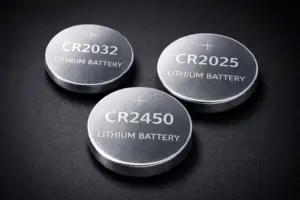
The most common cause of key fob problems is a dead or weak battery. Most key fob batteries last around one to two years, but Hawaii’s warm climate can shorten that lifespan. If your key fob works only when you’re close to the car or works intermittently, the battery is probably running low. Replacing it is usually simple—most fobs use a coin-style battery such as a CR2032 or CR2025. If a fresh battery doesn’t help, the issue may be internal.
-
The Buttons Are Worn Out
Over time, the buttons on a key fob can become soft, loose, or unresponsive. This often happens when the internal contact points wear down. You might notice that you have to press harder than usual or push a button multiple times to get a response. In some cases, the housing may crack, letting in moisture or debris. If the outer shell is excessively worn, replacing the entire fob is usually the best option.
-
The Key Fob Lost Its Programming
 Your key fob communicates with your vehicle through a programmed signal. If that programming becomes corrupted—often due to low battery, an electrical glitch, or just random interference—the car may stop recognizing it. Reprogramming requires specialized tools, but a locksmith can handle the process quickly. This is usually faster and cheaper than going through a dealership, and mobile locksmiths can perform the service wherever your car is located. Even with new and electric cars such as a Genesis, call us today!
-
There Is Signal Interference
In certain areas, electronic interference can block your key fob’s signal. Large metal structures, WiFi networks, and other nearby electronics can all create interference. If your fob won’t work in a particular spot but works fine elsewhere, the environment may be the issue. Stepping a few feet away or approaching your vehicle from a different angle can help you test whether interference is the cause.
-
The Fob Has Been Damaged
Hawaii’s environment is tough on electronics. With Honolulu being the most humid city in the United States it has a lot of salty air, humidity, heavy rain, and high temperatures inside parked cars. These conditions can all wear down the internal circuits of a key fob. Drops are another common cause of damage—one good fall can shake loose a component or crack the circuit board. If the fob has had a rough life or has been exposed to moisture, internal damage may be preventing it from functioning correctly.
-
The Car Battery Is Dead
Sometimes the key fob is fine, but the vehicle isn’t responding because the car battery is drained. A dead or weak battery can prevent the car from detecting the fob signal. If your vehicle won’t unlock or start using the fob, try using the mechanical key hidden inside the fob shell. If the car won’t start even with the key, the vehicle battery may be the culprit. A jump-start should confirm the issue.
-
The Vehicle’s Receiver Is Faulty
Your vehicle has an internal receiver that “listens” for your key fob. If this component fails, the car won’t recognize any fob signals—even if the fob is working perfectly. This issue is less common but can occur in older vehicles or cars with electrical issues. A locksmith can test your key fob to rule out fob-related problems before you take your vehicle to a mechanic or dealership for electrical diagnostics.
What to Do If Your Key Fob Gets Wet
Water-related damage is extremely common in Honolulu. Between beach days, rain showers, boating, and the occasional accidental dip in the ocean, key fobs frequently come into contact with moisture. If your fob gets wet, acting quickly can make a big difference.
The first step is to remove the battery as fast as possible. When moisture sits inside a powered device, the electrical current can short out sensitive parts. After removing the battery, gently dry the outside of the fob with a towel. If the fob came into contact with saltwater—which is highly corrosive—you can briefly rinse the inside with clean, fresh water to remove the salt. Then, open the fob if possible and let every component air dry for at least a full day. Avoid using heat sources like hair dryers, as excessive heat can warp the plastic or damage the circuitry.
Once everything is completely dry, insert a new battery and test it. If the fob still doesn’t respond, corrosion or internal damage may have already set in. A locksmith can test whether the fob is still sending a signal and determine whether it can be salvaged or needs replacement.
How to Prevent Future Key Fob Problems
While key fobs naturally wear out over time, many common failures can be avoided with a little care. Keeping the fob dry is one of the most important steps. If you plan to spend a day at the beach, swimming, or paddleboarding, consider keeping your fob in a waterproof pouch or dry bag. Even sweat and humidity can affect the electronics after long exposure, so extra protection is always helpful.
Avoid leaving your key fob inside a parked car in direct sun. Interior temperatures in vehicles can climb quickly, which weakens batteries and accelerates the breakdown of internal electronics. Replacing your key fob battery once a year—before it becomes weak—can also prevent sudden failures. It’s a simple, inexpensive step that often prevents programming loss and intermittent issues.
A protective case can also help prolong the lifespan of your fob by protecting it from drops, scratches, and moisture. And finally, consider owning a spare key fob. Replacing a lost or completely dead fob is usually more expensive than duplicating a working one, and having a backup ensures you’re never stranded.
When to Call a Honolulu Locksmith
If you’ve already changed the battery and your key fob still is not working, it is probably time to call a professional. A mobile Honolulu Locksmith can test the fob, diagnose the issue, handle programming, and help with key fob replacement right where your vehicle is located.
That is often quicker and more affordable than going through the dealership, especially if you are stuck somewhere and need help fast.