
Keys Locked in Your Car? Do This First before panic
Locking your keys in your car can ruin your day in an instant. One moment you’re in a rush, and the next, you’re staring through the window at your keys on the seat, in the cup holder, or worse, in the ignition.
The good news is that not every lockout situation is as bad as it seems. Many vehicles, especially newer ones, may even prevent you from locking the keys inside under certain conditions. In other cases, there are safer ways to regain access without breaking glass, damaging the lock, or turning a simple mistake into an expensive repair. This is one of the most important takeaways from our discussion.
This guide will walk you through what to do first, what to avoid, and how to prevent getting locked out in the future.
Stay calm and check the situation first
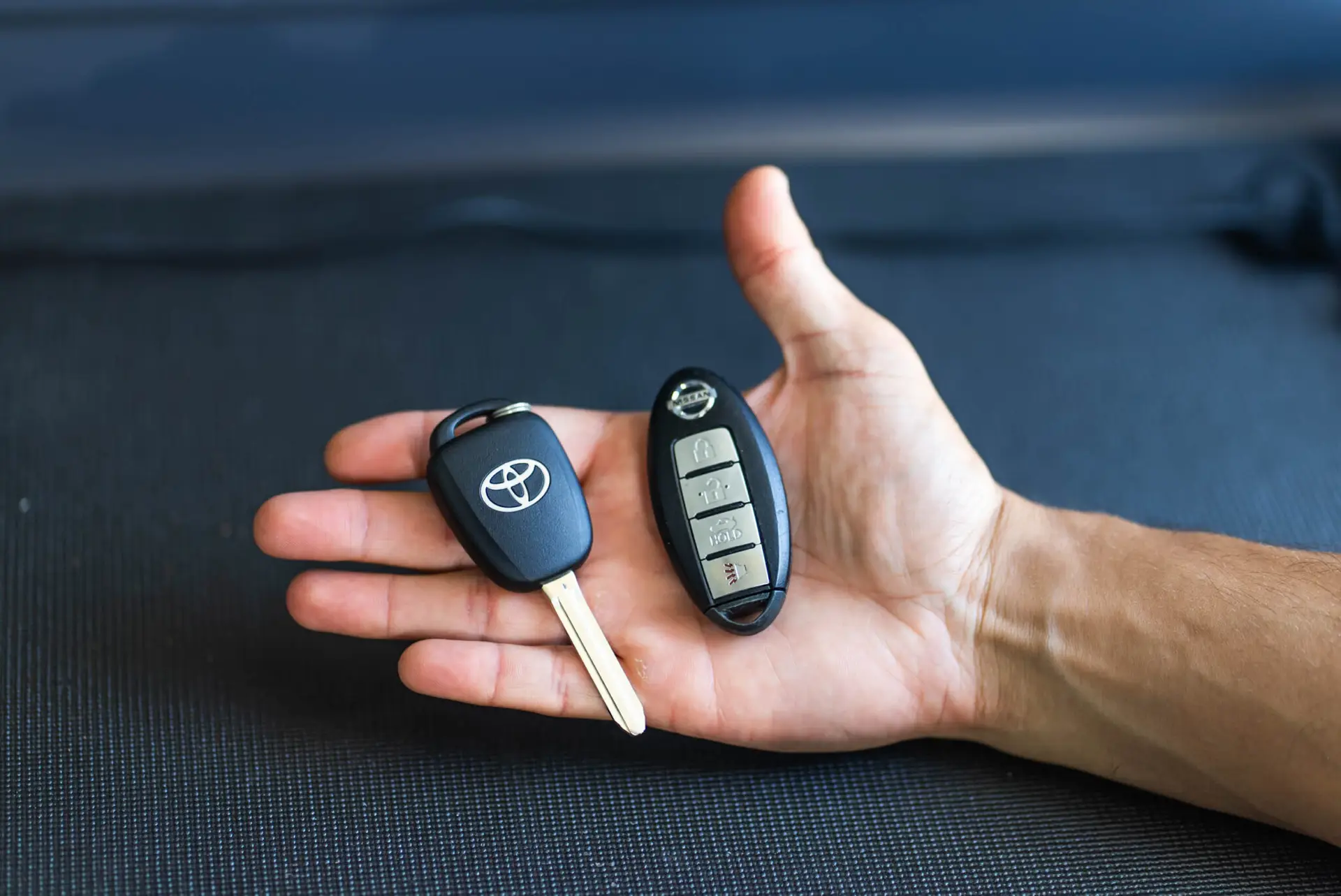
Before attempting anything, take a moment to carefully assess the situation. Many people assume they are immediately locked out, but some vehicles won’t lock if the key is left in the ignition. For example, an older Toyota won’t lock with the key in the ignition. A quick check can save you time and stress. Many modern vehicles with proximity or keyless remotes often won’t lock if the fob is still inside the cabin, if the key has low battery, or if it’s in the trunk, in which case you might be locked out.
First checks to make:
* Look through every window and confirm the exact location of the key.
* Try every door, including the hatch or trunk if accessible.
* Check for any cracked open windows.
* Test to see if the vehicle is truly locked.
* If your vehicle has a smart key or push-to-start, consider if its anti-lockout feature may have kicked in.
A smart move is to test this carefully with a window rolled down first if you are unsure how your car behaves. This will help you determine if your vehicle prevents lockouts without risking a real one.
Understand one important difference: key in ignition vs. keys dropped inside
This is where many people get confused.
Some older vehicles may stop the lock if the key is physically in the ignition, but the same vehicle might still lock if the full key set is simply dropped on the seat or floor. That means you should never assume your car is “impossible” to lock with the keys inside just because it blocked it once under a different condition.
If you are prone to lockouts, the best fix is prevention
One of the most practical pieces of advice we can give isn’t about unlocking your car. It’s about prevention.
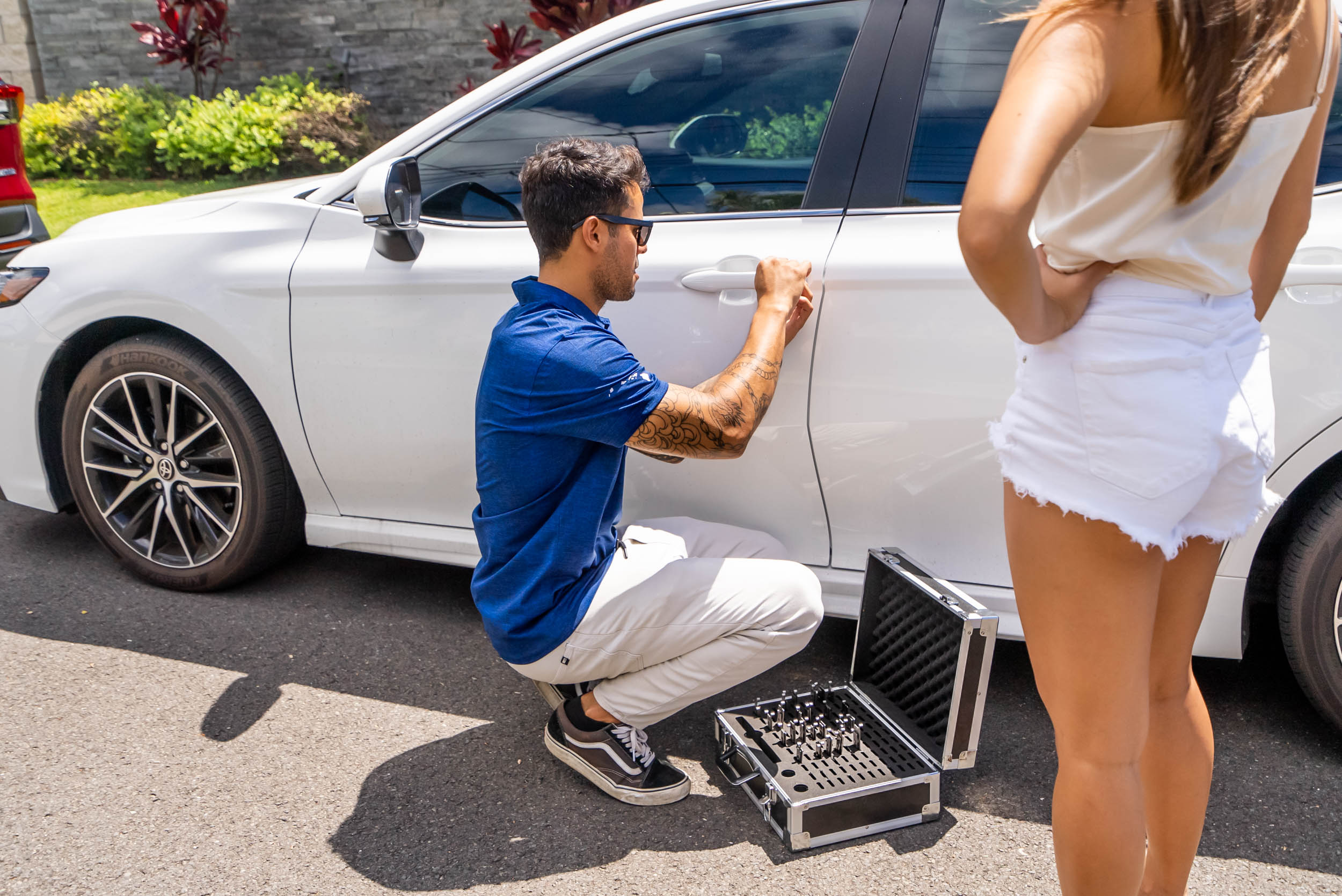
If your car uses a traditional mechanical key and you tend to misplace your keys or lock them in the car, keeping a spare key in your wallet, purse, or another secure location can save you a lot of trouble. We strongly recommend this for simple keyed vehicles, and if you don’t have a spare key, it’s time to call a mobile locksmith or visit a specialist car key shop.
Smart prevention ideas:
- Keep a spare mechanical key in your wallet
- Keep another in a purse or bag you always carry
- Store a spare at home in one known location
- Have at least one backup key made before you actually need it
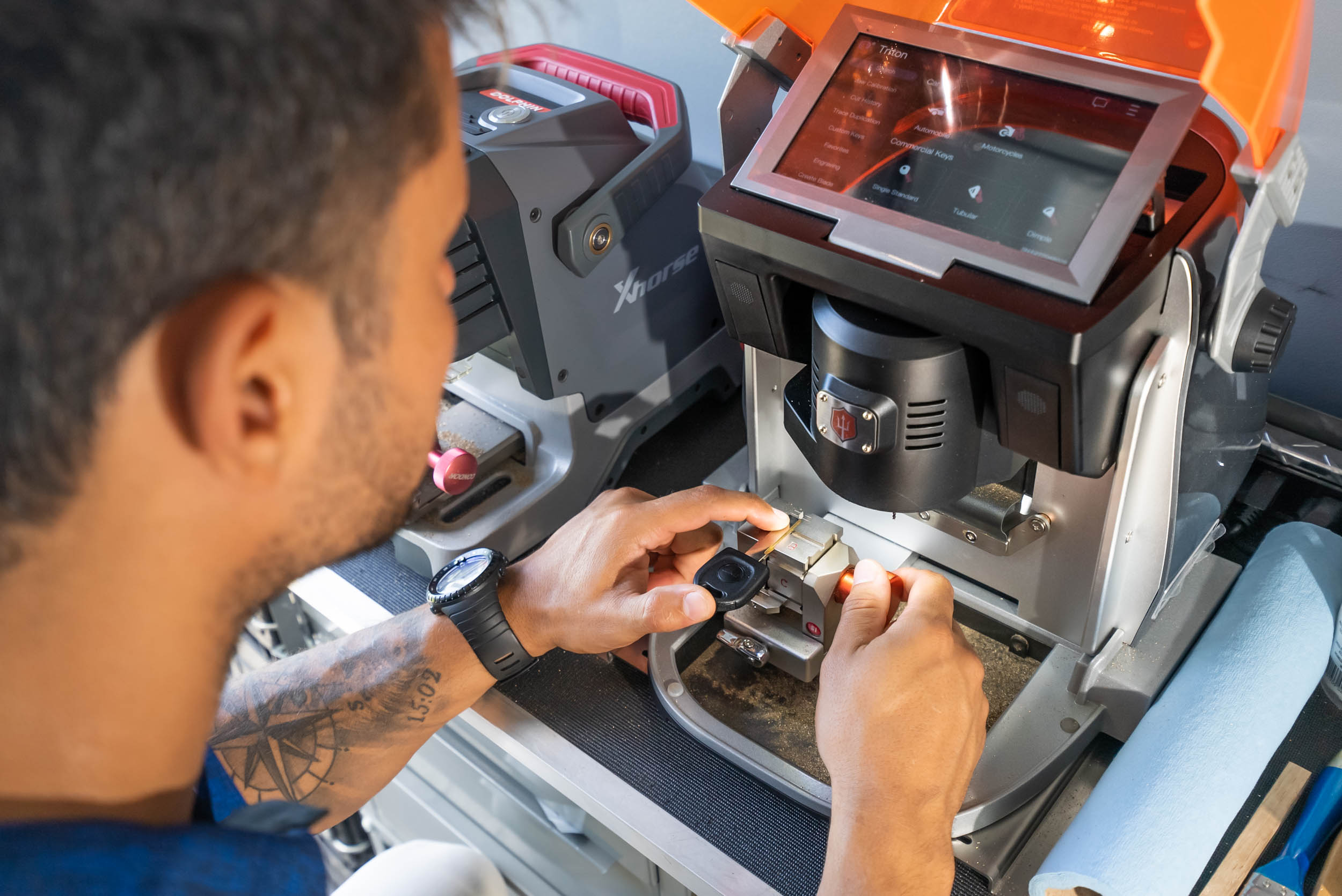
That last point matters more than most drivers realize. If you lose your only modern car key, replacement can become very expensive because you no longer have an existing key to duplicate.
Be careful with magnetic hide-a-key boxes
A magnetic spare-key box might work for older vehicles with basic metal keys, but do not hide a proximity fob on the vehicle itself. If the fob remains close enough to the car, it could create a theft risk, as someone could gain entry, and the car might think the authorized key is present.
This is a critical distinction.
Safe rule:
Traditional spare metal key: Sometimes reasonable, but dangerous if someone sees where you’re hiding the box.
Smart key / push-button remote: Do not hide it on the vehicle unless the key is deactivated for proximity functions.
Keys locked in your car? Here is the safest order of action
If you have confirmed the vehicle is truly locked and the key is inside, follow this order:
1. Check for the simplest access point
Try all doors, the trunk, and rear hatch. Some vehicles have one door that did not fully latch or a trunk that can still be opened.
2. Use your spare key if you have one
This is the fastest and safest solution.
3. Call roadside assistance or a locksmith
If you do not have the right tools or experience, this is usually the lowest-risk option.
4. Only use an unlock kit if you understand what you are doing
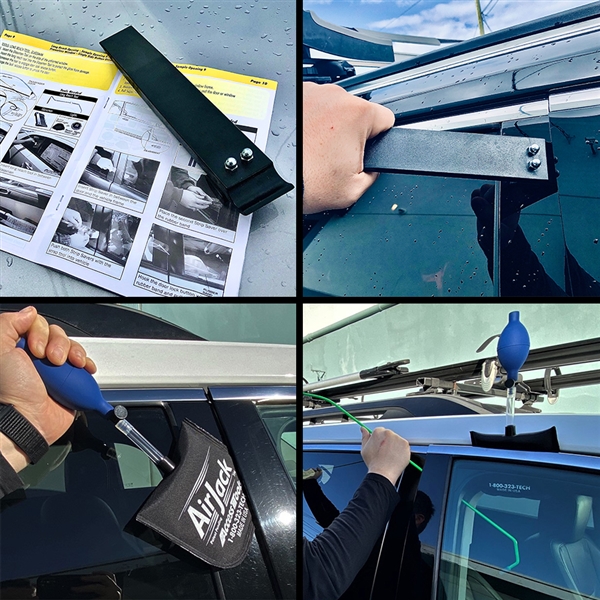
A low-cost entry kit that uses an inflatable air wedge to create a small gap at the top of the door and a long adjustable rod to reach the power unlock button inside. This method is preferable to more aggressive tools because it reduces the chance of damaging the lock assembly compared with older methods that go down through the glass channel.
Why an air wedge and long-reach tool is safer than forcing the lock
A major takeaway is that some older “slim jim” or door-jimmy methods can damage parts inside the door. Those methods can break glass, rip up the lock assembly, damage the latch, or fail entirely on vehicles where the internal linkage is shielded by a metal box.
By comparison, the described air bladder method works by:
- gently opening a small gap at the top of the door frame
- inserting a long tool
- pressing the interior unlock button instead of attacking the lock mechanism itself
That is a much better approach than randomly prying, stabbing, or forcing something down the window channel.
If your car has manual locks, it gets harder
Some vehicles without electric door locks are more difficult to open using this method, because you may need to physically manipulate the manual lock instead of simply pressing an unlock button. That means the job becomes more delicate and much easier to mess up.
In those cases, a locksmith is often the smarter move.
What not to do when your keys are locked inside
When people panic, they make expensive mistakes.
Avoid these:
- Do not smash the window unless it is a true emergency
- Do not ram random metal tools into the door
- Do not force a coat hanger into tight gaps
- Do not assume YouTube tricks will work safely on your vehicle
- Do not keep yanking on the handle and making the situation worse
- Do not try risky methods in public without proof the car is yours
If you are opening your own vehicle and the alarm may sound, have your registration and identification available so the situation does not look suspicious.
What if it is not a lockout, but a dead battery?
Another common issue for stranded drivers is when the car isn’t locked, but won’t start because the battery is dead. We recommend carrying a quality lithium jump starter in your vehicle, and remember that reliability is more important than marketing hype.
A dead battery can feel like a lockout
Sometimes drivers think the key or remote is the problem when the actual issue is battery power. If your vehicle will not respond, will not unlock electronically, or will not start after entry, the battery may be part of the problem. it happens a lot on “Teslas and European vehicles”
The best long-term solution is still a spare key
A spare key is almost always cheaper than:
- emergency lockout service
- towing
- broken glass
- damaged weather stripping
- bent door frames
- replacing your only programmed smart key later
If you own a modern car, having at least one spare can save you a small fortune.
Summarize
If your keys are locked in your car, follow these steps:
- Confirm the car is actually locked.
- Check if your vehicle’s anti-lockout feature might have prevented it.
- Try every door and the trunk.
- Use a spare key if available.
- Call a professional if you don’t have the right tools.
- If using an unlock kit, use a careful air-wedge and long-reach approach, rather than methods that can damage the lock system.
- Make a spare key afterward to prevent this from happening again.
FAQ
Can a car lock with the key inside?
Yes, some can. Some older cars may refuse to lock if the key is in the ignition, while some modern keyless vehicles may refuse to lock if the fob is inside. But that behavior is not universal, and even the same car may behave differently depending on where the key is left.
Is it safe to use a slim jim?
Not always. Many older-style tools can damage the glass channel, latch, or lock assembly, and some vehicles block access to the linkage entirely.
What is the safest DIY way to unlock a car?
An air wedge and long-reach tool used carefully on the interior unlock button is safer than forcing the lock mechanism directly.
Should I keep a spare smart key hidden on the car?
No. Hiding a proximity key on the vehicle because can create a theft risk.
What should I do after I get back into my car?
Make a spare key, create a lockout plan, and keep an emergency kit in the car.