
How to Install a Mortise Lock: A Complete Step-by-Step Guide
Mortise locks are one of the most secure and durable locking systems available for residential and commercial doors — yet most people don’t think twice about them until it’s time to install one. If you’re fitting a new door, upgrading your security, or replacing a worn lock body, this guide covers everything you need to know to get the job done cleanly and correctly.
What Is a Mortise Lock?
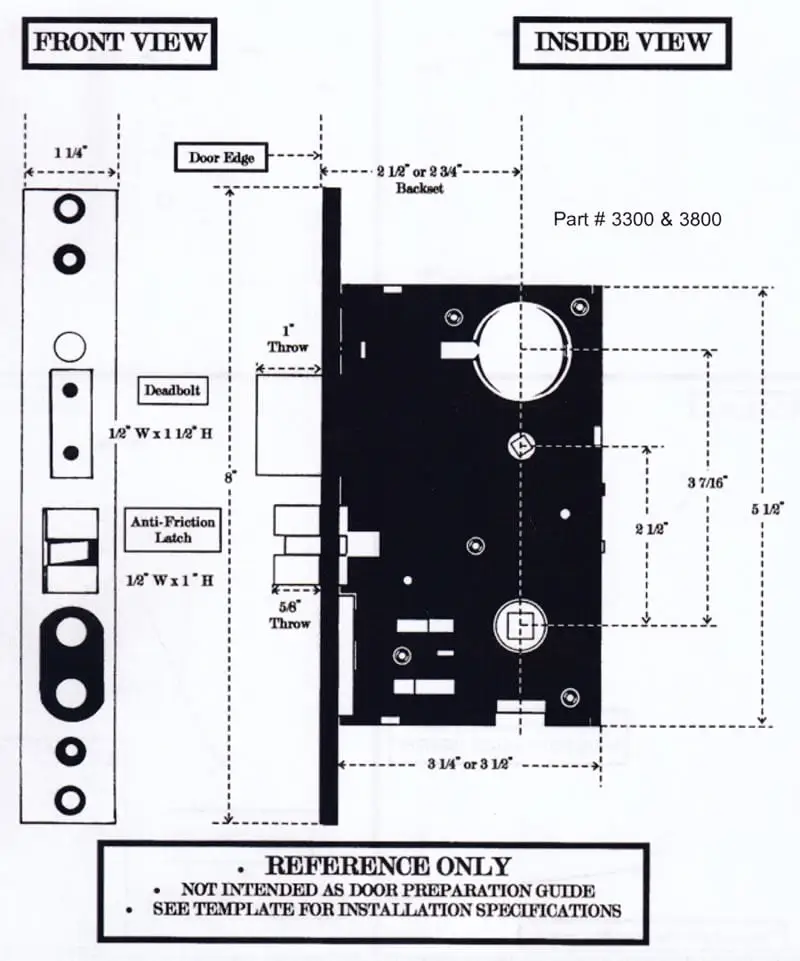
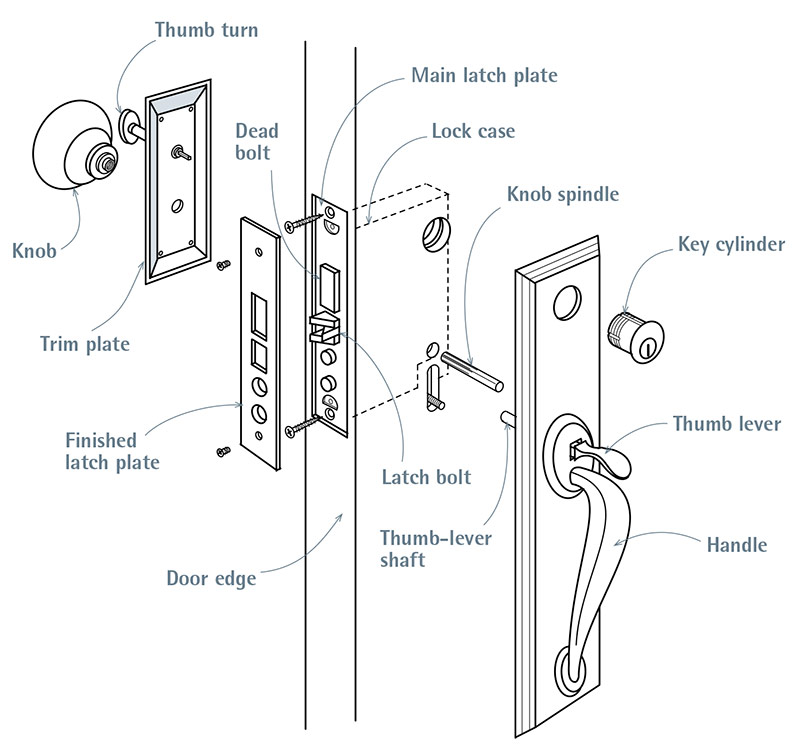
A mortise lock fits directly into the body of the door rather than sitting on its surface. The lock body slides into a routed pocket — called the mortise — cut into the edge of the door, which is where the name comes from.
Mortise locks come in a range of sizes and configurations. Some include a latch for everyday use; others are purely deadlocks used as a secondary security measure. Most residential mortise locks are either three-lever or five-lever, with five-lever versions offering a higher level of security and meeting most home insurance requirements. If you’re installing one for external security, a five-lever lock is the right choice.
Tools and Materials You’ll Need
Before you start cutting anything, get your tools together:
- Mortise lock body with strike plate and screws
- Paper installation template (usually included with the lock)
- Combination square
- Pencil and Stanley knife
- Power drill with drill bits (14mm or narrower recommended)
- Sharp wood chisels with through-tang construction
- Wooden mallet or hammer (depending on chisel type)
- Small plunge router (optional but recommended)
- Self-centering drill bit
- Tape measure
A note on chisels: If you’re using chisels with a steel through-tang — meaning the steel blade runs through the handle to a cap at the top — you can safely strike them with a hammer. If your chisels have a traditional wooden handle wrapped around the tang, always use a wooden mallet. Striking a wooden-handled chisel with a metal hammer will split or destroy the handle quickly.
For sourcing tools, ITS.co.uk carries a wide range of power tools, hand tools, and drill bits, often at competitive prices with next-day delivery on orders placed before 7pm.
Step 1: Decide on Lock Height and Mark the Door
The first decision is where on the door the lock is going. A common height is 42 inches (approximately 1,070mm) from the bottom of the door, which suits most people ergonomically and looks balanced visually. If you’re unsure, walk through your home and compare the handle heights on existing doors — that will give you a solid reference point.
Once you’ve decided on the height, mark a clear centerline along the edge of the door. Use a combination square and adjust it until you get the same line reference from both faces of the door. This confirms you’re drilling and cutting exactly through the center of the door’s thickness — which matters more than most people expect.
Step 2: Use the Template to Mark the Mortise
Most mortise locks come with a paper template. Lay it against the door edge at your marked height and use it to outline:
- The perimeter of the mortise pocket
- The position of the keyhole on the door face
- The position of the spindle hole (for the door handle)
Even with a template, always double-check the measurements against the actual lock body before cutting. Hold the lock up to your marks and verify the template is accurate. Cutting is irreversible — a few extra minutes confirming measurements is always worth it.
Step 3: Drill Out the Mortise Pocket
The quickest way to remove the bulk of material from the mortise is to drill it out. The instructions may specify a drill bit that matches the full width of the mortise — typically around 15mm — but using a slightly narrower bit and alternating from one side of the mortise to the other is a better approach. It gives you more control and prevents accidentally making the pocket wider than needed.
Drill a series of overlapping holes along the length of the mortise, working down to the correct depth. Keeping the drill perfectly vertical is critical here. A simple trick: clamp a piece of scrap timber vertically alongside your drill line. It gives you a visual reference to align against and provides lateral support as the bit travels down through the door.
Step 4: Chisel the Pocket Square
With most of the waste material removed by drilling, use a sharp chisel to clean up the walls and bottom of the pocket. This is satisfying work — the chisel drops through the remaining material cleanly, and the pocket squares up quickly.
Test-fit the lock body as you go. It should slide in with light resistance and sit fully flush with the edge of the door. Make any small adjustments with the chisel until the fit is snug and correct.
Step 5: Mark and Recess the Faceplate
With the lock body sitting correctly in the pocket, re-establish your centerline and use a Stanley knife to score around the perimeter of the faceplate — the flat metal plate that sits flush against the door edge. Score firmly and cleanly, then remove the lock and deepen the knife line with a second pass.
Now recess the faceplate. You can do this in two ways:
With a router: Set the cutting depth to match the plate thickness — typically 4mm. Test on scrap timber first. Freehand the cut as close to your knife lines as possible without touching them, then use the knife and chisel to clean up the small amount of material left between the router cut and the scored perimeter.
With chisels only: Work carefully within your scored lines, removing material in thin passes until the plate sits flush. This is the traditional method and works well — it just takes more time and attention.
The goal is a faceplate that sits perfectly flush with the door edge. Run your finger across it — you should feel no lip or step.
Step 6: Drill the Face Holes for the Keyhole and Spindle
Using your template again, mark the keyhole and spindle positions on the face of the door. Drill the spindle hole straight through to the other side.
The keyhole requires a slightly different approach: drill two holes — one at the top of the keyhole and one at the bottom — then join them using a chisel to create the characteristic keyhole shape. Repeat the process on the opposite face of the door.
Step 7: Fit the Lock Body and Test
With all holes drilled and the mortise pocket correctly sized, slide the lock into position. Use a self-centering drill bit to drill pilot holes for the faceplate screws — this keeps the screws perfectly centered in their countersinks and prevents the wood from splitting. Drive the screws home and test the lock mechanism fully before moving on.
At this stage, peel back the protective film from the faceplate carefully. Take your time around any branded logo area — the film tends to catch and can scratch the finish if rushed.
Step 8: Fit the Strike Plate to the Door Frame
With the lock working correctly in the door, hang the door in the frame temporarily and mark where the bolt and latch land on the frame. This gives you the exact position for the strike plate and lock box.
The process mirrors what you did on the door edge:
- Drill out the bulk of the lock box recess with a drill bit
- Square up the pocket with a chisel
- Offer up the strike plate, score the perimeter with a knife
- Chisel out the recess until the plate sits flush with the frame
If you don’t have room to use a router on the frame, work by hand with the chisel. Take thin, controlled passes and keep checking the fit.
Before fitting the strike plate permanently, apply a coat of paint inside the recess that matches the frame color. This protects the exposed timber and neatly hides any slight gaps around the plate — particularly useful if you’ve removed slightly more material than ideal.
Step 9: Final Assembly and Check
With both the lock and strike plate fitted, hang the door fully and run through a complete test:
- Does the latch extend and retract smoothly?
- Does the deadbolt throw and retract without catching?
- Does the key turn cleanly from both sides?
- Does the door close, latch, and lock without resistance?
If everything operates smoothly, fit the handles, escutcheons, and any remaining trim pieces. Tighten all screws firmly.
Common Mistakes to Avoid
Drilling off-center. Always verify your centerline from both faces before drilling. A pocket that drifts even 2–3mm off-center will cause the lock to sit at an angle.
Making the mortise too wide. Use a narrower drill bit and work carefully. A pocket that’s too loose means the lock body will move under use.
Skipping the pilot holes. Driving screws into hardwood without pilots will split the grain or cause screws to deflect, pulling the faceplate out of alignment.
Rushing the faceplate recess. A faceplate that sits even slightly proud of the door edge will prevent the door from closing cleanly against the frame.
Final Thoughts
A properly fitted mortise lock is one of the most secure and long-lasting door hardware options available. The installation requires patience and precision rather than specialist skills — if you take your time with the layout, drill carefully, and work methodically with the chisel, the result is a lock that sits clean, operates smoothly, and will last decades.
The mortise is already cut in most older doors. On a new door, you’re doing that work yourself — and once you’ve done it once, the process becomes straightforward on every door that follows.
Have questions about door hardware or security upgrades? Leave a comment below or browse our related guides on door fitting, hinge installation, and home security improvements. https://doublequicklocksmit.com