Key Takeaways
A Waikiki car lockout is stressful, but a few careful steps can keep the situation safe and prevent unnecessary damage.
- Move away from traffic and choose a visible meeting point.
- Check every door, the trunk, and whether a spare key is available.
- Keep children, pets, and vulnerable passengers out of danger.
- Use a professional mobile locksmith rather than forcing the lock.
- Ask about entry methods, pricing, authorization, and key replacement before work begins.
Immediate steps to take during a Waikiki car lockout
A vehicle lockout can happen outside a hotel, near the beach, or in a crowded parking structure. Before calling for help, take a moment to assess your surroundings and the condition of everyone with you. The safest response is usually calm, simple, and deliberate rather than rushed.
Move to a safe, visible location
If the car is stopped near moving traffic, a driveway entrance, or a poorly lit area, move yourself and your passengers to a safer nearby spot if you can do so without leaving anyone exposed. A hotel lobby, staffed garage area, or well-lit storefront may provide shelter while you wait. Keep the vehicle visible from that location and share a clear landmark with the locksmith.
Waikiki can be busy at nearly any hour, so avoid standing between parked cars or beside a narrow travel lane. If you are on a roadside, use hazard lights if they can be activated from outside and follow local roadside-safety practices.
Check for unlocked doors, the trunk, or a spare key
Try each door handle once, including the rear doors, and check whether the trunk can be opened independently. Sometimes a door was not fully locked, or a second access point remains available. If the key is inside, do not close another open door until you have confirmed that it can be reopened.
Ask whether a trusted companion, hotel desk, rental agency, or household member can bring a spare. Do not climb through a window or use a coat hanger, wedge, or other improvised tool. Those attempts can damage weather seals, wiring, airbags, or the locking mechanism.
Protect children, pets, and vulnerable passengers
If a child, pet, older adult, or person with a medical condition is locked inside, treat the situation as urgent. Call emergency services if there is immediate danger from heat, breathing difficulty, injury, or any other rapidly worsening condition. Do not leave a vulnerable passenger unattended while you search for help.
If the circumstances are stable, tell the responding locksmith exactly who is inside and where the vehicle is parked. Keep other people at a safe distance from the car and avoid breaking glass unless emergency responders direct you to do so.
Avoid damaging the vehicle with improvised tools
A thin tool forced between the glass and door can bend the frame or disturb the side-airbag system. It can also tear the weather stripping and create a leak that costs more to repair than the lockout itself. Protecting the vehicle first is usually the more economical choice.
For a broader set of immediate lockout precautions, this Waikiki lockout guide can help you think through overlooked access points and the right time to call a professional. Once you have reached safety, gather the vehicle make, model, location, and key details before making the call.
How professional car lockout service in Waikiki works
A professional car lockout visit normally begins with a short assessment rather than an immediate attempt to open the door. The technician needs to understand where the vehicle is, what kind of key system it uses, and whether the key is inside, lost, broken, or not responding. That information helps reduce delays and supports a careful, damage-free approach.
Confirming your location and vehicle details
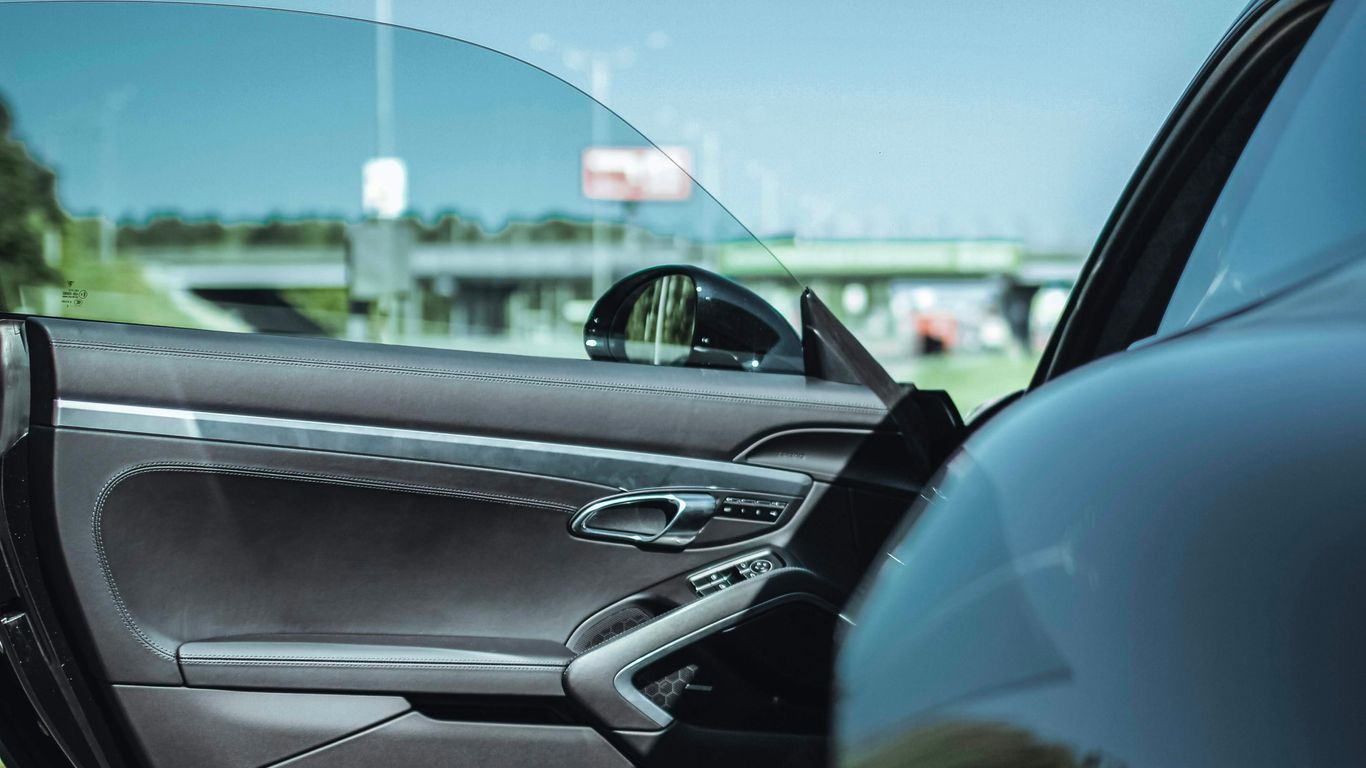
Give the dispatcher the exact hotel, garage level, street entrance, or nearby landmark. If possible, include the vehicle’s year, make, model, color, and license plate, along with whether it is a rental, borrowed vehicle, or personal car. Mention a dead key fob, push-to-start button, locked trunk, or broken key before the technician arrives.
Clear details matter in Waikiki because a vehicle may be surrounded by similar rentals or parked in a structure with several entrances. Stay reachable by phone and provide updates if security staff move the car or change the meeting location.
Verifying ownership or authorization
A locksmith should confirm that you own the vehicle or have permission to access it. Be ready to show identification, registration, rental paperwork, or other authorization when available. If the documents are inside the locked car, explain that to the technician and ask what alternative verification will be accepted.
This step protects you and other vehicle owners. It also gives the technician a clear record of why the service is being performed, especially when a rental car, company vehicle, or borrowed vehicle is involved.
Choosing a damage-free entry method
After assessing the lock and vehicle, the technician selects professional tools and a method suited to that car. The goal is non-destructive entry whenever possible, without drilling, breaking glass, or forcing the lock. Modern vehicles may require a different approach from older mechanical locks, so the technician should avoid treating every car the same way.
Car lockout service from Double Quick Locksmith is described as fast, non-destructive entry for vehicles across Oʻahu, with on-the-spot key replacement and transponder programming available when needed. The appropriate service still depends on the vehicle and the circumstances at the scene.
Completing a post-entry lock and door check
Once the car is open, retrieve the key carefully and check that the doors, trunk, and locking controls work normally. A technician may also look for signs of a damaged lock, broken key fragment, or failing key fob. If the key is missing or damaged, discuss replacement before leaving the site.
A quick check helps distinguish a one-time mistake from a mechanical or electronic problem. It is better to address a sticking latch or unreliable fob while the locksmith is present than to discover the same problem at the next stop.
Automotive lockout solutions for different vehicle problems
Not every lockout is the same, and the solution depends on what caused the loss of access. A key sitting on the seat usually calls for entry and retrieval, while a lost smart key may require replacement and programming. Knowing the difference can make your call more efficient and help you ask for the right service.
Keys locked inside the passenger compartment
When the keys are visible inside the cabin, the immediate objective is to open the vehicle without damaging the door or window. Tell the locksmith whether the key is on a seat, in a cup holder, or inside a bag, and whether the engine is running. That detail can affect how urgently the situation needs to be handled.
After entry, check that the key has not fallen under a seat or into a hard-to-see area. If the vehicle locked itself while running, mention that as well so the technician can check the locking behavior before the call ends.
Dead key fobs and push-to-start vehicles
A dead fob battery can look like a lockout even when the key is physically present. If you can reach the vehicle, try the manufacturer’s emergency start procedure described in the owner’s manual, but do not keep pressing the start button or forcing the fob against the vehicle. If the fob is locked inside, access may still be needed first.
Share the vehicle’s symptoms with the dispatcher: no response from the buttons, a “key not detected” message, or a fob that was recently dropped or exposed to water. These clues help separate a battery issue from a damaged or unprogrammed key.
Lost, broken, or damaged car keys
A lost key changes the job from simple entry to restoring usable access. A broken key may need careful extraction before a replacement can be cut, while a damaged transponder or smart key may need programming. Keep any broken pieces and tell the technician if the key failed in the door, trunk, or ignition.
Double Quick Locksmith provides automotive emergency help for lost keys, broken keys, and ignition issues, and its source material describes on-site replacement or duplication when needed. Ask whether the replacement will be cut, programmed, or both, and whether a spare can be made during the same visit.
Locked trunks, glove compartments, and motorcycles
A trunk or glove-compartment lockout may involve a separate cylinder or release mechanism, so explain exactly where the key is trapped. Avoid prying open a trunk or reaching through a gap, since the surrounding trim and seals can be expensive to replace. Motorcycles also have their own key and storage-lock considerations.
The technician should know whether the vehicle is a car, truck, SUV, motorcycle, or rental. This lets the mobile team bring the most suitable equipment and avoid an unnecessary second trip.
What to expect from a 24/7 mobile locksmith
A mobile locksmith brings the service to the vehicle instead of requiring a shop visit or immediate tow. That is especially useful when your car is parked at a hotel, beach access point, residence, or garage. Availability throughout the day and night also matters when a lockout happens after a late flight, dinner, or evening walk.
Dispatching a technician to hotels, garages, and beach areas
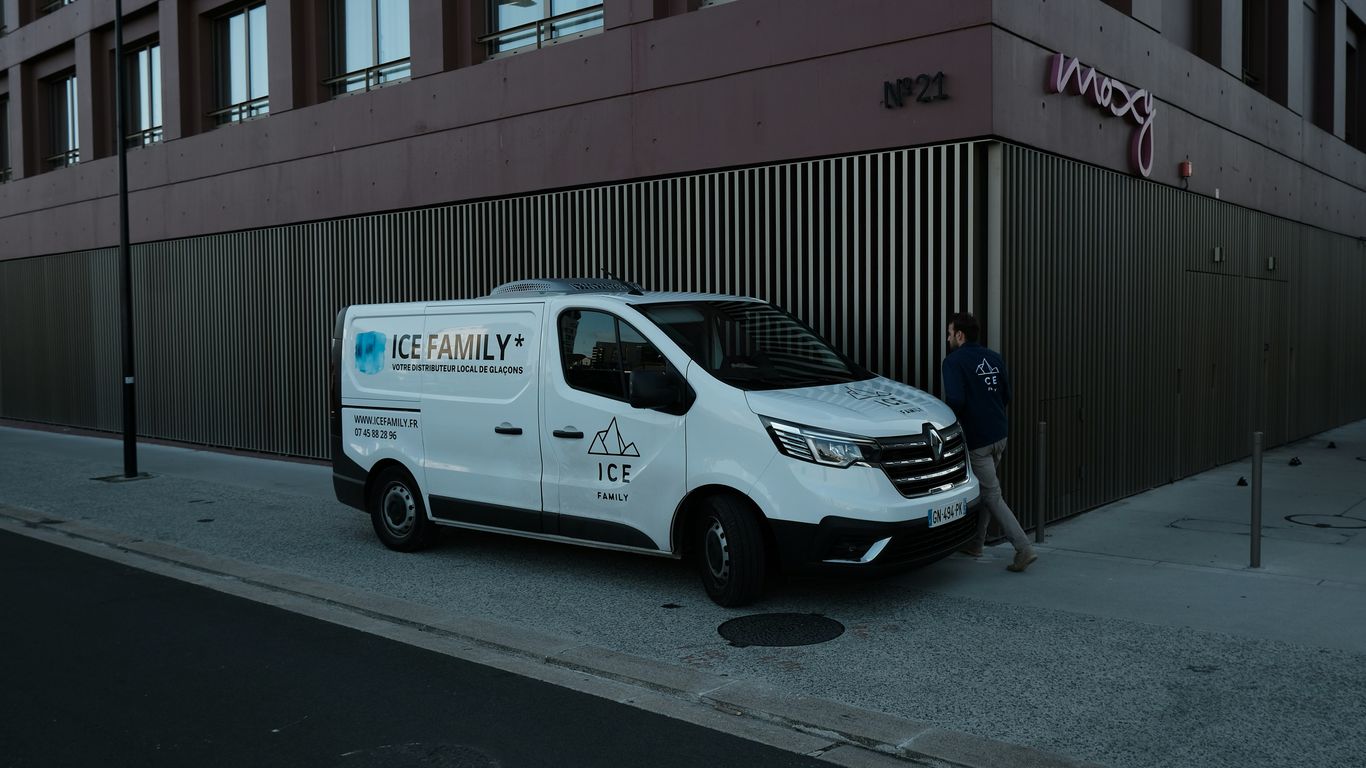
When you call, provide the most precise location you can, including a hotel name, garage entrance, level, stall number, or beach-side landmark. If hotel or garage security controls vehicle access, let the desk or attendant know that a locksmith is coming. A phone number that works locally helps the technician find you if the location is difficult to reach.
Double Quick Locksmith describes its service as 24/7 mobile automotive assistance for vehicles at parking lots, beaches, and driveways across Oʻahu. That on-site model can be more convenient than arranging a tow simply to reach a locksmith shop.
Handling Waikiki’s traffic, parking, and access challenges
Waikiki’s traffic, narrow curb areas, valet zones, and multi-level garages can make a simple meeting point surprisingly hard to find. Stand somewhere visible and legal, then share the easiest vehicle-access route rather than only the street address. If you are using valet parking, ask whether the car can be brought to a designated service area.
A local provider familiar with the district may still need cooperation from hotel staff, garage attendants, or property managers. Keep your phone available and follow site rules while waiting.
Using specialized tools for major makes and models
Vehicle locks and key systems vary widely across makes and model years. A technician may need tools for traditional locks, transponders, smart keys, proximity fobs, trunks, or push-to-start systems. Rental cars and luxury vehicles may also have procedures that differ from a familiar personal vehicle.
Give accurate vehicle information before dispatch. The more complete the details, the better the chance that the technician arrives prepared for the specific lock or key system rather than beginning with guesswork.
Explaining service options before additional work begins
The locksmith should explain whether the visit involves entry only, key retrieval, extraction, duplication, replacement, or programming. Ask what is included in the quoted price and what could cost extra if the key is lost or the ignition is damaged. You should understand the next step before authorizing additional work.
A written or clearly stated estimate is useful, particularly when you are traveling and working within a rental-car or vacation budget. For general local-service considerations, Waikiki locksmith help also emphasizes licensed mobile assistance and key-related services in the beachfront district.
Car key replacement and programming after a lockout
Getting back into the car does not always finish the problem. If the key is lost, broken, or no longer recognized, you may need a replacement before you can drive away. A locksmith can usually determine whether the existing key is usable or whether the vehicle needs a new physical key, electronic programming, or both.
When unlocking the car is enough
If the key is safely inside and works normally, entry and retrieval may be all that is needed. Test the key in the ignition or start system, lock and unlock the doors, and confirm that the trunk release responds as expected. There is no reason to pay for replacement programming when the original key is intact and functioning.
If the key was locked in the trunk, keep it with you after retrieval and avoid placing it back inside while testing the doors. A small habit change can prevent a second call later that day.
Replacing traditional keys and transponder keys
A traditional metal key may only need to be cut to the correct shape. A transponder key also communicates electronically with the vehicle, so cutting alone may not make it start the engine. Ask whether the replacement includes the required programming and whether the original key remains usable.
Keep your vehicle identification information available, but do not post it publicly while asking for help. The technician can confirm what is needed during the service call and explain any compatibility limits.
Programming smart keys and proximity fobs
Smart keys and proximity fobs can control entry and starting without a conventional key blade being used in the usual way. A replacement may need to be paired with the vehicle, and the procedure can vary by make, model, and year. Tell the locksmith whether the fob is missing, damaged, intermittently recognized, or simply has a depleted battery.
Double Quick Locksmith’s automotive information specifically covers smart keys, transponders, and proximity fobs, as well as car key replacement and programming. Ask the technician to test the new key or fob before leaving so you know it locks, unlocks, and starts the vehicle as expected.
Comparing mobile locksmith service with dealership replacement
A mobile locksmith may be able to handle entry, cutting, and programming at the vehicle’s location, which can avoid a tow and a separate shop appointment. A dealership may remain appropriate for certain vehicle-specific requirements or warranty situations. Compare the total process, not just the quoted key price.
| Consideration | Mobile locksmith | Dealership route |
|---|---|---|
| Vehicle access | Service can come to the parked vehicle | A tow or other transport may be needed |
| Timing | Often arranged for the current location | Appointment and parts availability may affect timing |
| Key work | May include cutting or programming on site | Typically handled through dealership procedures |
| Lockout convenience | Entry and key questions can be handled together | Lockout and replacement may be separate steps |
The right choice depends on the vehicle, key type, location, and urgency. Ask both sides what they can do today and what documentation they require before committing.
Choosing a reliable car lockout provider in Waikiki
The best provider is not simply the first number that appears in a search. You want a technician who can reach your location, verify authorization, explain the work, and use an appropriate entry method. A short phone conversation can reveal whether the service is organized and transparent.
Checking licensing, insurance, and technician identification
Ask whether the company is licensed and insured, and request the technician’s name and identifying information before arrival. A marked vehicle and professional identification make it easier to confirm that the person at your car is the service you contacted. Keep your own identification and vehicle documents ready as well.
Double Quick Locksmith’s Waikiki service information describes its technicians as licensed and its mobile service as available to residents, visitors, and businesses. Even so, verify the details when you call and follow the property’s security procedures.
Asking about response times and service coverage
Ask when the technician expects to arrive and whether the provider covers your exact part of Waikiki, including a hotel garage, valet area, or nearby neighborhood. Traffic and access can change an estimate, so treat it as a working window rather than a promise. Confirm how the technician will contact you on arrival.
A 24-hour service should be reachable outside normal business hours, including weekends and holidays. If the first provider cannot give a clear coverage answer, keep looking rather than waiting without useful information.
Confirming pricing, warranties, and possible extra fees
Before authorizing work, ask for the service-call fee, entry price, payment methods, and possible charges for a lost key, extraction, programming, or difficult access. Also ask whether replacement keys or workmanship carry a warranty. Clear pricing reduces unpleasant surprises once the vehicle is open.
The following questions are practical to ask during the call:
- Is entry included in the quoted service price?
- Could programming or key cutting add to the total?
- Is there a warranty on replacement keys or workmanship?
- What identification or vehicle authorization should I show?
The answers should be specific enough for you to make an informed decision. If the price changes after arrival, request an explanation before any additional work begins.
Why local mobile service can reduce towing delays
A mobile locksmith can assess and work on the vehicle where it is parked, so towing may not be necessary for a straightforward lockout. That can be helpful when the car is in a hotel garage, a crowded district, or a location where arranging a tow would add another wait. It also keeps the problem focused on access rather than transport.
The benefit depends on the vehicle and the fault. If there is collision damage, a severe mechanical failure, or a site restriction, towing may still be appropriate; ask the technician to explain why.
Preventing another vehicle lockout in the future
Once the immediate stress has passed, a few low-effort habits can make another lockout less likely. Prevention is especially useful for rental cars, unfamiliar vehicles, and trips that involve beaches, valet parking, or several stops. Choose safeguards that fit how you actually travel rather than relying on memory alone.
Keeping a secure spare key available
Keep a spare with a trusted person or in a secure, access-controlled place rather than under the bumper or in an obvious magnetic box. For a rental car, ask the rental provider about its spare-key policy before leaving the lot. If you make a duplicate, test it before storing it.
Do not leave a spare inside the vehicle. The backup only helps if it remains separate from the primary key and can be reached when needed.
Maintaining key fob batteries
Replace a weak key-fob battery before it stops responding, especially if the buttons work only intermittently or the vehicle displays a low-battery warning. Store the fob away from water, extreme heat, and heavy pressure. If the fob has been dropped or soaked, have it checked rather than assuming a battery will solve the problem.
Keep the correct battery type at home or in a travel kit, but follow the vehicle and fob instructions when changing it. A fresh battery cannot repair a damaged circuit or replace missing programming.
Using reminders before leaving the vehicle
Create a simple “keys, phone, wallet” check before closing the door. For beach days or hotel stops, place the key in the same zipped pocket every time instead of setting it on a towel, seat, or counter. If passengers are helping unload bags, designate one person to hold the key.
A useful routine can include these small checks:
- Hold the key before closing the final door.
- Confirm the fob is in the expected pocket or bag.
- Check that a child or pet is not left inside.
- Lock the car only after everyone is clear.
These habits take seconds and are easier to repeat than trying to remember the key after a busy day. They also help prevent a key from being locked in a trunk during luggage handling.
Saving a trusted 24-hour locksmith contact
Save a reliable locksmith’s number before you need it, and include the service area in the contact name. Keep rental-car assistance details and roadside coverage information nearby as well. If a lockout occurs, you can spend less time searching and more time moving to safety.
It is worth checking the contact periodically so the number and service information remain current. A short note about your vehicle’s make, model, and key type may also make a future call more efficient.
Get Help When You Need It
If you are locked out in Waikiki, contact Request service for mobile locksmith assistance and describe your location and vehicle problem clearly. A prompt call can help you avoid unsafe improvisation, unnecessary towing, and a longer interruption to your day.
Conclusion
A Waikiki car lockout is easier to manage when you first get somewhere safe, check the obvious access points, protect passengers, and avoid damaging tools. Professional mobile help can address simple entry, trunk access, broken keys, smart fobs, and replacement programming according to the vehicle’s needs. With clear authorization, upfront questions, and a spare-key habit, you can get back on the road with less stress.
Frequently Asked Questions
What should I do first during a car lockout in Waikiki?
Move to a safe, visible location, check the doors and trunk without forcing anything, and call for professional help if the key cannot be reached safely.
Can a locksmith open a car without damaging it?
Professional locksmiths generally use vehicle-specific, non-destructive entry methods whenever possible, though the exact approach depends on the lock, vehicle, and condition of its components.
What information should I provide when requesting help?
Provide your exact location, vehicle year, make, model, color, license plate if available, and whether the key is locked inside, lost, broken, or not being recognized.
Can a locksmith help with a locked trunk?
Yes, a vehicle locksmith may be able to address a locked trunk using an appropriate entry method. Explain where the key is and whether the passenger doors can still be opened.
What happens if the car key is lost instead of locked inside?
The service may include vehicle entry followed by cutting, replacing, or programming a key, depending on whether the car uses a traditional key, transponder, smart key, or proximity fob.
Should I use a dealership or a mobile locksmith for a replacement key?
Compare availability, total cost, towing or transport needs, documentation, programming capability, and warranty terms before choosing the option that fits your vehicle and urgency.
How can I prevent another vehicle lockout?
Keep a secure spare key separate from the car, replace weak fob batteries, use a consistent key-storage routine, and save a trusted 24-hour locksmith contact before traveling.