Key Takeaways
A car lockout can happen after a beach day, in a driveway, or in a busy parking area. The safest response is to protect yourself, avoid forcing the vehicle, and call a mobile professional when you cannot regain entry.
- Mobile lockout service can come to your location instead of requiring a tow.
- A safe position away from traffic should come before trying to solve the lockout.
- Vehicle type, key technology, and the location of the keys affect the right solution.
- Non-destructive entry methods help reduce the risk of damage to the vehicle.
- Lost, broken, or damaged keys may require replacement, programming, or ignition service.
Why choose a mobile car lockout service in Haleiwa
A lockout is rarely convenient, particularly when you are parked near the North Shore, traveling in a rental vehicle, or trying to get home after dark. A mobile locksmith brings the necessary tools to the vehicle, so you can seek help where the problem occurred. For drivers searching for car lockout service haleiwa, hawaii, the main benefit is practical: help comes to the car rather than the car going to a shop.
Faster roadside assistance without a tow
A mobile response can be useful when the vehicle is secure but inaccessible. Instead of arranging a tow for a simple locked-door problem, a technician can assess the entry system and work at the roadside. Double Quick Locksmith describes its car lockout service as available 24/7 across Oʻahu, with non-destructive methods for most makes and models.
The right approach depends on the vehicle and the lockout, but the goal is straightforward access without unnecessary disruption. That can save time, avoid a tow, and let you continue your plans once the keys are retrieved or the next key-service step is identified.
Service at beaches, homes, businesses, and parking areas
Haleiwa lockouts do not happen in one predictable setting. You might be outside a home, beside a business, at a beach parking area, or standing near the vehicle with groceries and children waiting. Give the locksmith a clear description of the location, including a nearby landmark or the name of the parking area if you are unsure of the exact address.
Double Quick Locksmith’s Haleiwa service information describes mobile assistance for vehicles, homes, and businesses, including situations near beaches and driveways. A nearby North Shore mobile locksmith page also reflects how varied roadside locations can be in this area, from town streets to coastal stops.
Support for cars, trucks, SUVs, and rental vehicles
The vehicle’s size does not usually explain the lockout by itself, but it helps to share whether you are driving a car, truck, SUV, motorcycle, or rental vehicle. The technician can then prepare for the relevant door, trunk, and key system. Rental drivers should also keep the rental agreement or company contact information available, since the rental provider may have its own requirements.
Double Quick Locksmith’s automotive information covers all makes and models, including motorcycles and trucks, and notes support for rental vehicles. Ownership or authorized use still needs to be established before work begins, especially when the driver is borrowing or renting the vehicle.
When to call a locksmith instead of a dealership
A dealership may be appropriate for some manufacturer-specific key issues, but it may not be the most practical first call during a roadside lockout. A mobile locksmith can come to the vehicle and determine whether the immediate issue is a locked door, a misplaced key, a dead fob, or a damaged ignition. This is particularly useful when the vehicle cannot be driven to a dealership.
If the key is inside and the locks are functioning, the job may only require entry. If the key is missing or the system will not recognize it, ask whether on-site replacement or programming is available before arranging transportation.
What to do when you’re locked out of your car
The first few minutes after a lockout can feel chaotic, but a calm sequence reduces risk. Check the obvious options, move away from hazards, and gather the information a technician will need. Do not trade a frustrating inconvenience for broken glass, damaged weather stripping, or an expensive lock repair.
Check for a spare key and accessible entry points
Look for a spare key only if it can be reached safely and lawfully. Check whether another door is already unlocked, but avoid repeatedly pulling handles or forcing a mechanism that may be jammed. If a child, pet, or vulnerable person is inside the vehicle, explain that immediately when requesting help.
A quick check can distinguish a simple accidental lockout from a key or lock failure. Once you have confirmed that the keys are inaccessible, stop experimenting and focus on a safe handoff to a professional.
Move to a safe location away from traffic
If the car is near a travel lane, stand somewhere visible and protected rather than beside passing vehicles. Use hazard lights if they are already accessible, and avoid walking into traffic to flag down assistance. At a beach or isolated parking area, stay near a public, well-lit place when possible.
Your location also needs to be precise enough for a mobile technician to find you. Share the street, landmark, parking row, or nearest business, and keep your phone available for a call if the technician needs clarification.
Keep your vehicle information and identification ready
A technician may ask for the make, model, year, color, plate number, and exact location. Have your driver’s license or other identification ready, along with registration, rental paperwork, or proof that you are authorized to use the vehicle. These details help confirm the request and inform the technician about the likely lock system.
It helps to have the following information ready before calling:
- The vehicle’s make, model, year, and color.
- Your exact location and a nearby landmark.
- Whether the keys are inside, lost, broken, or not recognized.
- Whether the vehicle is privately owned, borrowed, or rented.
This information does not replace an on-site assessment, but it can make the initial conversation clearer and reduce avoidable delays.
Avoid damaging the window, lock, or weather stripping
Improvised tools, coat hangers, wedges, and attempts to pry open a door can damage wiring, airbags, seals, or the lock itself. A window may break suddenly, and forcing a door can create a second repair bill. Damage prevention matters more than gaining a few minutes through an uncertain DIY method.
Professional lockout tools and training allow the technician to choose a controlled method for the vehicle. If there is an immediate medical or safety emergency, contact emergency services first rather than attempting to solve the lockout alone.
How professional car lockout service works
A professional car lockout generally begins with questions, not force. The technician needs to confirm where the vehicle is, who is requesting access, and what kind of key or lock system is involved. This short assessment supports a safer and more appropriate entry method.
Confirming your location and vehicle details
The first conversation usually covers the address or landmark, the vehicle description, and the reason for the lockout. Be direct about whether the keys are locked inside, lost, broken, or left in the trunk. If the vehicle is in a private lot, provide any gate, stall, or access instructions.
Clear details help the mobile technician find the right vehicle and bring suitable equipment. They also allow the service provider to explain likely pricing factors before work begins.
Assessing the lock and key system
Once on site, the technician examines the door, lock, key, and vehicle security system. A traditional key, transponder, fob, or smart key can require a different process. A damaged lock or ignition may change the job from simple entry to repair or key service.
The assessment should also account for where the keys are located. A trunk lockout, for example, may be handled differently from a front-door lockout, especially when the vehicle has automatic trunk locking or electronic release controls.
Using non-destructive entry methods
The preferred approach is to open the vehicle without breaking the window, drilling unnecessarily, or damaging the lock. Double Quick Locksmith’s emergency car lockout information specifically describes non-destructive entry for doors, trunks, and glove compartments. The technician selects tools and techniques based on the vehicle rather than applying one method to every car.
Non-destructive does not mean that every lockout has an identical outcome. A malfunctioning lock or severe damage may require repair, but the situation should be explained before additional work is performed.
Checking the vehicle after it has been opened
Opening the door is only part of a careful service call. The technician should confirm that the door, lock, and relevant key system are functioning as expected, particularly if the lockout involved a broken key, damaged fob, or jammed mechanism. If something is not working correctly, ask what repair or replacement is needed before leaving.
A final check also helps identify whether the keys were merely misplaced or whether a replacement is sensible. If the original key is lost, making a spare may prevent the next lockout from becoming an emergency.
Vehicle lockout solutions for modern cars
Cars do not all respond to a lockout in the same way. Some use a basic mechanical key, while others combine electronic authorization with a physical emergency blade. Explaining the key type and the symptom—such as a dead fob or a key that turns but will not start the car—helps narrow the possibilities.
Traditional keys and standard door locks
A conventional metal key and mechanical door lock may allow straightforward entry when the key is locked inside. The technician still needs to use the correct tools and protect the door seal and lock cylinder. A key that bends, sticks, or no longer turns may point to a separate key or lock problem.
After entry, test the key and locks gently. If the key is worn or the cylinder feels rough, request an assessment rather than waiting until the key breaks in the lock.
Transponder keys and key fobs
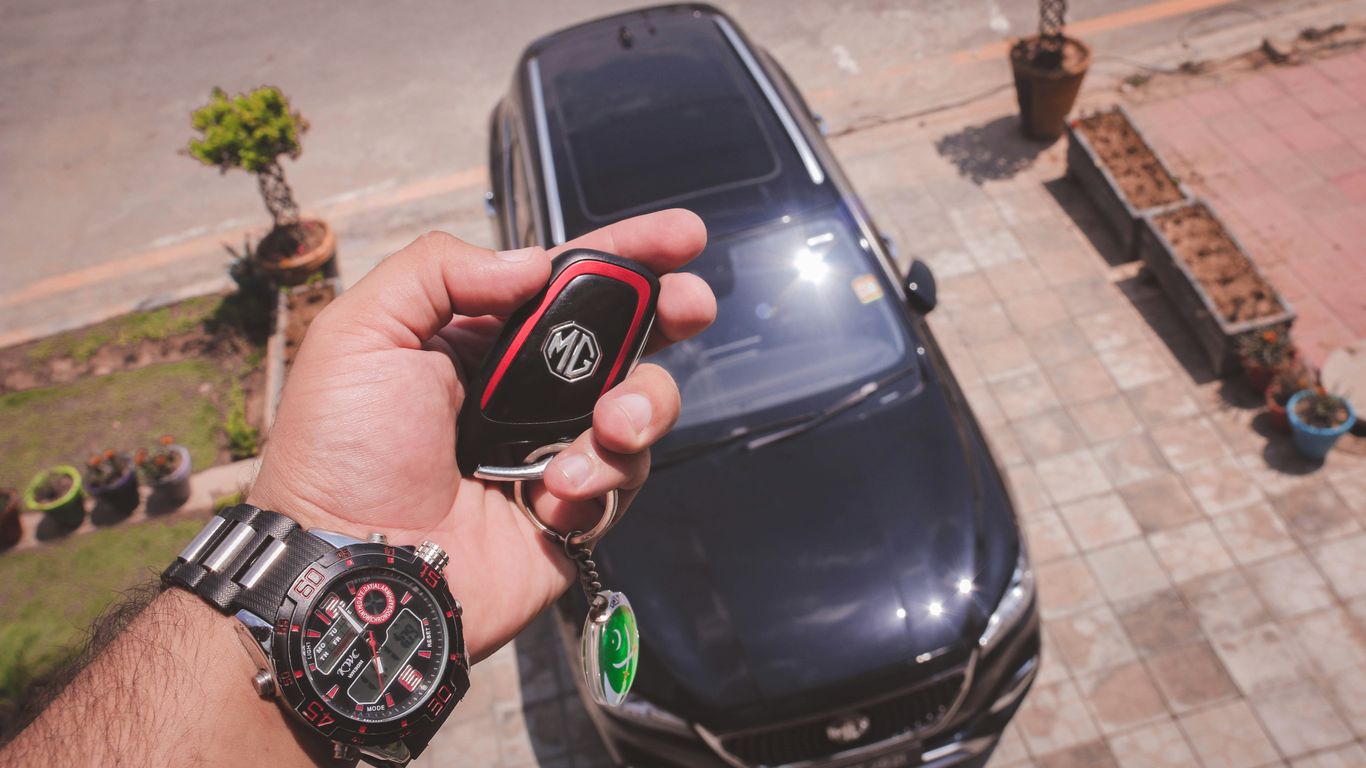
A transponder key may open the door but still require electronic recognition before the vehicle starts. A key fob can also have a weak battery, damaged buttons, or a signal problem. Entry and ignition authorization are related but not always the same service.
Double Quick Locksmith lists transponders and key fobs among its automotive services. If you can enter the vehicle but cannot start it, describe that distinction clearly so the technician can consider programming, replacement, or a battery-related issue.
Smart keys and push-to-start systems
Smart keys and push-to-start vehicles may use proximity detection rather than a conventional key-turning process. A dead fob battery, a missing smart key, or a system that fails to recognize the fob can leave the driver unable to start the car even after the door is opened.
Keep any emergency key blade, fob case, or manufacturer instructions available if you have them. Do not assume that pressing the start button repeatedly will solve a missing or unrecognized key; the next step depends on the vehicle’s system.
Trunk, glove box, and broken key lockouts
A locked trunk or glove box can be its own access problem, particularly when the main key is inside or the release is electronic. Broken key fragments require care because pushing them deeper can make extraction harder. The same applies to a key that snaps in an ignition or door cylinder.
Describe the exact access point when you call. A provider that handles vehicle lockouts and broken key extraction can prepare for the difference between opening a door, retrieving a key, and removing a fragment.
When a lockout also requires car key service
Sometimes the door opens and the problem becomes clear: the key is gone, damaged, or no longer communicates with the vehicle. In that situation, entry alone will not get you back on the road. A mobile automotive locksmith may be able to continue with key work at the vehicle, depending on the make, model, and system.
Replacing lost or stolen car keys
A lost key creates both an access problem and a security concern. Tell the technician whether the key was misplaced or stolen, since the recommended solution may involve replacing the key and considering the vehicle’s existing key authorization. Have identification and vehicle documents ready for the service visit.
The replacement process varies by vehicle. Some cars need a cut key, while others require electronic programming before the replacement will start the vehicle.
Cutting and duplicating keys on-site
On-site cutting can be useful when the original key is worn, broken, or unavailable. A duplicate is also a sensible precaution when you have only one working key. The technician needs accurate vehicle information and may need to inspect the existing key or lock before cutting.
A duplicate should be tested before the service call ends. Make sure it operates the relevant lock and, when applicable, works with the vehicle’s ignition system.
Programming replacement transponder keys
A replacement transponder key may need to be programmed so the vehicle recognizes it. This is different from cutting the metal portion of the key. The required process depends on the vehicle’s security system and the keys already associated with it.
Ask whether programming is included in the quoted service or treated as a separate step. Clear expectations are especially useful when the original key is completely missing and there is no working copy to test against.
Repairing damaged ignitions and key systems
A key that will not turn, an ignition that binds, or a fob that no longer communicates may indicate more than a lockout. Forcing the key can worsen the damage. A technician can inspect the ignition or key system and explain whether repair, extraction, replacement, or programming is appropriate.
The on-site key repair service described for Oʻahu includes broken key extraction, replacement-key cutting, and ignition-related work. The exact repair still depends on the vehicle’s condition and the parts required.
What to expect from a 24/7 Haleiwa locksmith
A 24/7 service is most useful when the process is clear from the first call. You should be able to explain the location and vehicle, understand the likely next step, and know which details may affect the price. A professional interaction should feel organized even when the lockout itself is stressful.
Typical response times across Haleiwa and the North Shore
Travel time depends on the technician’s location, traffic, weather, and the exact North Shore destination. Double Quick Locksmith’s Haleiwa information states that mobile technicians may reach customers in as little as 30 minutes, while its broader emergency information describes typical Oʻahu response times of 20–30 minutes. Treat those figures as service information rather than a promise for every individual call.
When requesting help, give the most exact location possible and remain reachable. If you move to a safer place, tell the technician where to find you and how to identify the vehicle.
Upfront pricing and potential service costs
The final cost can depend on the vehicle, time, location, entry method, key technology, and whether replacement or programming is needed. Ask about the service call, lockout entry, and any possible key work before authorizing additional steps. A straightforward quote should identify what is included and what could change it.
A locked-door entry is usually a different job from replacing a missing smart key or repairing an ignition. Understanding that distinction helps you compare the estimate with the work actually requested.
Licensed, insured, and professional technicians
Ask whether the technician is licensed and insured, and be prepared to show that you own or are authorized to use the vehicle. A marked mobile vehicle, clear communication, and careful handling of the car are reassuring signs. Professional conduct matters as much as speed when someone is working around the locks, windows, and security system.
Double Quick Locksmith identifies its Haleiwa technicians as licensed and describes 24/7 mobile automotive service across the area. Keep the conversation focused on the vehicle, the problem, and the work that has been authorized.
How to request emergency car lockout assistance
Call or text with your location, vehicle details, and the kind of lockout you are facing. Mention if a person or animal is inside, if the vehicle is blocking traffic, or if a key is broken in the lock. Then stay in a safe, reachable place until the technician arrives.
For immediate assistance, you can request mobile help and explain whether you need entry only or additional key service. A concise description lets the provider prepare for the situation and helps prevent surprises when the technician reaches Haleiwa.
Conclusion
A Haleiwa car lockout is easier to manage when you prioritize safety, avoid forcing the vehicle, and provide accurate information to a mobile professional; when you need help, reach out for dependable 24/7 service and a clear next step.
Frequently Asked Questions
How quickly can a locksmith reach Haleiwa?
Response time depends on the technician’s location, traffic, weather, and your exact destination. Ask for an estimated arrival time when you call and keep your phone available.
Can a locksmith open a car without damaging it?
Professionals commonly begin with non-destructive entry methods suited to the vehicle. No method is identical for every car, so a damaged or malfunctioning lock may require further repair.
What information should I provide during a car lockout call?
Provide your exact location, vehicle make and model, year if known, color, plate number, and whether the keys are inside, lost, broken, or not recognized.
Can a locksmith help with a rental car lockout?
A locksmith may be able to assist, but you should also follow the rental company’s requirements. Keep the rental agreement and company contact details available to confirm authorization.
What should I do if my key is broken in the ignition?
Do not keep turning or pushing the key. Stop using the ignition and request key extraction or ignition assessment so the fragment and surrounding mechanism are not damaged further.
Can a mobile locksmith replace a lost car key?
Depending on the vehicle, a mobile locksmith may be able to cut, duplicate, or program a replacement at the location. The make, model, security system, and available key information affect the process.
Is a dealership required for every modern car key problem?
Not always. Some mobile locksmiths handle transponder keys, fobs, smart keys, and related programming, while certain manufacturer-specific issues may still require dealership support.