Key Takeaways
A car lockout can become more stressful when you are near traffic, unfamiliar with the area, or dealing with a modern key system. A mobile locksmith can often restore access at the vehicle’s location without towing.
- A locksmith first confirms your location, vehicle, and lockout circumstances.
- Non-destructive entry methods are used whenever possible.
- Lost, broken, or electronic keys may require replacement or programming.
- Staying visible and avoiding DIY entry attempts helps protect you and your vehicle.
- Hawaii Kai drivers can request mobile assistance at homes, workplaces, shopping areas, and roadside locations.
How car lockout service in Hawaii Kai works
A vehicle lockout usually begins with a short phone assessment, followed by mobile service at your exact location. The technician needs enough information to understand the vehicle and choose an appropriate entry method. The goal is to restore access carefully, then make sure the vehicle remains secure and usable.
Confirming your location and vehicle details
When you call for car lockout service in Hawaii Kai, give the dispatcher a clear location, nearby landmark, vehicle make and model, and a description of what happened. Mention whether the keys are inside, missing, broken, or connected to a push-to-start system. This helps the technician arrive with the right tools and avoid unnecessary delays.
If you are on a roadside shoulder, share the direction of travel and use a visible landmark when possible. A location near Koko Marina Center, a driveway, or a parking row is easier to identify than a general neighborhood name.
Assessing the lockout before beginning service
The locksmith will look at the vehicle, lock system, and circumstances before beginning. A key locked inside a sedan is different from a damaged key in an ignition or a dead proximity fob. The technician may also confirm ownership or authorization before working on the vehicle.
A quick assessment keeps the process controlled rather than rushed. Common details that affect the approach include the following:
| Situation | Initial consideration | Possible next step |
|---|---|---|
| Keys inside the cabin | Vehicle entry is needed | Non-destructive door access |
| Keys in the trunk | Trunk release and lock design | Cabin or trunk access |
| Lost key | No working key is available | Key replacement or duplication |
| Dead key fob | Electronic access may not respond | Physical entry and key-system check |
The table is only a starting point; the vehicle and the exact lockout determine what happens next. A careful technician explains the approach before applying tools.
Using non-destructive entry methods
Professional vehicle entry relies on specialized tools and training rather than forcing a window, prying the door, or guessing at the lock. Non-destructive methods aim to avoid scratches, broken glass, damage to weather seals, and problems with the lock or alarm system. Careful entry protects the vehicle while addressing the immediate problem.
No method should be treated as automatic for every vehicle. The technician selects an approach based on the lock design and the vehicle’s condition, and should explain if an unusual complication changes the work.
Checking the vehicle after access is restored
Once access is restored, check that the keys are accounted for and that the doors, trunk, and lock system operate normally. If a key is damaged or missing, the next step may be replacement rather than simply closing the door again. A final check can also reveal whether the original problem involved the key, the lock, or the vehicle’s electronic system.
For broader emergency lockout guidance, this vehicle lockout guide covers ownership verification, avoiding forced entry, and possible key replacement steps.
Common vehicle lockout situations we handle
Lockouts happen in ordinary moments: after unloading groceries, returning from the beach, or setting a bag on the passenger seat. The remedy depends on where the key is and whether it still works. A mobile automotive locksmith can address the immediate entry problem and identify related key issues.
Keys locked inside the passenger compartment
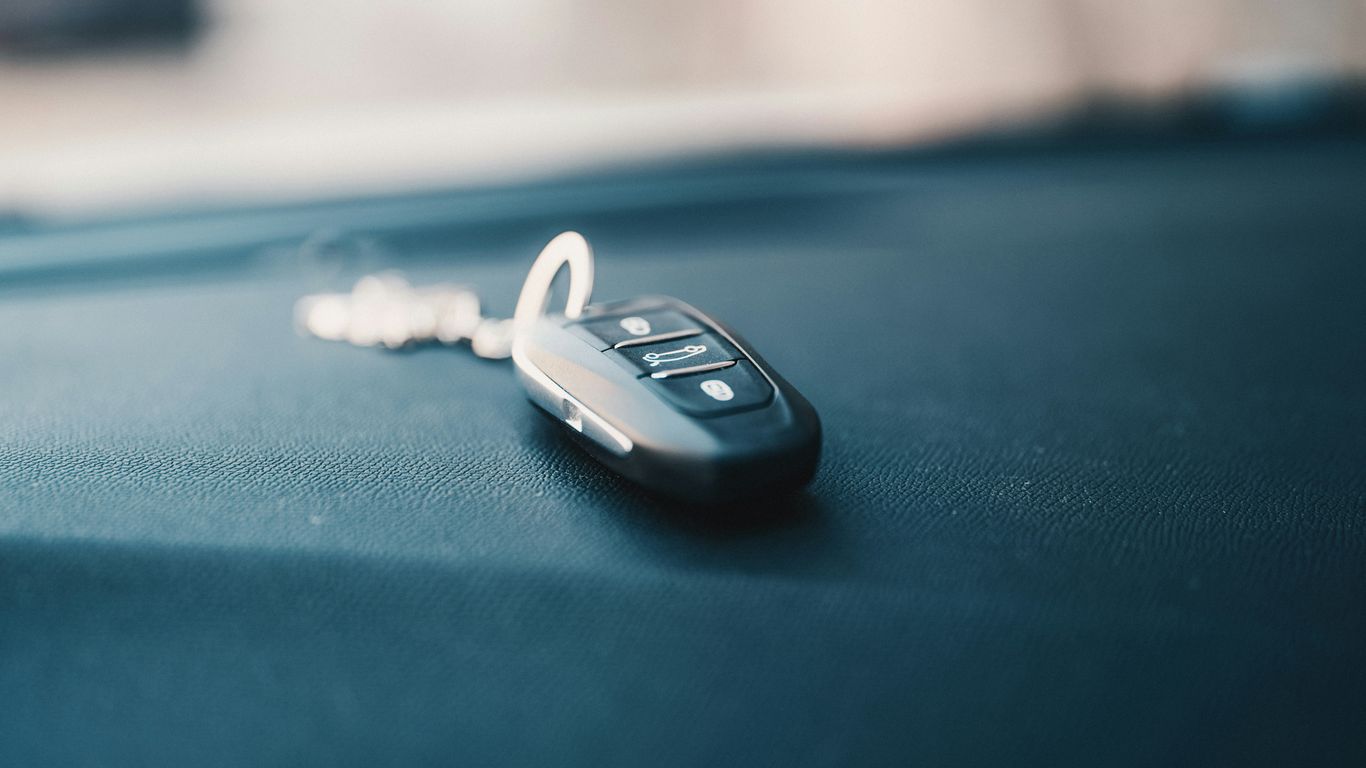
A door can lock with the keys on a seat, floor, or center console, especially when a button is pressed accidentally or the vehicle locks as a door closes. Tell the technician which doors are locked and whether anyone or any animal is inside. If a child or pet is trapped, treat the situation as urgent and contact emergency services when there is immediate danger.
A trained locksmith uses an appropriate entry method instead of encouraging improvised tools. That helps reduce the risk of bent frames, damaged seals, and broken windows.
Keys left in the trunk or glove box
Trunk and glove-box lockouts can be more complicated than a normal door lockout because the key may be close but still inaccessible. The technician considers whether the cabin, trunk, or glove compartment can be reached safely without damaging the vehicle. Avoid repeatedly pulling handles or forcing a narrow opening while waiting.
If the trunk latch, remote release, or interior button is not working, describe that detail during the call. It can affect the entry plan and whether a key or lock repair may be needed afterward.
Lost, broken, or damaged car keys
A lost key means the vehicle may need a replacement rather than simple unlocking. A snapped blade or damaged remote may also leave you with access but no dependable way to start or secure the car. Depending on the vehicle, an on-site technician may be able to cut, duplicate, or replace the key.
Keep any remaining key pieces, key shell, or fob with you. Even a damaged part may provide useful information about the key type and vehicle system.
Dead key fobs and push-to-start systems
A dead fob battery can make a working vehicle seem completely inaccessible. Push-to-start vehicles may also have an emergency detection procedure that differs by model, so avoid relying on a generic internet tip when you are stranded. Tell the locksmith whether the fob lights up, whether the vehicle recognizes it, and whether a physical key is available.
Modern lockouts are not always caused by a locked door. The issue may involve the fob battery, transponder, proximity system, or a key that has lost its programming.
Mobile automotive locksmith services for Hawaii Kai drivers
A mobile service is useful because the problem often cannot be moved to a shop. The technician brings tools to a driveway, parking lot, workplace, or roadside location. Depending on the diagnosis, the visit may involve entry only or a related key and ignition service.
On-site car key replacement
When keys are lost or damaged, on-site replacement can save a second trip to a dealership or parts counter. The technician first identifies the vehicle and key type, then explains what replacement is appropriate. Some situations call for a basic key, while others involve a transponder, remote, or smart key.
Car key replacement is a useful option to consider when entry alone will not get the vehicle back into dependable daily use. Keep identification and vehicle information available so the work can be assessed efficiently.
Transponder key and key fob programming
Many vehicles use a transponder or fob that must communicate with the vehicle before it will start or recognize the key. Programming is separate from physically unlocking a door, so mention this need at the start of the call. A technician can then determine whether the requested key service fits the vehicle and available equipment.
The right procedure varies by make, model, year, and key system. Avoid assuming that a replacement shell or battery will solve a programming issue.
Broken key extraction
A key that breaks in a door or ignition should not be pushed farther inward with another object. A locksmith can use extraction tools to remove the fragment while limiting damage to the cylinder. Once the piece is out, the technician can assess whether the original key is usable or whether a replacement is needed.
Keep the broken pieces if they are available. They may help with identification, although a replacement may still be necessary if the blade or electronics are compromised.
Ignition repair and replacement
An ignition that will not turn can be related to a worn key, a damaged cylinder, or another vehicle issue. Do not keep twisting a bent key or force the steering wheel against the lock. A mobile technician can inspect the ignition concern and explain whether repair or replacement is appropriate.
For a documented automotive option focused specifically on this problem, ignition repair describes mobile ignition repair and replacement service. The actual remedy still depends on the vehicle’s condition and diagnosis.
Why a mobile locksmith may be better than towing
Towing is sometimes necessary, but it is not always the first or most efficient answer to a lockout. If the vehicle is otherwise drivable, a mobile locksmith can address the access or key problem where the vehicle is parked. That can reduce the disruption of arranging transport and waiting at another facility.
Getting service at your exact location
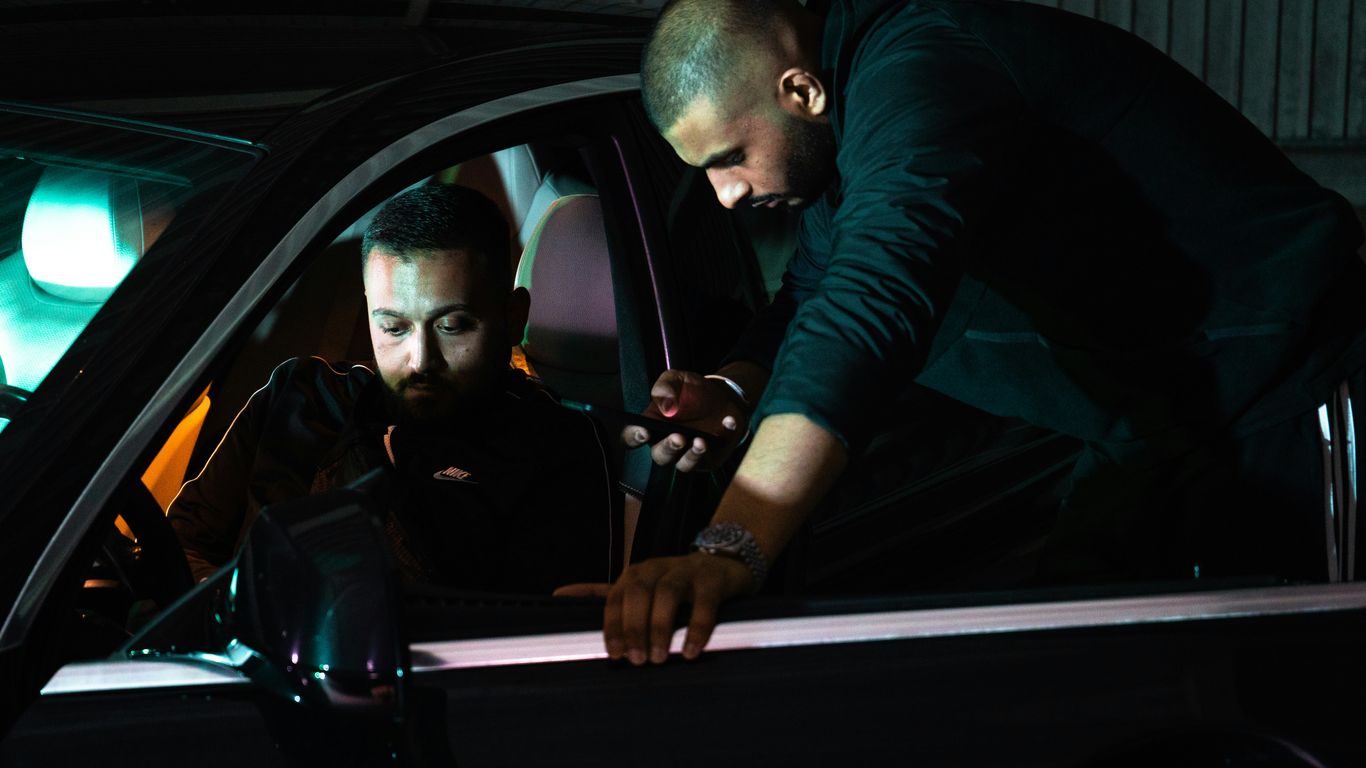
A mobile technician can meet you at a driveway, parking lot, roadside location, or workplace instead of requiring you to move the vehicle first. This is especially useful when the keys are locked inside but the vehicle itself has no mechanical problem. Give precise directions, remain in a safe place, and keep your phone available for arrival updates.
Double Quick Locksmith provides mobile automotive service across Oʻahu, including Hawaii Kai, with technicians coming directly to the vehicle. The service is intended for on-site help rather than asking a driver to transport an inaccessible car.
Avoiding dealership delays and towing costs
A dealership may be the right choice for some manufacturer-specific matters, but it can involve scheduling, transport, and waiting. When the immediate need is entry, key replacement, programming, or an ignition concern, a mobile automotive locksmith may handle the issue at the vehicle’s location. Ask for pricing before work begins so you can compare the practical options.
The car lockout service page describes mobile entry, key retrieval, on-site duplication, and upfront pricing. Those details help explain why a lockout does not automatically require a tow.
Handling rental cars near the airport
Rental vehicles create an extra step because the driver may not own the car. Have the rental agreement and company contact information ready, and check whether the rental company has instructions for lost keys or locked doors. A locksmith should know that the vehicle is rented before beginning service.
For a rental near the airport, a mobile visit may be more convenient than arranging a tow to a rental counter. Authorization and payment responsibility should be clarified first, particularly if a key must be replaced or programmed.
Supporting luxury and imported vehicles
Luxury and imported vehicles may use specialized keys, proximity systems, or sensitive trim and lock components. Tell the technician the exact make, model, and year rather than describing the car only by its class. That information helps determine whether the technician has the appropriate equipment and experience.
Double Quick Locksmith’s automotive service information specifically includes specialized service for luxury and imported cars. The same careful approach applies: assess the vehicle first, use suitable tools, and explain any limitation before work begins.
What to do while waiting for a locksmith
The time before help arrives is a chance to make the scene safer and prepare useful information. Move away from moving traffic when possible, especially if the vehicle is on a busy road. Do not make the situation worse by trying to force the door or window.
Move to a safe, visible location
If the vehicle is in a parking lot, stand where the technician can see you without placing yourself between moving cars. On a roadside, stay as far from traffic as conditions allow and use hazard lights if they can be activated safely. At night, choose a well-lit area and share a landmark with the locksmith.
A visible location helps with both personal safety and a quicker handoff. If you must leave the vehicle, tell the technician exactly where it is and whether it is locked.
Avoid damaging the door or window
Do not use coat hangers, wedges, screwdrivers, or improvised wires to pull a lock. These attempts can damage weather stripping, wiring, airbags, glass, or the locking mechanism. For practical guidance on safe next steps, lockout safety advice explains why checking the situation and avoiding DIY damage matter.
While waiting, confirm that every door is locked and that no spare key is with another person nearby. Then leave the vehicle alone until the technician arrives.
Gather identification and vehicle information
Have your driver’s license, registration, insurance information, and rental agreement available when relevant. You should also gather the vehicle make, model, year, color, license plate, and exact location. This makes the ownership or authorization check easier and helps the technician prepare.
A few details can make the call more efficient:
- Whether the key is inside, lost, broken, or in the trunk.
- Whether the vehicle uses a transponder, remote, or push-to-start fob.
- Whether any person or pet is inside the vehicle.
- Whether the vehicle is blocking traffic or parked in a restricted area.
Once those details are ready, keep your phone nearby and avoid changing the vehicle’s position. Clear information is often more useful than repeated attempts to solve the lockout yourself.
Keep children and pets away from traffic
Children and pets should stay with a responsible adult in a secure, visible place while you wait. Never leave a child or animal unattended in a hot vehicle. If there is immediate medical danger, call emergency services rather than waiting for a routine locksmith appointment.
For ordinary lockouts, keeping everyone away from the roadway reduces the risk of a second emergency. Let the locksmith know if a child, pet, or vulnerable person is involved so the urgency is understood.
Choosing a reliable Hawaii Kai car lockout provider
A reliable provider should communicate clearly before arriving and explain what the technician will do at the vehicle. Look for emergency availability, mobile coverage, transparent pricing, and appropriate credentials. Reviews can be useful, but the immediate conversation should also give you a clear sense of the process.
Confirming 24/7 emergency availability
Lockouts do not follow business hours, so ask whether help is available at the time you need it. Confirm that the provider handles automotive lockouts rather than only residential or commercial doors. It is also worth asking whether after-hours pricing or service conditions differ.
Double Quick Locksmith describes 24/7 mobile automotive locksmith service across Oʻahu. Availability should still be confirmed when you call, along with the vehicle type and location.
Asking about response times and service coverage
Ask whether Hawaii Kai and your specific location are within the provider’s active coverage area. A useful response estimate depends on the technician’s current workload, traffic, and exact destination. Give a landmark such as Koko Marina Center or a nearby cross street to make the estimate more practical.
Do not rely on a vague promise that someone will eventually arrive. A clear provider should explain how arrival updates work and what information the technician needs from you.
Requesting upfront pricing
Before authorizing work, ask what the service call covers and whether entry, key replacement, programming, extraction, or ignition work is priced separately. A simple door unlock may not cost the same as creating and programming a new smart key. Clear pricing helps you choose without pressure.
Double Quick Locksmith’s Hawaii Kai service information emphasizes upfront pricing. Even then, ask whether a change in scope will be discussed before additional work begins.
Checking guarantees and technician credentials
Ask whether the technician is licensed and insured where applicable, arrives in a marked vehicle, and can provide identification. You can also ask about workmanship coverage for a replacement key or completed service. These checks are reasonable when someone is working on a valuable vehicle.
The local service information for Hawaii Kai automotive help describes highly trained technicians, mobile service, and a 30-day guarantee on keys. Match those documented details to the service you are requesting, and keep any receipt or warranty information.
Areas and situations served around Hawaii Kai
Hawaii Kai includes busy commercial areas, residential streets, waterfront locations, and roads connecting East Oʻahu with Honolulu. A lockout may happen at home, beside a marina, in a shopping center, or during a roadside stop. Precise location details help a mobile technician find the vehicle and choose a safe place to work.
Lockouts near Koko Marina Center
A busy shopping and dining area can make it easy to lose track of keys while carrying bags or moving between the car and a business. Give the parking area, store, entrance, row, or nearby landmark rather than only saying “Koko Marina.” Stay clear of reversing vehicles and keep the vehicle visible if possible.
If the keys are in the trunk or the vehicle is a rental, mention that immediately. Those details can change the service plan.
Assistance along Kalanianaʻole Highway
A lockout along Kalanianaʻole Highway requires extra attention to traffic and visibility. If you can safely move to a shoulder or nearby public area, do so; otherwise, tell the locksmith the direction of travel, nearest intersection, and any recognizable landmark. Do not stand in the travel lane while waiting.
The East Oʻahu locksmith resource reflects the kind of automotive situations commonly associated with this area, including door unlocking, key replacement, ignition repair, and key extraction. Your exact location and vehicle still determine what service is appropriate.
Help at homes, workplaces, and parking lots
A mobile locksmith can meet drivers at a private driveway, workplace, apartment parking area, or public lot. At a private property, make sure you have permission to authorize work on the vehicle. At a workplace or commercial lot, follow the property manager’s safety instructions.
Parking structures can make phone location services less precise, so provide the level, section, stall number, and nearest elevator or ramp. Those small details save time when a vehicle is difficult to spot.
Coverage across East Oahu and Honolulu
Drivers may need help beyond Hawaii Kai, including nearby East Oʻahu communities or Honolulu destinations. Ask about coverage before relying on an arrival estimate, especially if the vehicle is near a boundary or has been left at another location. A mobile provider should confirm the destination rather than assume the original location.
Double Quick Locksmith describes service across Honolulu and Oʻahu, including Hawaii Kai and East Oʻahu. The same basic preparation applies anywhere: stay safe, share accurate vehicle details, and ask for clear pricing before work begins.
Get Help With Your Lockout
If you are locked out in Hawaii Kai, contact a mobile automotive locksmith and share your exact location, vehicle details, and the kind of key problem you are facing. You can also request service when you are ready to discuss the next step.
Conclusion
A car lockout in Hawaii Kai does not always require a tow or a long trip to a dealership. With a careful assessment, non-destructive entry methods, and the right support for keys, fobs, or ignition problems, a mobile locksmith can help restore access where the vehicle is parked. Stay visible, avoid improvised entry attempts, and provide clear information so the service can begin safely.
Frequently Asked Questions
Can a locksmith open a car without damaging it?
A qualified automotive locksmith generally begins with non-destructive entry methods suited to the vehicle. The exact approach depends on the lock system, vehicle condition, and circumstances of the lockout.
What should I do if my keys are locked in the trunk?
Tell the locksmith that the keys are in the trunk before service begins. Avoid forcing a door or trunk seal, since improvised entry can damage the vehicle and complicate access.
Can a locksmith help with a dead key fob?
A locksmith may be able to help with access, battery-related issues, or a replacement or programming need. The available solution depends on the vehicle’s make, model, year, and key system.
Is towing necessary for a car lockout?
Towing may not be necessary when the vehicle is otherwise drivable and the problem is limited to access or a key. A mobile locksmith can assess whether the issue can be addressed at the vehicle’s current location.
What information should I provide when calling?
Provide your exact location, vehicle make and model, license plate if available, and whether the key is inside, lost, broken, or electronic. Also mention whether a child or pet is inside and whether the vehicle is creating a traffic hazard.
Can a locksmith replace a lost car key on-site?
Some lost keys can be replaced at the vehicle’s location, while others require specific equipment or authorization. Ask about the key type and programming requirements when you call.
How can I avoid another vehicle lockout?
Consider keeping a spare key in a secure and accessible place, checking that your key fob battery is working, and avoiding placing keys inside the trunk while loading. If a key is worn or damaged, replace it before it fails completely.