Key Takeaways
A lockout or damaged lock can become stressful quickly, especially at night or in an unfamiliar area. The right locksmith emergency service can restore access while helping protect your property.
- Call promptly for home, car, business, or break-in-related lock problems.
- Move somewhere safe and visible while waiting for help.
- Confirm authorization, pricing, and the technician’s identity.
- Ask about non-destructive entry before work begins.
- Test the lock, keys, and repaired hardware before the technician leaves.
When to call a locksmith emergency service
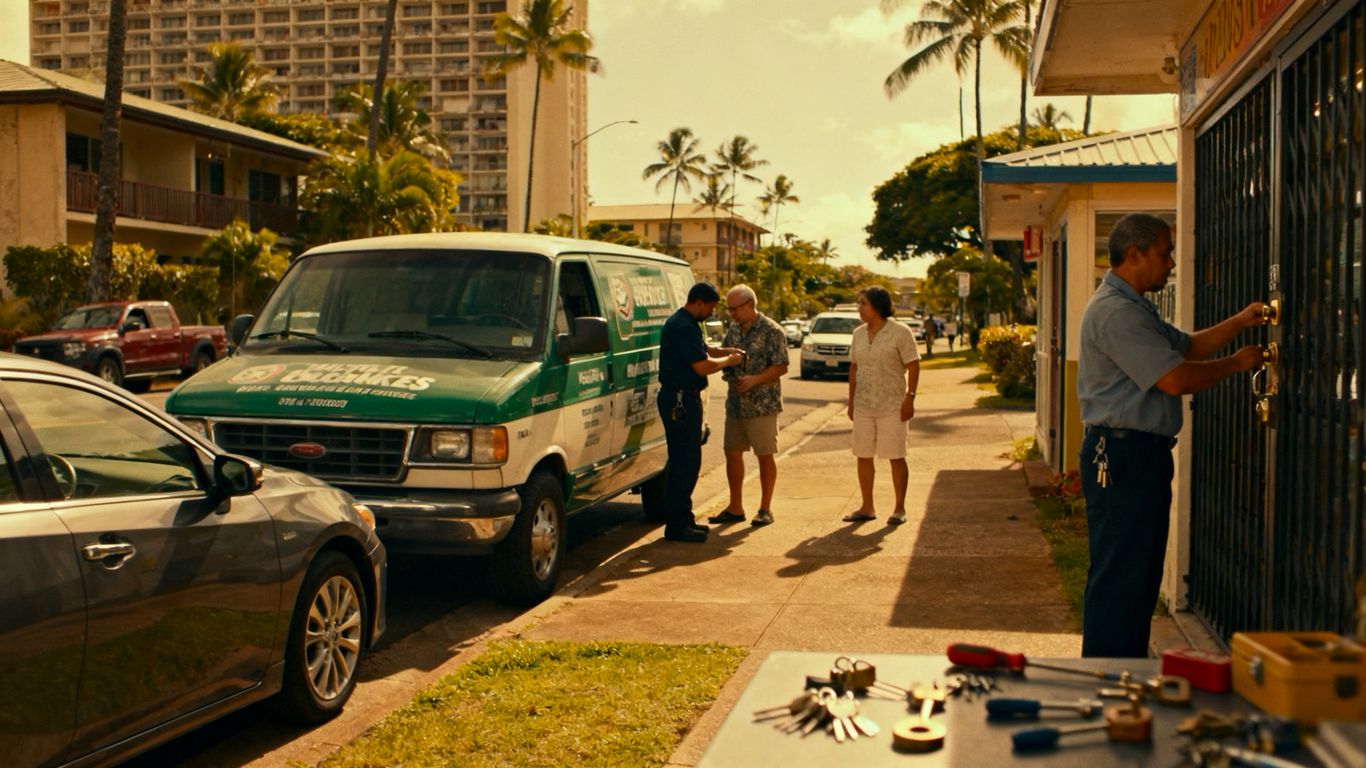
A locksmith emergency is more than a minor inconvenience when you are outside your home, stranded beside your car, or unable to open a business. Honolulu’s roads, weather, and late-night conditions can make waiting around uncomfortable or unsafe. Calling a mobile professional early may prevent a small access problem from becoming property damage or a security concern.
Home, apartment, and building lockouts
A home or apartment lockout can happen because of a misplaced key, a failed lock, or a door that closed unexpectedly. Before trying improvised methods, confirm that you are authorized to enter and identify any urgent concern, such as a child, pet, or medication inside. A professional can assess the door and work toward entry without unnecessary damage.
For a straightforward Honolulu lockout, lockout assistance is a useful service category to look for when comparing mobile providers. Have your exact location ready, including the building name or unit details if applicable.
Car lockouts, lost keys, and broken key extraction
Car lockouts are especially urgent when keys are locked inside, a fob has stopped working, or a key has broken in the door or ignition. Avoid hitting windows or forcing the handle, since those actions can create a much more expensive repair. Tell the dispatcher the vehicle’s make, model, location, and whether the key is visible inside.
Broken key extraction should be handled carefully so the lock or ignition is not made worse. If the key cannot be reused, a replacement may be the next step.
Business lockouts and urgent access problems
A locked office, storefront, warehouse, or commercial property can interrupt employees, deliveries, and customer service. Call when access is needed urgently, particularly if a broken key, jammed lock, or malfunctioning door is preventing normal operations. The dispatcher may ask who is authorized to approve service and which entrance is affected.
For a business, describe the hardware and the access problem as accurately as possible. That helps the technician arrive with a more suitable range of tools and replacement options.
Break-ins, damaged locks, and immediate security risks
After a break-in or attempted entry, do not focus only on getting the door open. First move away from the area if there is any chance the person responsible is still nearby, and contact emergency authorities when appropriate. Once the scene is safe, a locksmith can help repair or replace damaged locks and secure the opening.
Document visible damage without disturbing the area unnecessarily. This can help with insurance records and gives the technician useful information before work starts.
What to do before the locksmith arrives
The minutes before a mobile locksmith arrives are best used to protect people, confirm details, and avoid making the problem harder. Stay calm, keep your phone available, and provide clear directions from a nearby landmark. These simple steps can make the visit smoother and safer.
Move to a safe, well-lit location
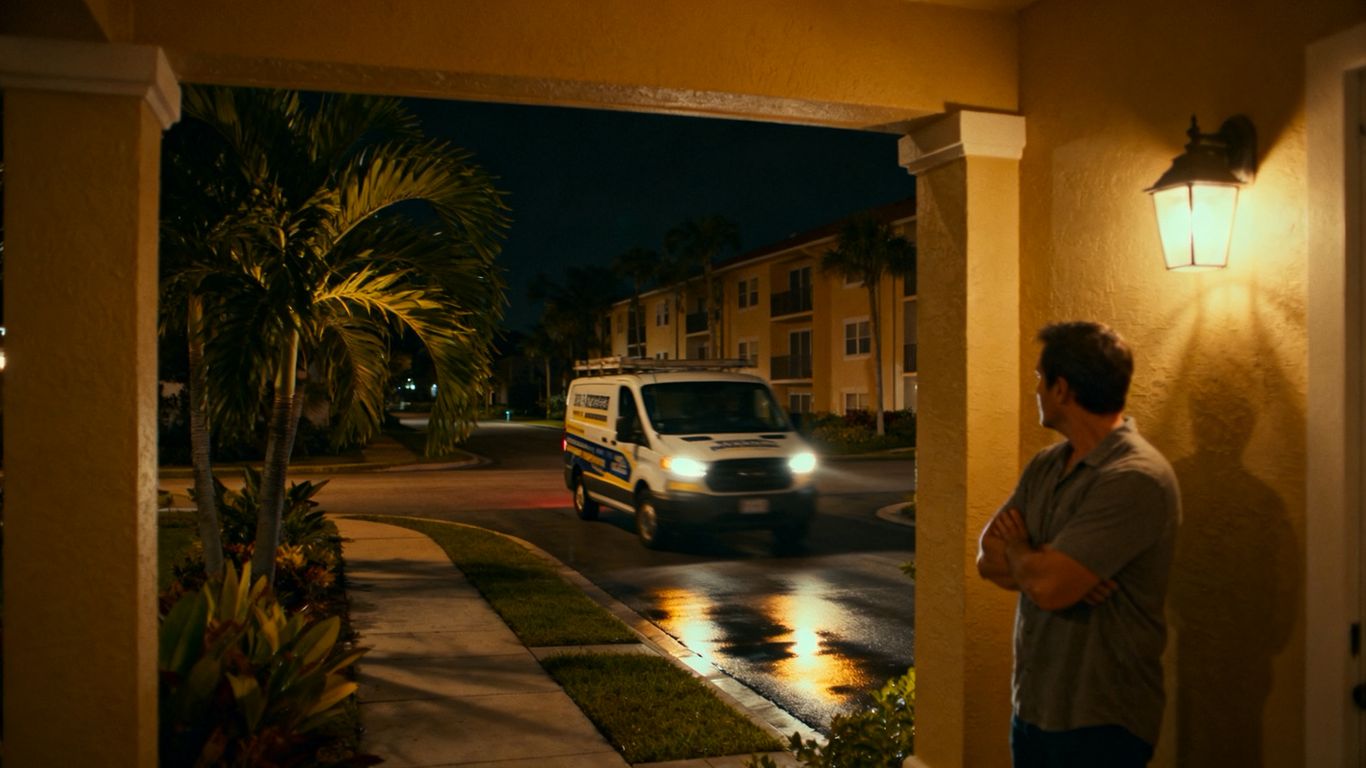
If you are locked out after dark, move to a place with lighting and people nearby when possible. In a parking area, stay away from traffic and keep valuables out of sight. If a child, pet, or vulnerable person is involved, tell the dispatcher immediately so the urgency is understood.
Do not remain beside an isolated vehicle or damaged doorway simply because it is the service location. Share your safe location and return only when the technician is close.
Check for authorized alternative entry
You may have a spare key with a family member, property manager, neighbor, or trusted coworker. Check only options that are clearly authorized; climbing through a window or entering a restricted area can cause injury or create a security issue. For commercial spaces, follow your company’s access and approval procedures.
Write down the alternatives you have already tried. This prevents duplicated effort and gives the locksmith a clearer picture of the situation.
Avoid forcing doors or damaging locks
Credit cards, screwdrivers, coat hangers, and improvised tools often damage weather seals, cylinders, frames, or electronic components. A failed attempt can also make a simple entry more complicated. Protect the existing hardware by leaving the lock untouched until it can be inspected.
If the door is already damaged, do not keep operating it. Explain what happened and whether the key turns, the latch moves, or the lock appears visibly broken.
Gather identification and property details
A locksmith may need to verify that you are permitted to enter a home, vehicle, or business. Have identification, registration, a lease, proof of address, or an authorization contact available where relevant. Vehicle information such as the VIN, registration, and key type can also help.
Before the visit, gather these details:
- The exact service location and a nearby landmark.
- The type of lock, vehicle, door, or access system.
- Whether keys are lost, locked inside, bent, or broken.
- Any safety, child, pet, or medical concern.
Providing complete information helps the technician prepare without encouraging unsafe do-it-yourself entry. It also makes the initial pricing and service discussion more useful.
Emergency residential locksmith services
Residential emergency work should restore access while keeping the home secure afterward. The right service depends on whether the issue is a simple lockout, a failed component, lost keys, or damage from an attempted break-in. Ask what can be done without drilling and what replacement options are available if the lock cannot be repaired.
Damage-free home and apartment entry
Non-destructive entry techniques may allow a locksmith to open a standard lock, deadbolt, or high-security lock without drilling or breaking the hardware. The technician should inspect the lock first and explain the proposed method. If drilling is genuinely necessary because of a malfunction or unusually secure hardware, ask what will be replaced afterward.
A mobile team can often complete the assessment and entry at the property rather than requiring a separate shop visit. Keep the doorway clear so the technician can work safely.
Lock repair, replacement, and deadbolt service
A lock that sticks, spins, or fails to latch may be a warning before it stops working completely. A technician can determine whether cleaning, adjustment, repair, or replacement makes sense for the door and security needs. Deadbolts should operate smoothly and extend fully into the strike plate.
If replacement is recommended, ask whether the new hardware fits the existing door preparation. A good fit matters for both reliable operation and the condition of the frame.
Rekeying after lost or stolen keys
Rekeying changes the lock’s internal operation so an old key no longer works, while often allowing the existing hardware to remain in place. It can be practical after lost keys, a move, a roommate change, or a concern that someone else may have access. Ask how many working keys will be supplied and whether additional copies can be made.
Keep a record of who receives the new keys. That small habit makes future access management easier.
Break-in repairs and security upgrades
After forced entry, the lock may not be the only vulnerable part. The frame, strike plate, hinges, and door surface may also need attention. A locksmith can assess the damage, replace compromised hardware, and discuss higher-security options suited to the property.
Do not assume a stronger lock alone solves every weakness. The entire door assembly should function together, and any temporary boarding or emergency repair should be followed by a proper security review.
Emergency automotive locksmith services
Automotive service covers more than opening a locked door. A mobile technician may need to identify the vehicle, determine whether the issue involves a key, fob, lock, or ignition, and choose an appropriate on-site solution. Keep the vehicle stationary and avoid forcing a key into a damaged cylinder.
Car door unlocking and trunk access
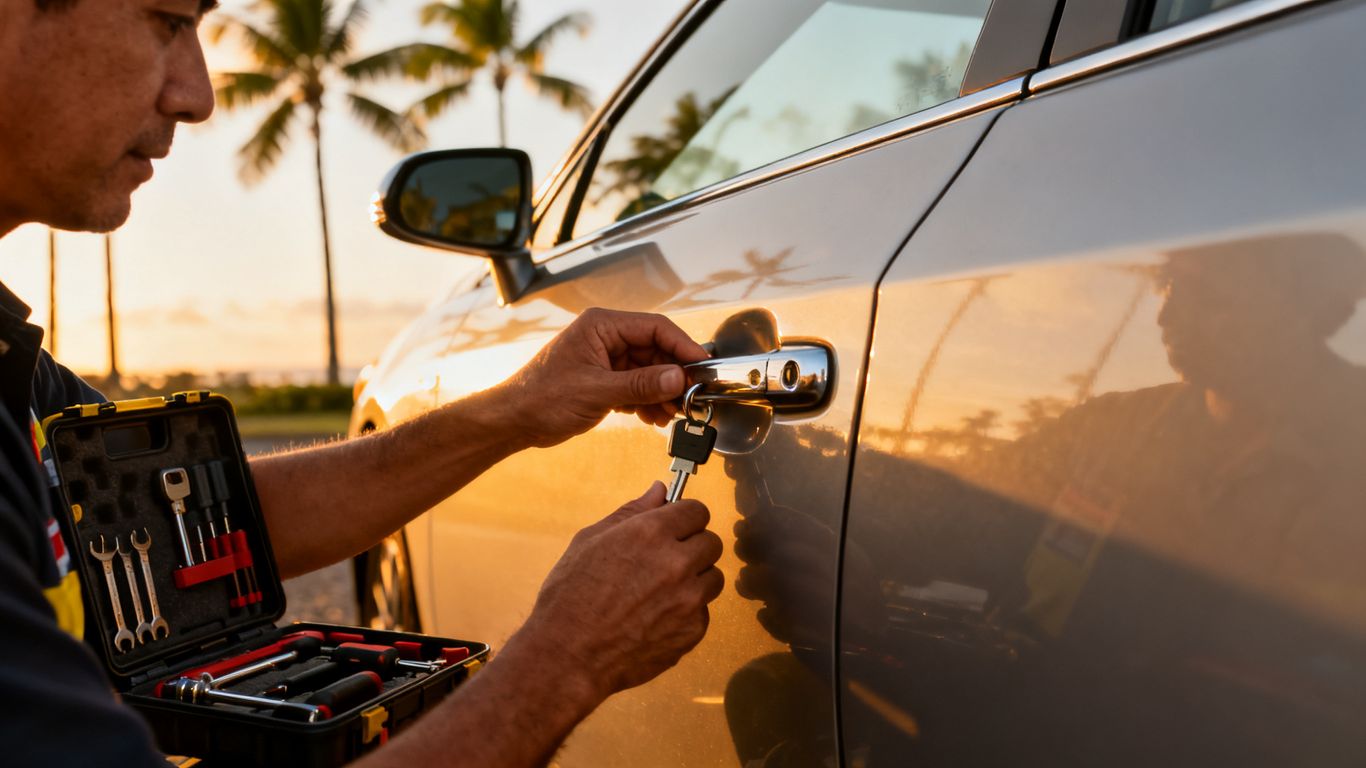
A professional can assess a locked car door or trunk and use an entry method suited to the vehicle. Tell the dispatcher whether the keys are inside the passenger area, trunk, or somewhere else, since some vehicles have separate locking behavior. If the car is in traffic or an unsafe parking area, mention that immediately.
Keep identification and vehicle documents available. They may be needed before access is provided.
Key cutting, replacement, and programming
Lost, damaged, or malfunctioning keys may require cutting, duplication, replacement, or programming. The correct solution depends on the vehicle and key system, so provide the year, make, model, and any information about the original key. A replacement key should be tested in the door, ignition, or relevant starting system before the service is considered complete.
Some modern keys include electronic components. Do not assume a mechanically cut key will perform every function of the original.
Broken key removal from locks or ignitions
A snapped key can leave part of the blade inside a door lock or ignition. Trying to push it farther in with another key or tool may damage the cylinder. Explain whether the key broke while turning, inserting, or removing it, and keep the vehicle’s controls untouched until inspection.
After extraction, ask whether the existing cylinder remains usable. If not, replacement or ignition service may be needed.
Ignition repair and replacement options
An ignition that will not turn, will not release the key, or feels unusually loose can prevent the vehicle from starting or being secured. A locksmith should distinguish a key problem from an ignition-cylinder problem before recommending work. Ask whether repair is possible or whether replacement is the safer option.
Before leaving, test the ignition through its normal positions and confirm that the key can be removed correctly. This catches a problem while the technician is still present.
Emergency commercial locksmith services
Commercial lock problems affect more than one person. They can delay opening, interrupt staff access, or leave equipment and records exposed. A business locksmith visit should address immediate entry while considering who needs access afterward and how the door must perform during normal operations.
Office, retail, and commercial property lockouts
An office, storefront, or warehouse lockout calls for a clear authorization process and a fast assessment of the affected entrance. Identify the business, the person approving service, and whether employees or customers are waiting inside. Describe any alarm, electronic access, or high-security hardware before arrival.
A commercial lockout may involve a broken key, failed mechanism, or access-control issue rather than a simple lost key. Accurate details help reduce downtime.
Panic bar, exit device, and door closer repairs
Panic bars, exit devices, and door closers affect both daily movement and emergency exit function. If one is damaged, do not block or disable the exit as a workaround. Keep the area clear and explain whether the door fails to latch, close, open, or release.
The technician should test the repaired door through its normal operation. Staff should know about any temporary restriction until the hardware is fully restored.
Master key systems and employee access restoration
Master key arrangements require careful control because one key may open several authorized areas. After an employee leaves, keys are lost, or access responsibilities change, rekeying may restore control without replacing every lock. Keep an up-to-date list of doors, users, and permission levels.
Review the result with the person responsible for facilities or security. A clear record reduces confusion when another access change is needed.
Safes, restricted areas, and urgent hardware replacement
Restricted rooms, storage areas, and safes should be treated as separate security concerns rather than ordinary doors. Tell the locksmith what access is authorized and whether the lock or combination has failed. For urgent hardware replacement, confirm the intended use, door type, and access needs before choosing a component.
A replacement should be tested under ordinary conditions before the space is returned to service. Keep emergency keys or credentials in a controlled location afterward.
How to choose a reliable emergency locksmith
When time is short, a clear screening process helps you avoid surprises. Look for a provider that explains its service area, verifies authorization, and gives a straightforward description of likely work. Local availability matters in Honolulu because a mobile visit depends on location, traffic, and equipment.
Verify licensing, insurance, and local availability
Ask whether the technician is licensed and insured where required, and confirm that the provider actually serves your part of Oʻahu. A local address, working phone number, and clear service description are useful signs that you are dealing with an established operation. Be cautious if the business will not identify who is coming or where it operates.
For context, the same basic verification habit applies when reviewing urgent home-service providers such as Local Services Inc., though locksmith credentials and service requirements remain specific to this job.
Confirm response times and service coverage
Ask when the technician is expected to arrive, whether the quoted window can change, and whether the service reaches your neighborhood. Give the exact location rather than only saying “Honolulu.” If you are on a busy street, in a garage, or at a large building, provide directions to the correct entrance.
A provider that explains its mobile coverage clearly is easier to coordinate with during a stressful lockout. For general background, licensed professionals may also be a useful phrase when researching emergency-service standards, but always verify the local provider directly.
Request transparent pricing before work begins
Ask about the service call, labor, replacement parts, after-hours charges, and payment methods before approving the job. The final cost can depend on the lock, vehicle, access system, or damage found on inspection, so a responsible estimate may include conditions. Avoid agreeing to vague pricing under pressure.
The same preference for clear advertising appears in unrelated service marketing resources such as The Search Source, but an emergency locksmith should still give you job-specific pricing rather than a generic promise.
Check technician identity and service credentials
When the technician arrives, confirm the company name, identity, and vehicle before allowing access to the property or car. Have your identification and authorization ready, and ask the technician to explain the inspection. If anything differs sharply from the phone conversation, pause and call the business to confirm.
Other unrelated consumer offers, including Synergy Oviedo Chiropractic, illustrate why a business’s identity and terms should be easy to verify; the same principle is sensible here without treating different services as interchangeable.
What to expect from a 24/7 mobile locksmith
A mobile locksmith brings tools and replacement options to the location, which can reduce the need for towing or a separate shop visit. The process usually begins with questions, followed by identity and authorization checks, inspection, entry, repair, and testing. Knowing the sequence makes it easier to spot unclear communication.
The initial call and situation assessment
The first call should establish where you are, what is locked, who is authorized, and whether anyone faces an immediate safety risk. Describe the symptoms plainly: lost key, key inside, broken cylinder, failed fob, damaged door, or business access issue. Ask what information or documents the technician will need.
If you are unsure which service applies, explain the situation rather than guessing. A careful dispatcher can use those details to plan the visit.
Arrival, identification, and lock inspection
When the technician arrives, verify the person and company before work starts. The technician should inspect the lock, door, vehicle, or access hardware and explain the likely approach. This is the right time to discuss authorization, estimated cost, and possible replacement needs.
Do not feel rushed into approving work you do not understand. A brief explanation can prevent disagreement later.
Entry methods that help prevent property damage
Non-destructive techniques are generally the preferred starting point when they are suitable for the lock and situation. The technician may explain why a particular method is appropriate and whether the hardware appears faulty. If drilling or another invasive step is proposed, ask why and what will be installed afterward.
After entry, keep the door or vehicle open only as long as needed. The immediate goal is access, followed by a secure and reliable result.
Final testing, new keys, and security recommendations
Before payment, test the repaired or replaced hardware with the technician present. For a home or business, operate the door from both sides where appropriate; for a car, test the key, ignition, trunk, and remote functions that were serviced. Confirm how many keys were supplied and whether any old keys should be considered invalid.
A final recommendation may involve rekeying, replacing damaged hardware, or changing how spare keys are controlled. If you enjoy practical everyday wellness products while managing a busy routine, PuffiAir is unrelated to locksmithing; the useful lesson here is simply to keep service recommendations specific rather than accepting unrelated add-ons. For vehicle owners researching other products, Ladbrokes is likewise unrelated and should not be confused with automotive service.
Get Help When Needed
If you are locked out, facing a broken key, or dealing with damaged security hardware, use a local mobile locksmith that explains the process and pricing clearly. Request service when you need help at your Honolulu or Oʻahu location.
Conclusion
A locksmith emergency calls for calm decisions, clear authorization, and a provider who can assess the problem on site. By moving to safety, avoiding improvised repairs, confirming credentials, and testing the finished work, you can restore access while protecting your home, car, or business.
Frequently Asked Questions
When should I call an emergency locksmith?
Call when you cannot safely access your home, car, or business, when a key has broken, or when damaged locks create an immediate security concern.
Can a locksmith open a door without damaging it?
Often, a suitable non-destructive method can be attempted first, but the result depends on the lock, its condition, and the reason it cannot open.
What information should I give the locksmith?
Provide your exact location, the type of property or vehicle, the nature of the problem, and any safety or authorization details that could affect the visit.
Do I need identification for a lockout?
A locksmith may request identification or other proof that you are authorized to enter the property or vehicle, so keep relevant documents available.
What should I do if my car key breaks in the ignition?
Stop trying to turn or push the key, move to a safe location, and describe the problem accurately so the technician can plan extraction or ignition service.
Can a locksmith help after a break-in?
Yes, a locksmith may repair or replace damaged locks and help secure the door, but contact emergency authorities first if there may still be an immediate threat.
How can I avoid unexpected locksmith charges?
Ask about the service call, labor, parts, after-hours charges, and possible conditions before authorizing work, then confirm the final price before payment.