Key Takeaways
Modern vehicle computers often fail due to environmental or electrical factors, making professional cloning a cost-effective alternative to dealership replacements.
- ECU cloning allows technicians to transfer sensitive vehicle data, including security codes and VINs, to a new or donor module.
- Our Double Quick Locksmith services help island drivers avoid the logistical nightmare of towing immobile vehicles to dealerships.
- Common issues like start-authorization faults and synchronization failures are frequently resolved through precise data-transfer procedures.
- Utilizing OEM-grade tools ensures that vehicle network communication and anti-theft protocols remain fully functional after service.
- Professional cloning provides a faster, more reliable solution for obsolete modules that would otherwise remain unavailable, saving time and money.
Understanding ECU cloning and its role in vehicle repair
When a car refuses to start despite having a healthy battery, the fault often hides deep within the vehicle’s electronic architecture. Understanding the specialized nature of these electronic units helps owners recognize why a simple part swap is rarely enough to restore functionality. For those seeking a professional ECU cloning service in Hawaii, the process involves carefully reading proprietary data and injecting it into a working donor unit to restore internal harmony.
How the engine control unit manages modern vehicle performance
The Engine Control Unit acts as the central brain of any modern automobile, constantly processing thousands of data points from various sensors. It regulates fuel injection timing, ignition cycles, and emissions performance in a fraction of a second to ensure efficiency. When this unit falters, the entire vehicle performance strategy collapses, frequently resulting in a no-start condition or erratic engine behavior.
The technical differences between flash reprogramming and digital data cloning
Flash reprogramming is the base process of updating the operational software within a control unit to version-matched calibration files. Digital data cloning, however, is significantly more intensive, as it involves mapping the entire EEPROM and Flash memory structure from one unit to another. This ensures that the replacement module adopts the original’s exact identity, including immoblizer keys and configuration settings, making it a plug-and-play solution.
Why cloning serves as the primary solution for obsolete or backordered modules
Supply chain issues and model-year aging often result in specific electronic parts becoming impossible to source new from a dealer. When a part reaches a status of being backordered for weeks or months, cloning allows a used component from a compatible donor vehicle to be repurposed. This maintains the original system integrity without forcing vehicle owners to wait indefinitely for new inventory.
Common vehicle issues solved by ECU cloning
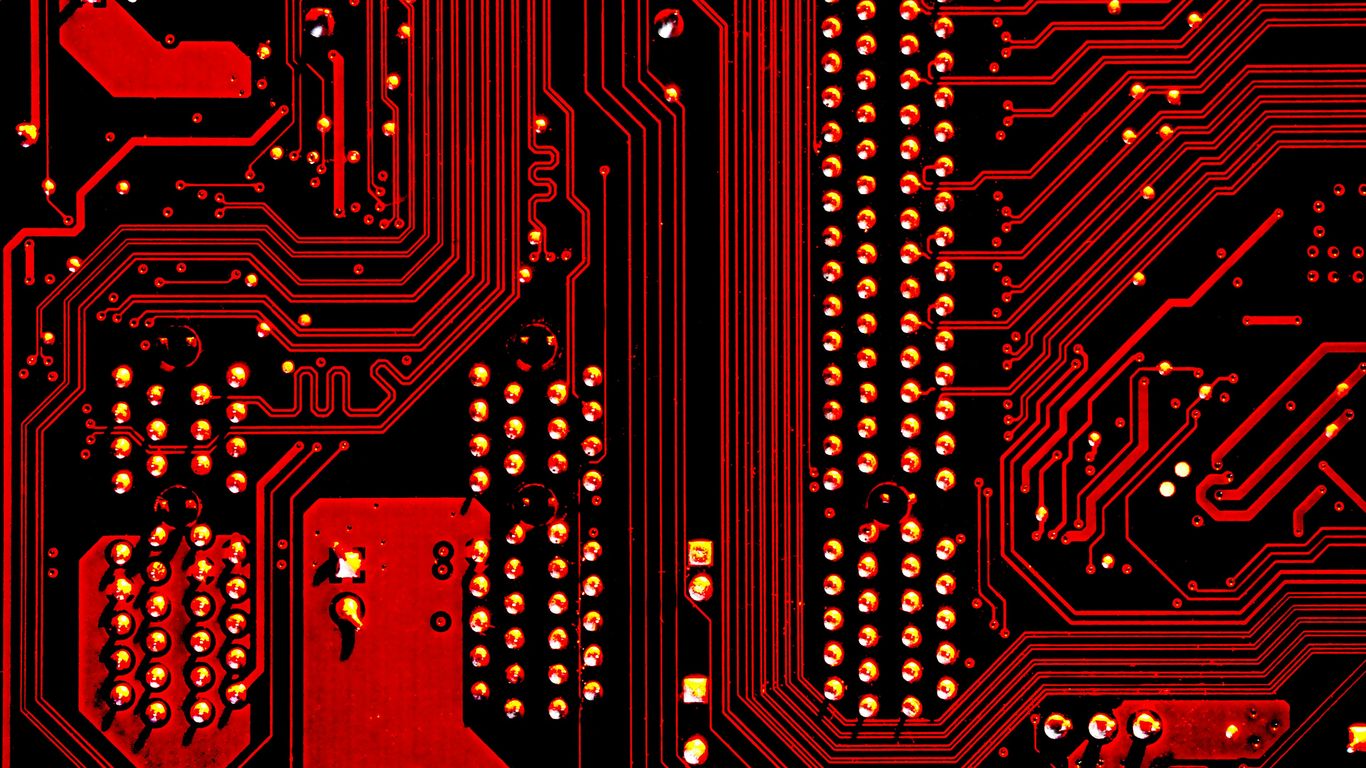
Many drivers find themselves stuck in a cycle of failed diagnostics when they treat digital control units like traditional mechanical parts. Rather than simply replacing a unit and hoping the dashboard lights go out, expert technicians focus on the data handshake between components. Dealing with ECU programming and cloning ensures your car’s electronic handshakes remain intact even after hardware failure.
Recovering from start-authorization and immobilizer communication faults
Start-authorization errors are common in luxury vehicles where the security module demands a specific handshake from the engine computer before allowing ignition. If these two components lose their common frequency or security key, the engine stays locked regardless of how many times you turn the key. Cloning ensures the security handshake codes remain preserved in the new module.
Restoring synchronization failures following battery or alternator replacements
Electrical surges triggered by jump starts or alternator malfunctions can cause a massive data wipe in the Body Control Module or ECU. This leads to a loss of sync between the key fob and the vehicle’s immobilizer array, manifesting as a locked-out car. By performing a data-safe clone, we restore the original synchronization parameters exactly as they existed before the electrical fault.
Mitigating digital corruption caused by water damage or incomplete software flashes
Water intrusion into cabin-mounted modules often leaves the hardware corroded and the firmware corrupted beyond external salvage. Likewise, interrupted software updates can leave a module partially flashed and unable to boot up. Recovering data from these units requires precise hardware reading, which, when successful, allows for the data to be migrated to a dry, functional donor module.
Why mobile ECU services are superior for island drivers
Navigating Oʻahu with a non-running luxury vehicle often means facing high towing costs and the stress of leaving your car at a dealership for days. Bringing professional automotive locksmith services directly to your driveway removes these logistical barriers and keeps you in control during the repair process. Mobile technicians provide the flexibility needed to perform complex work in any safe location.
Eliminating the logistical cost of towing luxury and exotic imported vehicles
Towing a modern car with a locked transmission or non-communicating ECU is risky, as it can cause damage to wheels or sensors if handled incorrectly. By mobile-enabling our diagnostic tools, we eliminate the need for heavy flatbed services entirely. This keeps your vehicle stationary and secure until we turn the key and hear the engine fire up.
Coordinating dealer-level diagnostic precision directly at your home or shop
Many drivers assume that only a dealership has the tools to code a new brain to their vehicle’s chassis. In reality, our mobile service vans host the same high-end diagnostic platforms used by service centers, including tools like AutoHex. This brings shop-quality outcomes to your location without the inflated costs associated with dealership overhead.
Shortening overall repair timelines by bypassing traditional dealership queues
Dealership service centers are often booked weeks in advance, forcing you to find alternative transport while you wait for a service slot. By bypassing these traditional queues, we provide direct service that typically takes a matter of hours. This efficiency is critical for business owners who rely on their fleet daily and individuals who need a functioning vehicle to get to work.
The technical process of professional module cloning
Cloning is not a task for budget hardware or guesswork, as the risk of bricking a unit is high. Achieving a professional result requires a deep understanding of memory structures and circuit board layouts to ensure successful data migration.
Extracting EEPROM, Flash, and MCU data from damaged control units
The fundamental step involves physical access to the module’s micro-memory chips. Using specialized interfaces, technicians carefully read the binary code directly from the memory registers within the micro-controller unit. This allows us to duplicate not just the software version, but the unique operational history of your specific control unit.
Ensuring VIN, immobilizer, and security configuration remain intact
If you simply swap a module without cloning, the car will see the new computer as a foreign object, causing a VIN mismatch or security lock. By cloning original configuration data, we ensure that the vehicle sees no discrepancy between the module and its own central gateway. This is what keeps your factory-integrated anti-theft system operational and satisfied.
Verification stages for confirming module-to-vehicle network communication
Once the donor unit is programmed, the job isn’t finished until the new hardware communicates flawlessly with the vehicle’s Controller Area Network. We run a diagnostic scan to verify that all sensors, ignition switches, and key immobilizers are reporting clear, consistent signals. This validation step ensures no hidden faults emerge immediately after the vehicle hits the road.
Choosing an expert provider for your module repair
Selecting the right technician is the difference between a functional vehicle and a costly paperweight. Because the electronics industry is full of budget programming tools that can potentially crash an ECU, prioritize providers with a reputation for precision. If you are ready to book expert services, always verify that they have the right equipment for your specific model.
Evaluating service capabilities with OEM-grade tools like AutoHex and iO Terminal
Professional providers must utilize industry-standard, high-fidelity programming interfaces to ensure data stability during writes. Tools like AutoHex or iO Terminal handle complex encryption algorithms that cheaper platforms simply cannot navigate. These platforms ensure the integrity of the data migration for advanced European or imported vehicle systems.
Verifying the importance of written estimates and workmanship warranties
A reputable business stands behind its internal repairs with a clear estimate detailing the scope of technical work. You should always receive a transparent overview of what is being programmed and why, accompanied by a warranty that protects your investment in the repair. Avoid any service that refuses to provide a written commitment to their work or the parts used.
Identifying the risks associated with non-professional attempts using budget hardware
Attempting to clone an ECU with cheap imitation hardware often leads to incomplete data writing or corrupted chip sectors. This can permanently lock the donor module, making it unusable and effectively wasting your money. The cost of a professional service is far lower than the price of rectifying a DIY failure on a sensitive electronic module.
Legal and safety considerations for local ECU services
Regulatory compliance is a quiet but essential part of the modern automotive repair landscape. We operate within strict parameters to ensure that we maintain system security while helping our clients get back on the road. We view our job as a reliable locksmith task, ensuring your vehicle is restored safely.
Maintaining integrity regarding factory anti-theft and vehicle security systems
We strictly uphold the integrity of factory-installed immobilizers, as these systems are designed to prevent unauthorized operation. Our cloning processes simply move existing authorization credentials from one unit to another, meaning the vehicle’s overall security profile remains unchanged. We never distribute software that would compromise your vehicle’s factory-set anti-theft defense.
Why reputable services refuse to bypass federal emissions and security protocols
Beyond just security, legitimate module repairs follow strict emissions compliance standards. We refuse to modify software to delete emission-controlling sensors or bypass federal requirements regarding engine performance, as these modifications are not only illegal but can cause long-term mechanical damage. Responsible programming focuses on restoring original performance, not circumventing environmental safety standards.
Documentation requirements for verifying property ownership before cloning services
To prevent abuse, we require evidence of ownership before performing any programming that links to the vehicle’s VIN or security systems. This ensures that every service is authorized by an owner or an authorized repair shop looking to solve a legitimate issue. This documentation process protects both our customers and our professional liability in the state of Hawaii.
Conclusion
Restoring a non-functioning vehicle through professional ECU cloning provides a reliable, cost-effective way to get back behind the wheel without the frustration and excessive expense of a dealership visit. By trusting in local experts who use factory-level diagnostics, you ensure your car’s digital brain remains perfectly calibrated to your security system and chassis needs. Whether you are dealing with water damage, electrical faults, or the need for a hard-to-find replacement module, the right technical approach transforms a major headache into a swift, successful repair.
Frequently Asked Questions
What is the difference between cloning and programming an ECU?
Cloning is the process of extracting all unique, individual data from an old unit to use it as a replica for a new one. Programming generally involves using manufacturer software to initialize a brand-new blank module to fit your specific car’s VIN and current setup, rather than mirroring an existing device.
Can any ECUs be cloned, or are there limitations to the process?
Most modern ECUs can be cloned, but some highly encrypted units or those with specific hardware protection might require more advanced intervention or specialized programming. There are some specific models where internal chip security makes cloning difficult, but many common automotive units remain highly compatible for this type of repair.
Does cloning my ECU void my original vehicle warranty?
Using professional, OEM-spec procedures to replace a faulty module typically does not void an existing factory warranty if the work is performed to specification. However, unauthorized attempts to perform a DIY flash or illegal modification to performance maps may indeed impact your warranty coverage status.
How will I know if my vehicle’s ECU is corrupted or damaged?
Common symptoms include the engine refusing to crank, the immobilizer warning light remaining on the dash, or a lack of communication when a scanner is plugged into the OBD-II port. These signs often point to a total lack of power or data corruption that requires professional testing to confirm.
Is it necessary to replace the whole ECU if I have a simple error code?
Not always, as many stored error codes can be cleared or fixed through simpler software reflashing without requiring a full module swap. Cloning is usually considered a solution of last resort when the original hardware has suffered a physical electrical failure or complete data corruption.
Does cloning help if I have lost all of my working key fobs?
If you have lost every key for your vehicle, cloning doesn’t always solve the problem unless the lost key data is stored within a module we can interact with through specific cloning procedures. Usually, lost keys require a different branch of automotive locksmith work, including programming new keys to the existing immobilizer.
Is it safer to buy a new ECU or a used one to be cloned?
A new ECU is technically the safest option, but they are often unavailable for older vehicles, making a high-quality used donor unit a fantastic reliable alternative. As long as the donor unit is compatible with your vehicle’s specific electronics, it will perform just like a new module after it undergoes the professional cloning process.