Key Takeaways
A few careful checks can separate a dependable locksmith from a misleading listing, even when you need help quickly.
- Choose a local business with clear contact details and a verifiable service area.
- Check licensing, insurance, reviews, and complaints before booking.
- Get a written, itemized quote before any work starts.
- Ask about tools, parts, warranties, payment, and the need for drilling.
- Keep your documents and leave if the final price changes substantially.
Start with a legitimate local locksmith
When you need to book a professional locksmith service not a scammer, begin with the business itself rather than the first sponsored result you see. A legitimate provider should be willing to explain where it operates, what kind of work it handles, and how you can reach it. If you are in Honolulu or elsewhere on Oʻahu, a mobile locksmith may come to you, but that does not mean the company should be impossible to identify.
Search for an established business with clear contact details
Look for a real business name, a working local phone number, a service address or stated operating area, and a website that explains its services. The company should answer basic questions without sending you through a vague call center. A useful local-search presence, including a maintained business profile and genuine reviews, is also worth checking; this overview of Home Services SEO explains why those signals matter for service businesses.
Confirm the company’s service area and physical presence
Ask where the locksmith is based and whether the technician travels from a nearby location. A mobile operation does not need a storefront open to the public, but the person answering should be able to describe the company’s local coverage clearly. Be cautious when an advertisement appears local but the caller cannot say who will arrive or where the business operates.
Check licensing, insurance, and professional affiliations
Requirements vary by state and municipality, so check the rules that apply where the work will take place. Ask whether the company is licensed and insured, and request confirmation rather than accepting a general assurance. Professional affiliations such as ALOA Security Professionals Association can be another useful credential to investigate, though they should complement—not replace—your own checks.
For Honolulu customers, Double Quick Locksmith describes licensed, insured technicians, 24/7 emergency service, and upfront pricing. Those are documented service details to verify against the company you are actually contacting.
Verify the technician’s identity when they arrive
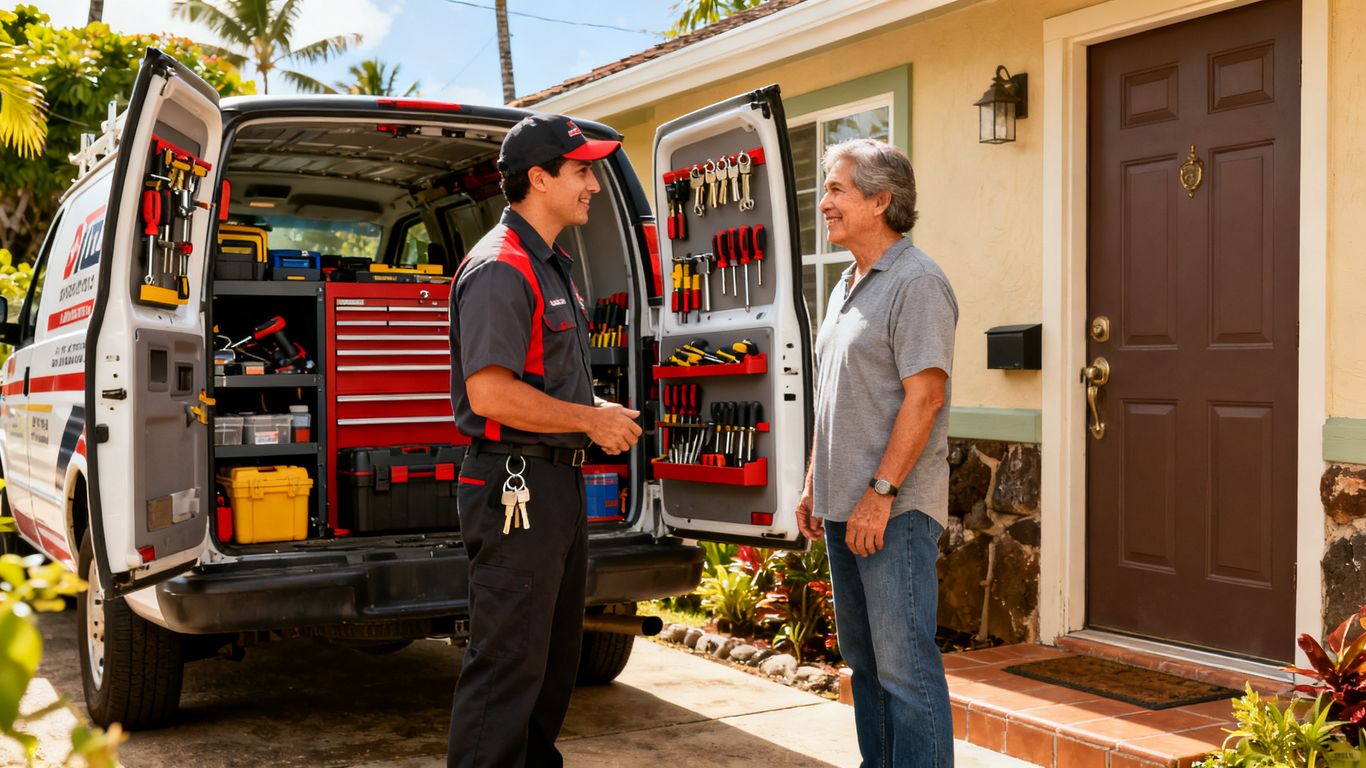
Before giving anyone access to your home, vehicle, or business, ask for photo identification and confirm the company name. Check the service vehicle and compare the technician’s details with what you were told on the phone. A professional should understand why you are taking this step, especially for a lockout or a security-related repair.
Research the locksmith before booking
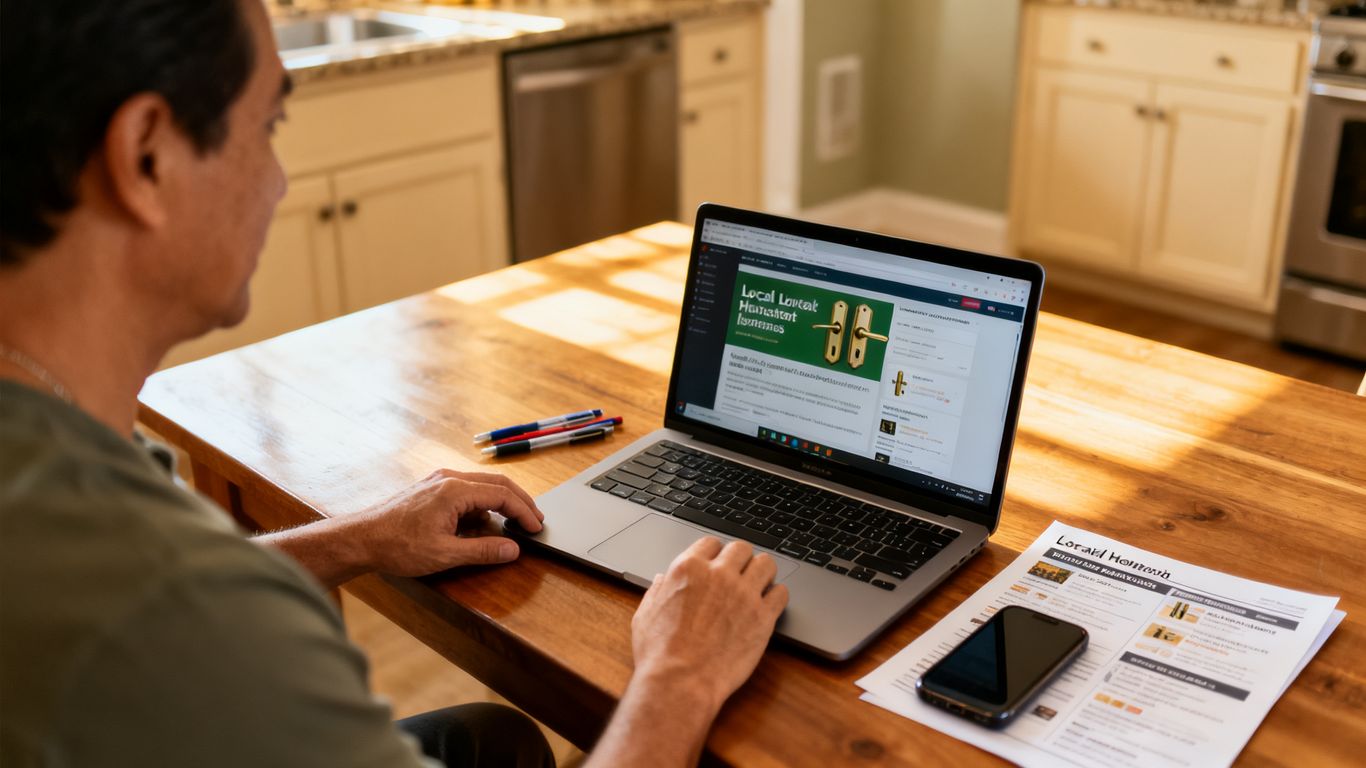
A few minutes of research can prevent a rushed decision from becoming an expensive one. Read several reviews, compare the business information across listings, and search for complaints using the company name and phone number. You are looking for a consistent pattern of professionalism, punctuality, fair pricing, and respectful communication—not one perfect comment.
Read reviews for consistent customer experiences
Recent reviews are more useful when they describe the actual service: arrival communication, workmanship, pricing, and how the problem was handled. Read both positive and negative comments, and notice whether the business responds calmly to criticism. Reviews can be manipulated, so repeated details across independent platforms are more meaningful than a large star rating alone.
Look for complaints about bait-and-switch pricing
Search specifically for reports that an advertised price changed after arrival, that a technician demanded cash before work, or that damage was used to justify a replacement. A low starting price is not automatically fraudulent, but it deserves clarification. The locksmith scam warning guide offers a useful checklist of these warning signs.
Check business listings and consumer protection records
Compare the company’s name, phone number, address, and hours across its website and business directories. Inconsistencies do not prove wrongdoing, but they should prompt questions. You can also check local consumer protection agencies and licensing records where available, especially before hiring someone for a larger commercial or security project.
Be cautious with generic ads and multiple company names
An advertisement that only says “locksmith services” and gives no clear company identity is a weak starting point. Multiple listings with nearly identical wording, different names, and the same phone number deserve extra scrutiny. For a business with more complex online operations, even Enterprise SEO guidance makes the broader point that scale and systems should be transparent rather than confusing; the same principle applies when checking a service provider’s identity.
Confirm pricing before any work begins
Price should be discussed before the technician touches the lock. The total can depend on the type of service, timing, location, lock technology, and replacement hardware, so a responsible quote may include conditions. What matters is that those conditions are explained clearly and that you have a chance to approve the work.
Request a written or itemized quote
Ask for the estimate by text, email, or on a written service form. It should state the expected work and separate labor from parts or other charges. A practical locksmith cost guide can help you understand why estimates vary, but it should not replace a quote for your specific situation.
Ask about service calls, labor, parts, and emergency fees
Have the locksmith explain the service-call charge, travel or mileage cost, labor rate, replacement parts, and any after-hours fee. Ask whether the quoted amount assumes picking the lock, and what the price would be if drilling becomes necessary. This makes the possible outcomes easier to compare before you authorize anything.
Compare estimates without automatically choosing the cheapest option
Request estimates from more than one local provider when circumstances allow. The lowest number may leave out a service call, hardware, or emergency charge, while a higher quote may include better parts or more complete work. Compare what each provider is actually promising, not just the first number mentioned on the phone.
Confirm what happens if the job costs more than quoted
Ask the technician to contact you before performing additional work or installing replacement hardware. A clear approval process protects both sides when the lock is damaged, unusually complex, or different from the description you gave over the phone. A simple comparison can make those terms easier to discuss:
| Quote detail | What to confirm | Why it matters |
|---|---|---|
| Service call | Fixed fee or included in labor | Prevents a surprise arrival charge |
| Labor | Hourly rate or flat job price | Shows how extra time is handled |
| Parts | Brand, model, and cost | Helps you compare replacement quality |
| Additional work | Approval required before proceeding | Limits unexpected changes |
After reviewing the quote, repeat the agreed total and conditions back to the provider in writing. Written approval protects you if the scope or price is later disputed.
Ask the right questions about the service
A good conversation before booking is not an interrogation; it is a way to see whether the locksmith understands the problem. Describe the lock, vehicle, door, key, or access system as accurately as you can. Then ask how the technician plans to approach it and what might change the estimate.
Find out whether the locksmith has handled your type of lock
Residential deadbolts, vehicle key systems, commercial access controls, and smart locks can require different knowledge and equipment. Ask whether the technician has worked on your specific type, brand, or model. If the answer is uncertain, find out whether the company can refer the job or send someone with the appropriate experience.
Ask which tools and replacement parts will be used
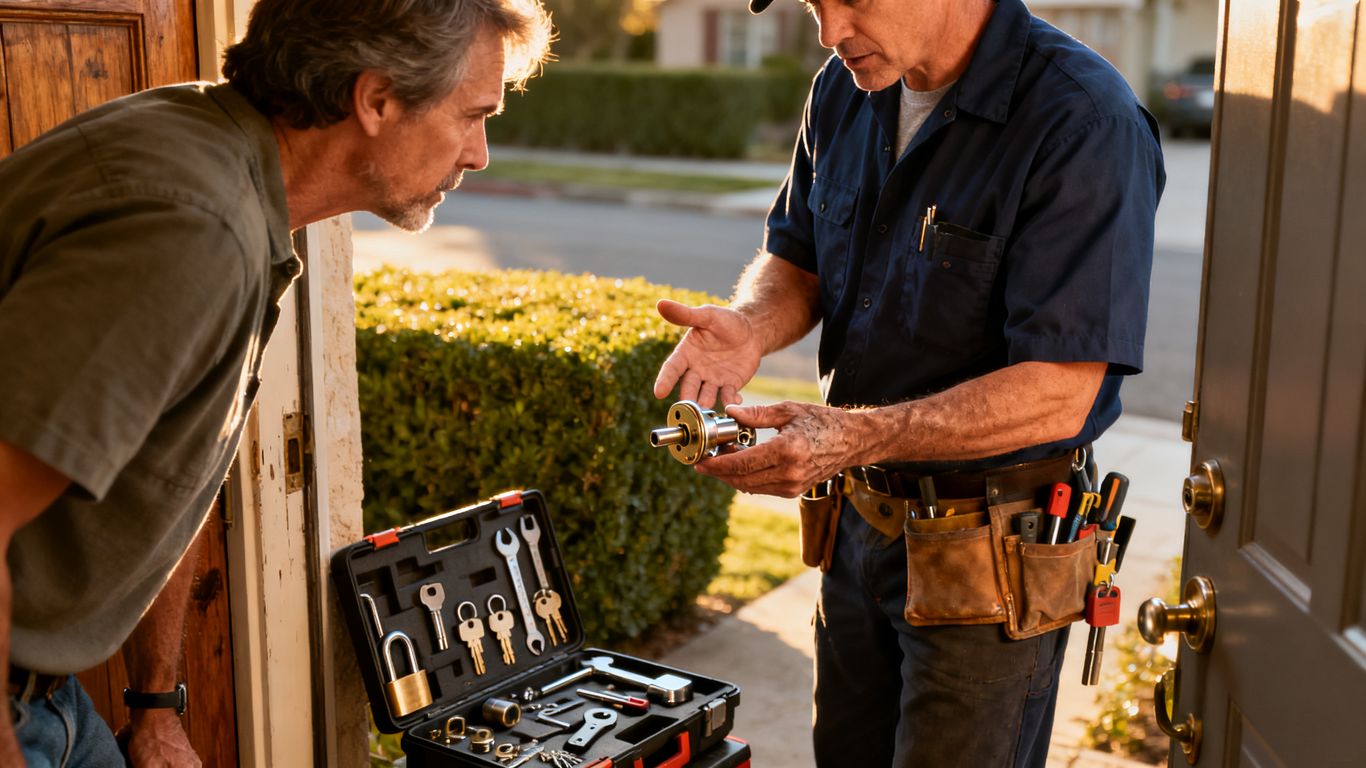
You do not need a technical lecture, but you should know whether the plan is repair, rekeying, non-destructive entry, or replacement. If a new lock is proposed, request the brand and model before approving it. For smart locks, ask whether installation and setup are included and whether the system’s intended features will be configured.
Confirm whether drilling or replacement is necessary
Drilling can sometimes be necessary, but it should not be presented as the default without an explanation. Ask what less-destructive options were considered, what damage may result, and whether a replacement cylinder or lock will be needed afterward. You can also explain that no drilling or replacement should occur without your approval.
Clarify payment methods and request a receipt
Before the appointment, ask which payment methods are accepted and whether payment is due when the work is completed. Avoid handing over more information than necessary, and be cautious about pressure to pay the entire amount before the service is described. Request a receipt showing the work, parts, total paid, and any warranty terms.
For a vehicle lockout, car lockout guidance can help you prepare for ownership verification and avoid damaging the vehicle while you wait. For other booking questions, service questions provides a useful reminder to ask about experience, timing, and warranty coverage.
Check warranties and security standards
A lockout may be urgent, but a repair or installation can affect your security for years. Ask what the company stands behind and what falls outside its responsibility. The answers should be specific enough for you to understand how a problem will be handled after the technician leaves.
Ask how long labor and parts are covered
Find out whether labor and replacement parts have separate warranty periods. Ask what would void the coverage, whether a return visit is included, and how you would make a claim. Do not assume that a verbal promise lasts indefinitely; request the terms on the invoice or warranty document.
Confirm the quality and brand of replacement locks
If replacement is appropriate, ask for the manufacturer, model, grade, and key-control details. A lock should suit the door, frame, and security needs rather than simply being the part the technician happens to have available. For a business, the choice may also need to fit staff access and existing security procedures.
Discuss rekeying, high-security locks, and smart lock options
Ask whether rekeying can solve the problem without replacing the entire lock. If you are considering an upgrade, discuss high-security locks or smart locks in terms of access, maintenance, battery needs, and compatibility. Double Quick Locksmith documents residential smart lock installation, keyless entry systems controlled through a smartphone, and smart-home integration; those capabilities should be confirmed for the specific product and property.
Make sure the completed work meets your security needs
Test the lock before the technician leaves. Check that doors close correctly, keys turn smoothly, access codes work if applicable, and everyone who needs a key or credential understands the new arrangement. If the work was for a business, confirm that former employees or lost keys no longer have access where rekeying was requested.
Avoid common locksmith scam warning signs
Scams often rely on stress, uncertainty, and the assumption that a customer cannot challenge a technician once the work has started. You can interrupt that pattern by slowing down enough to verify identity, restate the quote, and ask for an explanation. If the answers become evasive or aggressive, you are allowed to stop.
Reject unusually low quotes that change after arrival
An extremely low advertised price may exclude labor, travel, parts, or the actual service needed. Ask what the price includes before dispatch and request written confirmation. If the technician arrives with a dramatically different figure, do not feel obligated to continue simply because they are already at the property.
Be wary of technicians who refuse to show identification
A refusal to provide identification or confirm the company name is a serious concern. Do not let an unidentified person enter your home or handle your vehicle. You can end the appointment and contact another provider, even if you are already waiting outside or dealing with an emergency.
Watch for pressure to replace locks unnecessarily
A technician should explain why repair, rekeying, or replacement is being recommended. Be cautious if the person immediately declares the lock unusable, refuses to discuss alternatives, or claims that every component must be replaced. Ask for the reason, the added price, and time to decide before authorizing the work.
Leave if the final price differs substantially from the agreement
If the price changes without a reasonable explanation or your approval, stop the job and ask for an invoice showing what has been done. Do not argue in a dangerous situation; move to a safe place and contact local authorities if you feel threatened. A disputed charge can be addressed later through consumer protection or payment channels.
A professional emergency service should reduce confusion, not use confusion to gain control.
That principle is simple, but it is useful when you are tired, locked out, or worried about property damage. Clear communication before and during the job is one of the strongest protections available.
Book and manage the service safely
The safest booking process gives the locksmith enough information to assess the job while protecting your privacy. You do not need to share unrelated personal details or provide unrestricted access before the technician’s identity is confirmed. Prepare the documents that establish your right to request the service, and keep a record of what was agreed.
Share only the information needed to diagnose the problem
Give the location, type of lock or vehicle, symptoms, and urgency. Avoid sending unnecessary photos that reveal valuables, alarm codes, spare-key locations, or the full layout of your home. If a photo is needed, frame only the lock and surrounding area required to identify the issue.
Prepare proof of ownership for a home, vehicle, or business
Have identification, vehicle registration, a lease, or another appropriate document ready. A legitimate locksmith may need to confirm that you are authorized to enter the property or access the vehicle. This safeguard can also make the appointment faster once the technician arrives.
Keep the quote, messages, invoice, and warranty documents
Save screenshots of advertisements and text messages, along with the written estimate, final invoice, and warranty information. For a recurring business relationship, a basic record of the company name, technician, date, and work performed can help with future maintenance. If you manage bookings online, review the provider’s Terms of Service before submitting personal information.
A short preparation list is useful when stress makes details easy to forget:
- Confirm the company name, technician identity, and arrival details.
- Recheck the total price and what it includes before work begins.
- Put identification, registration, or ownership documents within reach.
- Keep valuables and sensitive access information out of view.
These steps do not guarantee a perfect experience, but they give you a clear record and a safer decision point. If you need a commercial provider, business locksmith services may also help you think through access control, rekeying, and emergency planning before a crisis occurs.
Report suspected fraud to local consumer protection authorities
If you experience deceptive advertising, a major unexplained price increase, property damage, threats, or unauthorized charges, preserve every record and report the incident to the appropriate local consumer protection agency. You may also contact your licensing authority, payment provider, or law enforcement when the circumstances warrant it. Reporting helps create a record that can protect other people facing the same emergency.
Conclusion
Booking a professional locksmith service not a scammer comes down to verification, clear pricing, informed questions, and the willingness to stop when something feels wrong. If you need a local mobile team in Honolulu or across Oʻahu, contact Double Quick Locksmith for help with your lock, key, or security need and discuss the service details before work begins.
Frequently Asked Questions
How can I tell whether a locksmith is local?
Ask where the company operates, whether it has a verifiable local address or service area, and who will respond to your call. A mobile provider can be legitimate without a customer-facing storefront, but its identity and coverage should still be clear.
Should I get a locksmith quote in writing?
Yes. Request an itemized estimate that explains labor, service calls, parts, travel, emergency fees, and possible additional work. Written terms make it easier to compare providers and challenge unexpected charges.
What should I do if the locksmith raises the price after arriving?
Pause the work and ask why the price changed. Request a revised written estimate and do not authorize additional work until you understand and accept it. If the difference is substantial or the technician becomes threatening, leave the situation safely and report it.
Is drilling always a sign of a scam?
No. Some locks or situations may require drilling, but the locksmith should explain why, describe the alternatives, and state the added cost before proceeding. You should approve the work before the lock is damaged or replaced.
What credentials should I ask a locksmith to provide?
Ask about applicable licensing, insurance, training, and professional affiliations. When the technician arrives, request photo identification and confirm that the person and vehicle match the company you booked.
What documents might I need for a lockout?
You may need identification and proof that you own or are authorized to access the home, vehicle, or business. For a vehicle, registration or title can be useful; for a rental property, a lease or other authorization may help.
How do I protect my privacy when booking?
Share only the location and lock details needed to diagnose the problem. Do not disclose alarm codes, spare-key locations, or unrelated personal information, and keep quotes, invoices, and warranty records in a secure place.