
Key Takeaways
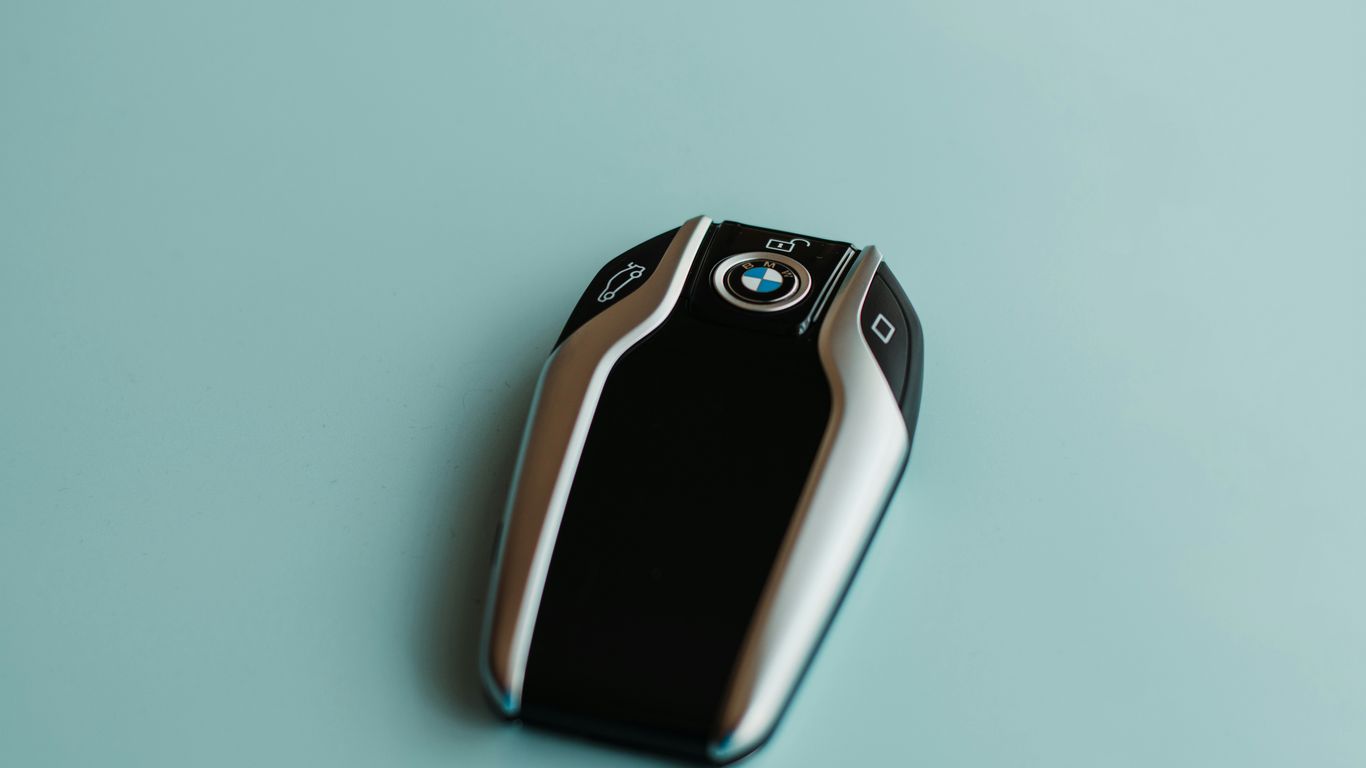
A BMW key fob can fail because of a weak battery, damaged electronics, programming trouble, or a vehicle-side electrical issue. A careful diagnosis helps you avoid replacing a key that could have been repaired.
- Test the fob, vehicle battery, range, and buttons before ordering a replacement.
- A cracked shell may only require an internal component transfer, not a complete key.
- Transponder chips and electronic programming are essential for starting many BMW models.
- Model year, key type, existing keys, and service urgency all affect the final cost.
- Mobile service can be useful when the BMW is parked away from a repair facility.
Understanding common BMW key fob problems
BMW key problems often begin as small annoyances: a button works only sometimes, the remote range becomes shorter, or the vehicle displays a key warning. Those symptoms can point to the fob, but they can also come from the vehicle or the surrounding environment. Start with simple checks before assuming the entire key has failed.
How battery failure affects locking and starting
A weak fob battery can make lock and unlock commands inconsistent or reduce the distance at which the remote works. Depending on the BMW system, the battery may also affect proximity functions, although a battery problem does not necessarily mean the transponder or immobilizer component is damaged. Replace the battery with the correct type, then test every function rather than checking only the door locks.
A fob that still does not respond after a fresh battery needs a closer look. Battery replacement alone will not repair a cracked board, loose terminal, damaged button, or lost programming.
Signs of water, impact, or circuit-board damage
Water exposure, salty air, and drops can damage small electronic components inside a fob. Look for a cracked casing, corrosion around the battery contacts, buttons that feel loose, or a remote that stopped working after an impact. If the key became wet, remove the battery promptly and let the opened fob dry fully before testing it again.
Do not apply high heat to speed up drying. A hair dryer can warp the shell or worsen damage to the circuit board. If corrosion is visible, professional inspection is safer than repeatedly powering the fob.
When the vehicle fails to recognize the fob
A BMW may unlock inconsistently, show a key-not-detected message, or refuse to start even though the remote buttons appear normal. The transponder chip inside the key is separate from the plastic shell and plays a central role in the vehicle’s authorization process. If that chip is missing or misplaced during a shell transfer, the engine may crank and then stop.
The key may also need re-synchronizing or programming after a fault. Keep track of whether the problem affects one key or every available key, since that distinction helps separate a fob issue from a vehicle-side problem.
How signal interference can mimic a faulty key
A fob that fails in one location but works normally elsewhere may be encountering signal interference. Large metal structures, nearby electronics, and dense wireless activity can affect remote communication. Move a short distance away from the original spot and approach the vehicle from another direction.
This simple comparison is useful because it prevents an environmental problem from being mistaken for permanent key failure. The BMW key fob troubleshooting guide also gives a practical sequence for checking the battery, physical damage, vehicle battery, and synchronization concerns.
Why a dead BMW car battery may be the real cause
Sometimes the fob is fine and the vehicle simply has too little power to respond. Try the mechanical key hidden inside the fob to access the car, then observe whether the vehicle shows other signs of a weak battery, such as dim lights or no dashboard response. If the BMW remains unresponsive, the car battery may need attention before the fob can be judged fairly.
A jump-start or battery test can clarify the situation, but it does not resolve a separate programming or receiver fault. Treat the vehicle’s electrical condition as part of the diagnosis.
Diagnosing your BMW key fob before repair
A useful diagnosis compares several functions instead of relying on one symptom. Test the buttons, range, starting behavior, spare key, and vehicle response in a controlled order. Write down what happens, because those details can save time when a technician evaluates the key.
Testing buttons, range, and remote functions
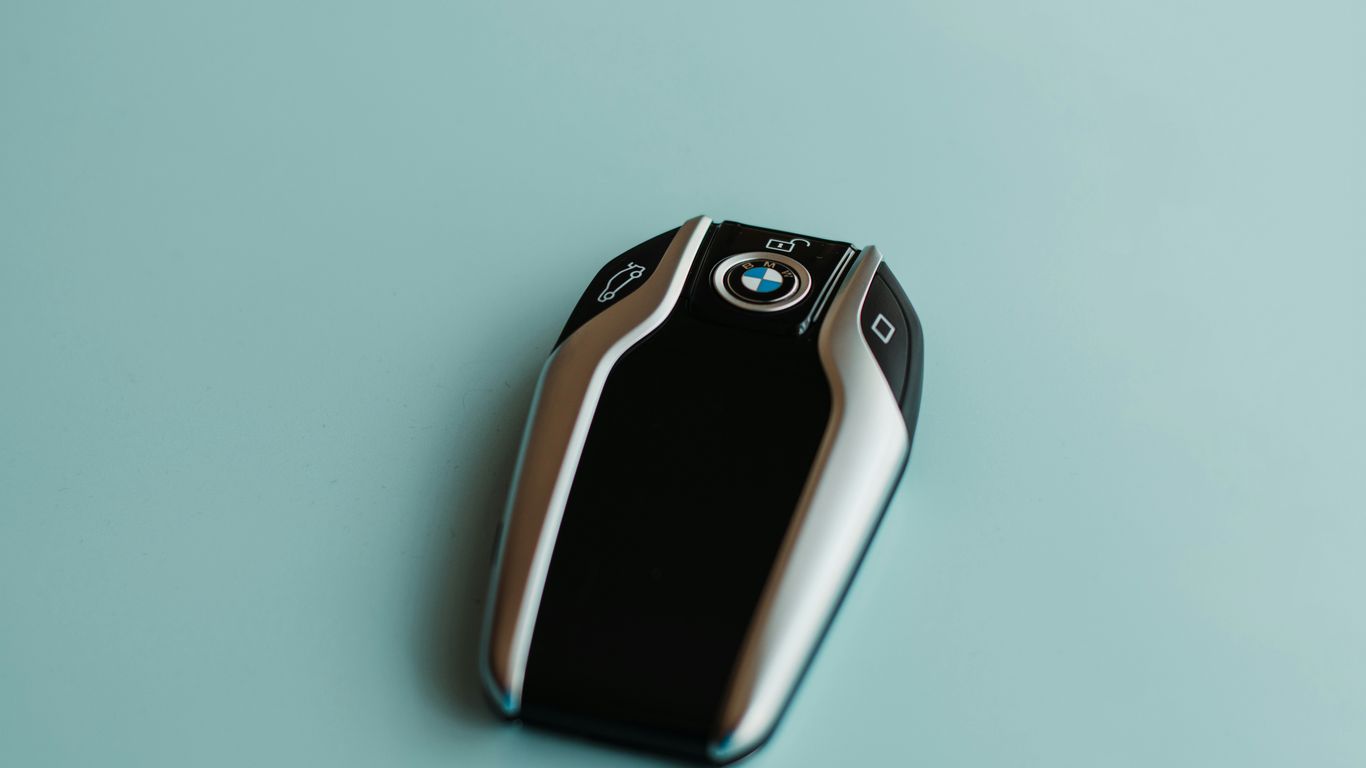
Press each button several times and note whether the response is immediate, weak, or absent. Test the fob close to the vehicle and then from a normal distance. If only one button fails, worn contacts or a damaged switch may be more likely than a complete electronic failure.
Try the spare key if one is available. If the spare works normally, the original fob becomes the main suspect; if both keys fail in the same way, investigate the vehicle or its receiver as well.
Checking the battery and contact points
Open the battery compartment carefully and confirm that the battery is seated in the correct orientation. Inspect the metal contacts for dirt, bending, corrosion, or poor pressure against the battery. A contact that sits slightly out of position can make a healthy battery appear dead.
Avoid forcing the terminals or scraping delicate board traces. If the fob has been opened before, photograph the component layout before moving anything so the board, contacts, spring, and transponder can be returned to their original positions.
Using the vehicle’s mechanical key
The mechanical key is useful when the remote will not unlock the vehicle. It can let you reach the cabin and test whether the problem is limited to remote access. It will not, by itself, replace the electronic authorization needed by many BMW starting systems.
Keep the mechanical blade with the correct fob and check that it operates smoothly. A stiff or damaged blade is a separate physical-key problem and should not be confused with a remote communication fault.
Distinguishing fob problems from receiver or immobilizer faults
If multiple known-good keys are rejected, the vehicle may have a receiver, antenna, immobilizer, or broader electrical issue. If one key fails while another works, the problem is more likely within the failed fob or its programming. These are tendencies, not absolute rules, so testing equipment may still be needed.
The goal is to avoid paying for a replacement key when the vehicle is the part that needs diagnosis. It also prevents repeated reprogramming attempts from masking a deeper electrical fault.
When professional key diagnostics are necessary
Professional diagnostics make sense when a new battery changes nothing, the fob has suffered water or impact damage, the vehicle rejects every key, or a push-to-start function works only intermittently. A technician can test signal behavior and inspect whether the internal components can be saved.
Bring the BMW, all available keys, the vehicle identification information, and proof of ownership. That gives the technician enough context to choose repair, programming, or replacement without guessing.
BMW key fob repair options
Repair is not one single procedure. A damaged casing, worn button, loose contact, corroded board, and lost transponder each call for a different approach. The best option preserves working original components where practical while avoiding repairs that are unlikely to remain reliable.
Replacing a damaged key fob shell
A cracked shell or broken key-ring loop does not always require a new electronic key. In many cases, the circuit board, battery contacts, transponder chip, cut blade, and spring mechanism can be transferred into a compatible replacement shell. The parts must be installed in the correct orientation.
The broken key fob shell guide explains why the transponder must stay with the original key identity and why a clean work surface matters. A shell replacement is most suitable when the electronics still function normally.
Repairing buttons, contacts, and battery terminals
Worn button switches, loose terminals, and poor battery contact can often be addressed without replacing every part of the fob. The technician may inspect the board, restore contact pressure, replace a damaged switch, or fit a new terminal depending on the fault.
After repair, the fob should be tested for remote response, starting behavior, and physical operation. Fixing one visible symptom without checking the other functions can leave an underlying problem undiscovered.
Restoring a water-damaged or cracked fob
Water damage should be handled quickly because moisture and electrical power can create short circuits and corrosion. Remove the battery, dry the components thoroughly, and avoid using the fob until it is safe to test. Saltwater exposure is especially concerning because residue can continue corroding contacts after the surface appears dry.
A cracked fob can sometimes be rebuilt if the board and transponder remain intact. The condition of the electronics matters more than the appearance of the outer casing.
Deciding whether internal components can be saved
A technician will usually consider the board, battery contacts, transponder, buttons, blade, and spring separately. A shell may be damaged while the board works perfectly, or a clean-looking fob may contain corrosion that makes replacement more sensible. The cost and reliability of the repair should be weighed together.
Preserving the original transponder is especially important during a shell transfer. Losing it or installing it incorrectly can leave a physically complete key unable to authorize the vehicle.
When repair is less practical than replacement
Replacement is often the better route when the circuit board is severely damaged, the transponder is missing, the fob has extensive corrosion, or the key has already been opened and altered repeatedly. A push-to-start or proximity fob may also require programming that is beyond a simple shell repair.
A repair provider should explain what can be reused and what must be replaced. That makes the quote easier to understand and reduces the risk of paying for a short-term fix.
BMW key fob programming and reprogramming
Electronic programming allows the key and vehicle to recognize one another for the functions supported by that BMW. It may be part of creating a replacement, pairing a spare, correcting a remote issue, or restoring a smart-key function. The exact procedure depends on the model, year, and key technology.
Why BMW fobs must communicate with the vehicle
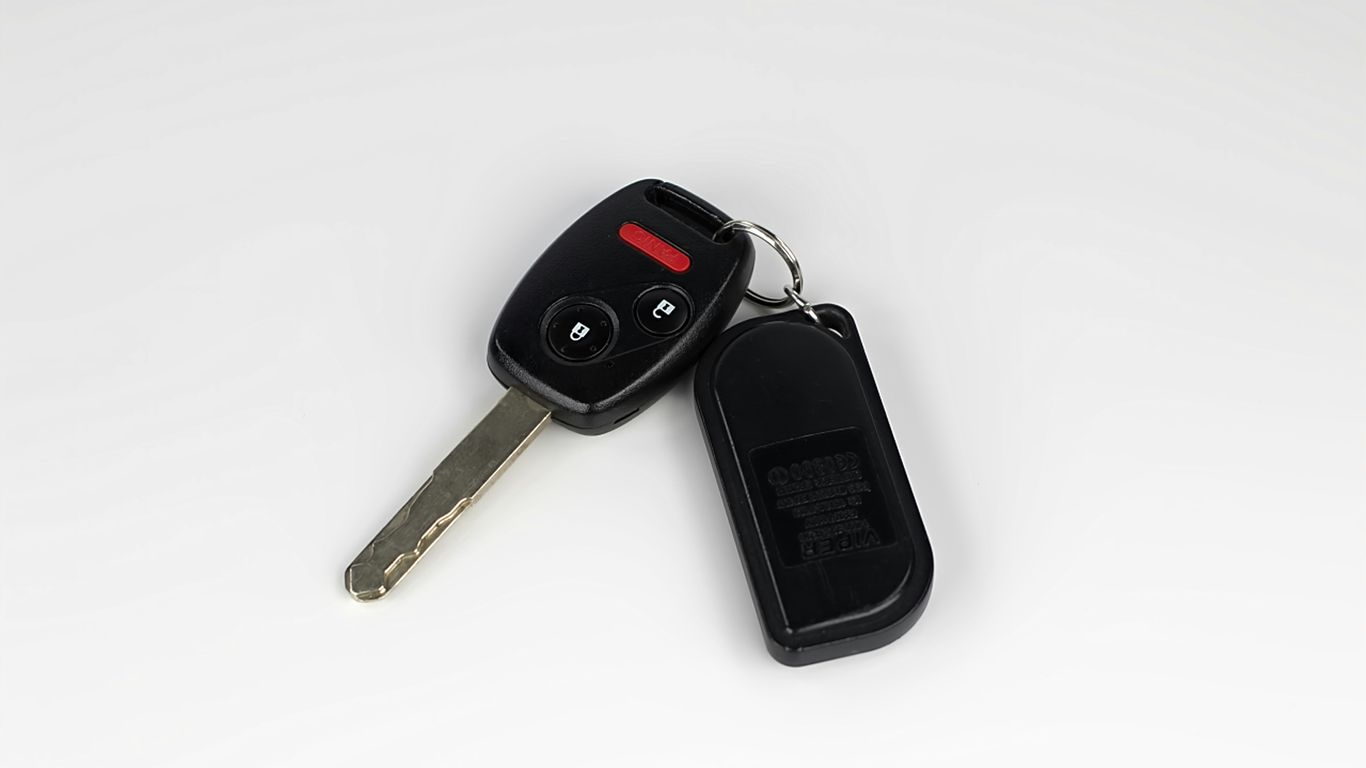
A modern BMW key is more than a cut metal blade. Its electronic identity may need to communicate with the vehicle for locking, unlocking, immobilizer authorization, and starting. A shell can look correct while the car still rejects the key if the internal chip or programming is wrong.
That is why mechanical cutting and electronic programming should be treated as separate steps. One does not automatically complete the other.
Programming replacement and spare keys
A spare key is generally simpler to arrange while a working key remains available, but it still must match the BMW’s model, year, and system. A lost-only-key situation may require additional verification and a different programming process.
Before ordering a replacement, confirm the key type and whether the vehicle uses a conventional remote, smart key, proximity function, or another supported system. Compatibility is more important than appearance.
Re-syncing remote locking functions
A fob may start the vehicle yet fail to lock or unlock it remotely, or the remote may work while another function does not. That pattern can point to synchronization or a separate remote circuit issue. Re-syncing may restore communication when the hardware is still sound.
If re-syncing does not help, the fob should be tested for signal output and the vehicle should be checked for receiver-side faults. Repeating the same procedure without testing can waste time.
Programming push-to-start and Comfort Access keys
Push-to-start and Comfort Access systems add electronic functions that must be matched to the vehicle. A key that works in the ignition or starts the vehicle may not provide every proximity or remote feature if the system is not correctly configured.
The BMW Key Programming Honolulu service page describes mobile help for supported BMW key programming, re-syncing, smart-key functions, and Comfort Access concerns. Confirm compatibility before work begins, especially with newer models.
How locksmith diagnostic tools support the process
Diagnostic equipment helps identify whether the issue is a key signal, programming state, receiver, or vehicle module. It also supports the pairing process for replacement and spare keys when the vehicle and key are compatible.
Programming should be handled carefully. Incorrect attempts can create additional problems, so advanced module or immobilizer work is best left to a trained automotive locksmith with appropriate equipment.
Replacing a lost, broken, or nonworking BMW key
Replacement starts with identifying what remains usable. A broken shell with a working board is a different job from a lost key with no original transponder. Model year, key style, vehicle security system, and the number of remaining keys all affect the route forward.
Creating a spare while you still have a working key
Making a spare before the last key fails is usually less stressful than dealing with a complete loss. The working key helps confirm the correct system and may make compatibility checks more straightforward. Test the new spare before storing it away.
Keep the spare in a secure, dry location rather than inside the vehicle. A backup is most useful when it is accessible during an emergency.
Replacing the only remaining BMW key
When the only key is lost or unusable, expect more verification and a more involved replacement process. The provider may need the BMW’s year, model, VIN, vehicle location, identification, and proof of ownership before creating or programming a key.
Do not assume that a hardware-store copy will solve the problem. Cutting the metal blade does not reproduce the electronic identity required by many modern BMWs.
Choosing between OEM and aftermarket fobs
An OEM fob is designed for the relevant vehicle system, while an aftermarket option may vary in quality, compatibility, and available functions. The lowest purchase price is not necessarily the lowest total cost if the fob cannot be programmed or does not support the vehicle’s features.
Ask whether the replacement is new, refurbished, or aftermarket, and whether programming and testing are included. A written explanation is better than relying on a product photo alone.
Matching the key to the BMW model and year
BMW key designs and systems differ across generations. Provide the exact model, model year, VIN when available, and information about Comfort Access or push-to-start features. A similar-looking fob can still be electronically incompatible.
The BMW key replacement guide is useful for understanding why replacement requirements vary by model, year, and key technology. Confirm details before buying an unverified online part.
Protecting the vehicle after a key is lost
A lost key creates both an access problem and a security concern. Ask whether the missing key can be removed from the vehicle’s authorized-key list, if supported by the system, and consider changing where you store the replacement. Do not leave registration documents or identifying information inside an unlocked vehicle.
If the key was stolen rather than misplaced, tell the technician clearly. The appropriate security steps may differ from an ordinary lost-key replacement.
BMW key fob repair costs and service factors
There is no single price for BMW key fob repair because the service may involve a battery, shell, internal repair, programming, cutting, diagnostics, or complete replacement. The same symptom can also have different causes. Ask for the likely total and what would cause it to change.
How the BMW model and key type affect pricing
Older transponder-style keys may involve different work from newer smart, proximity, or push-to-start keys. Vehicle year and model can affect compatibility, programming requirements, and parts availability. Comfort Access functions may add another layer of testing.
The BMW key fob programming cost guide covers the factors that commonly affect pricing, including model, year, key type, and whether a working spare remains.
The difference between repair, programming, and replacement costs
A shell swap or contact repair usually involves different parts and labor from programming a replacement key. Full replacement may include the fob, cutting, electronic programming, and testing. A diagnosis may be needed before anyone can say which category applies.
| Service need | What may be involved | Main cost driver | Typical decision |
|---|---|---|---|
| Shell damage | Compatible shell and component transfer | Condition of original parts | Repair when electronics work |
| Button or contact fault | Board or terminal inspection and repair | Internal damage | Repair if the board is sound |
| Programming issue | Re-syncing or vehicle-key pairing | BMW system and key type | Diagnose before replacing |
| Lost or unusable key | New fob, cutting, programming, and testing | Whether another key remains | Replace and secure the vehicle |
This comparison is not a quote, but it shows why a complete replacement is not always necessary. A clear diagnosis can keep the service focused on the failed part.
Additional charges for key cutting and diagnostics
A replacement may require cutting the mechanical blade as well as programming the electronics. Diagnostics may be added when the vehicle, receiver, immobilizer, or existing key could be responsible for the symptom. Ask whether those items are included in the initial estimate.
The VIN, exact model information, and a description of the failure can help the provider prepare more accurately. Still, the final recommendation may depend on seeing the key and vehicle together.
How emergency and after-hours service changes the total
Service outside normal hours, difficult access, and urgent lockout conditions can affect the total charge. A mobile visit may also save the cost and inconvenience of towing the BMW to another location, though the provider should explain all travel or emergency fees in advance.
If the car is safe and you have transportation, scheduling during regular hours may provide more flexibility. If you are stranded, safety and access naturally become part of the decision.
Comparing mobile locksmith and dealership service
A dealership may be appropriate for certain manufacturer-specific situations, but a mobile automotive locksmith can be more convenient when the vehicle is parked at home, work, or roadside. Compare the full scope: parts, programming, diagnostics, cutting, travel, warranty, and expected wait.
For Honolulu drivers, BMW locksmith services may be a practical option when on-site diagnostics, duplication, or programming is needed. Ask what the technician can complete at the vehicle before authorizing work.
Choosing a BMW key fob repair provider
The provider you choose should be able to explain the diagnosis in plain language and verify the correct key before programming. Look for relevant BMW experience, suitable equipment, ownership checks, and a clear warranty policy. Convenience matters, but accuracy and security matter more.
Verifying BMW programming experience and equipment
Ask whether the provider regularly handles BMW remotes, transponder keys, smart keys, push-to-start systems, and supported Comfort Access functions. It is also reasonable to ask what diagnostic equipment will be used and whether the service includes testing after programming.
A technician should be comfortable explaining the difference between a fob repair, a re-sync, a new-key programming job, and a vehicle-side electrical diagnosis. Vague answers are a reason to pause.
Confirming ownership and vehicle information requirements
Legitimate key service should include identity and ownership checks. Have photo identification, registration or other proof of ownership, the VIN if available, and the exact vehicle location ready. These steps protect the vehicle and help the technician identify the correct key.
Do not send sensitive information to an unverified seller simply because an online listing promises a cheap replacement. Confirm who will receive the information and how it will be used.
Advantages of mobile repair in Honolulu and across Oahu
Mobile repair is useful when the BMW is parked in Waikiki, downtown Honolulu, Kaimuki, Hawaii Kai, or elsewhere on Oahu. Instead of arranging a tow, a technician can assess the key and vehicle where they are located, subject to the service’s capabilities and access conditions.
For a lockout or nonworking fob, that can reduce disruption. It also allows the technician to test the replacement with the actual vehicle rather than relying only on a description.
Questions to ask about warranties and replacement parts
Before approving the work, ask whether the part is OEM, aftermarket, refurbished, or a shell; whether programming and testing are included; and how long the repair or replacement is covered. Ask what happens if the fob works intermittently after the visit.
A useful warranty should be stated clearly rather than implied. Keep the invoice and any part information with your vehicle records.
Preparing your BMW and existing key for service
Park where the technician can safely reach the vehicle and have every available key nearby. Gather the model year, VIN, identification, ownership documents, and a concise description of what failed. If the fob was wet, impacted, or opened, mention that before work begins.
If you need immediate on-site assistance, request mobile key help and explain whether the key is lost, damaged, intermittently working, or completely unresponsive.
Get Help Where You Are
Double Quick Locksmith provides mobile automotive locksmith service in Honolulu and across Oʻahu, including help with BMW key programming, replacement, and troubleshooting. Contact the team with your vehicle details and location so the right service can be assessed before work begins.
Conclusion
BMW key fob repair is often a matter of separating a simple battery or shell problem from deeper electronic, programming, or vehicle-side trouble. Test the basics, protect the transponder and other internal parts, and choose a provider that can diagnose and program the key safely. With the model information and existing keys ready, you can usually make a more informed decision between repair, re-syncing, and replacement.
Frequently Asked Questions
Can a BMW key fob be repaired instead of replaced?
Yes, depending on the fault. A damaged shell, worn button, loose contact, or certain board issues may be repairable, while severe corrosion, a missing transponder, or extensive electronic damage may make replacement more practical.
Will replacing the battery reprogram a BMW key?
Usually, changing the battery does not replace electronic programming. It may restore normal operation when the battery was the only problem, but a key that remains unrecognized may need synchronization, programming, or further diagnosis.
Can a cracked BMW key shell be replaced?
Often, the original internal components can be transferred into a compatible shell. The circuit board, transponder chip, battery contacts, blade, and spring must be handled carefully and installed in the correct orientation.
How can I tell whether the car or the fob is faulty?
Test the fob buttons, range, battery, and starting function, then compare the result with a spare key if available. If every key fails in the same way, the vehicle’s battery, receiver, immobilizer, or another electrical component may need inspection.
Do BMW replacement keys need programming?
Many BMW replacement, smart, proximity, and push-to-start keys need electronic programming or pairing with the vehicle. The exact requirement depends on the model, year, and key system.
What information is needed for a BMW key replacement?
Prepare the BMW model and year, VIN if available, photo identification, proof of ownership or registration, the existing key if you have it, and the vehicle’s location. The provider may request additional details for security and compatibility verification.
Is it worth making a spare BMW key?
Making a spare while one working key remains can be more convenient than replacing the only key after it is lost. Store the spare somewhere safe and dry, separate from the vehicle, so it is available when needed.