Key Takeaways
Understanding how a Vehicle Identification Number works is essential for anyone facing a lost key situation, as it bridges the gap between your specific vehicle and the required security components. This guide provides insight into the limitations and strengths of using your VIN for key replacement services.
- Your VIN is a unique 17-character code that stores factory-original specifications for your specific vehicle.
- Dealerships require proof of ownership before they can process a request using your VIN.
- Mobile locksmiths offer on-site solutions that often bypass the delays associated with factory-direct orders.
- Physical key cutting is only the first step; electronic programming is usually required for modern vehicle transponders.
- Protecting your VIN online is crucial to prevent unauthorized individuals from manufacturing potentially malicious items for your car.
Understanding the role of your VIN in key replacement
What is a vehicle identification number?
A vehicle identification number, or VIN, is the distinct 17-character identifier assigned to every factory-built vehicle. This code serves as a unique fingerprint, holding critical data about your car’s make, model, manufacturing location, and factory-level specifications. By providing this number, technicians can access the precise database entries needed to reconstruct parts tailored for your specific machine.
How locksmiths use your VIN to identify key specifications
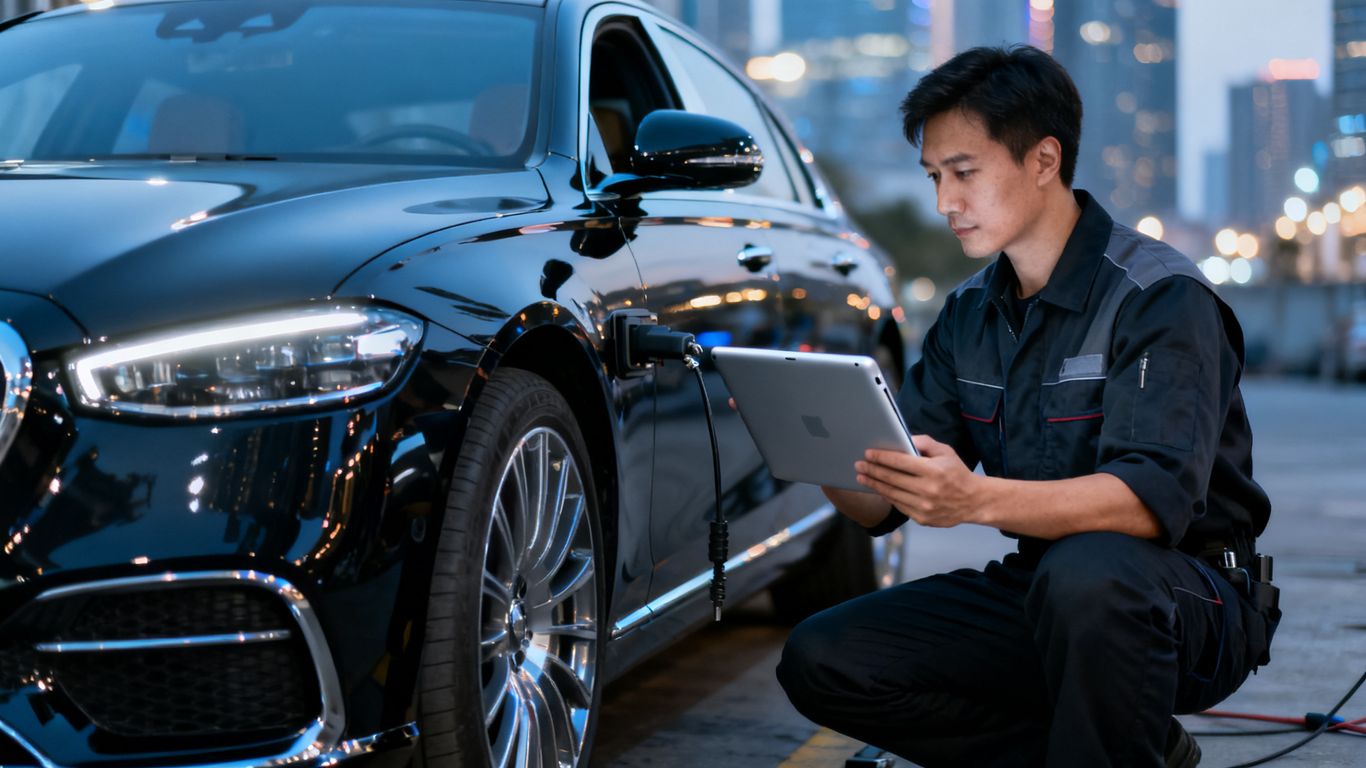
When you work with a professional service like Double Quick Locksmith, your VIN allows them to query manufacturer databases or software to determine the exact cut configuration for your key blade. This eliminates the guesswork that can lead to miscut keys. Once the profile is verified, technicians can prepare the mechanical blade before they even arrive at your location.
Why the VIN alone is often not enough to create a functional key
While the VIN provides the mechanical pattern for your blade, it rarely includes the complex digital security data necessary for modern ignitions. A physical key cut from a code might unlock your door, but the vehicle’s immobilizer system will prevent the engine from running if you lack the proper electronic authorization. This is why car key programming remains a distinct and necessary step in the restoration process.
Legal and ownership requirements for VIN-based services
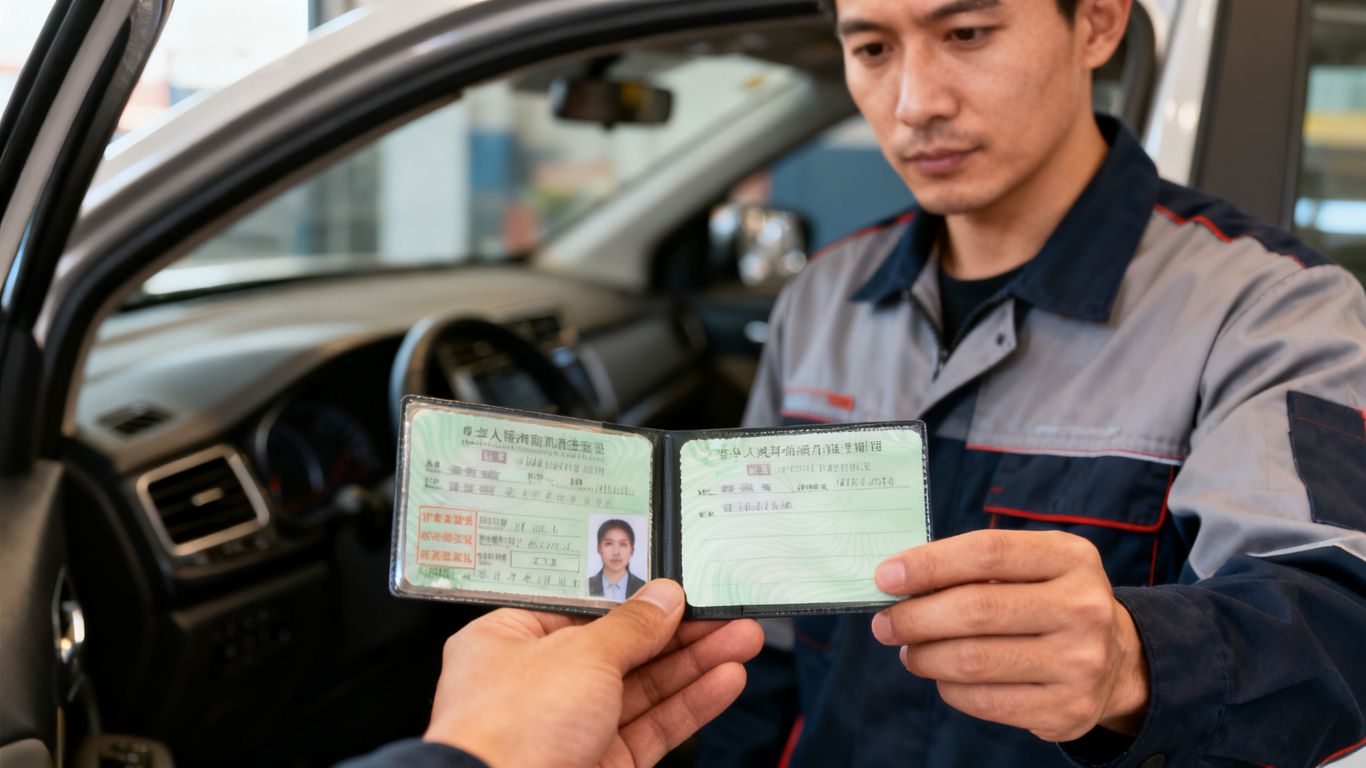
Service providers have a legal obligation to ensure you are the authorized person requesting these sensitive items. You should be prepared to present a valid driver’s license, vehicle registration, or title before any work commences. These protocols are not just company policies; they are industry-standard protections to prevent the manufacture of keys for vehicles you do not own.
Using your VIN for dealership key services
The process of ordering factory keys through a dealer
Ordering through a dealership typically involves providing your VIN at the parts desk, where staff submit a request to the manufacturer for a key cut to your specific code. This process relies on centralized factory systems, ensuring the key is authentic to your build sheet. While the initial request is straightforward, it often requires coordinating with the service department to ensure the key can be synced correctly.
Necessary documentation to prove vehicle ownership
Before any parts are ordered, the dealership must see physical proof that you possess the legal rights to the vehicle. This usually means bringing in your registration and a photo ID that names you as the legal owner. Without these documents, manufacturers will not release the data required to generate new factory keys, which helps protect your security in the long run.
Expected turnaround times for factory-coded keys
Factory-coded keys are not always available to walk-in customers on the same day. Depending on the manufacturer’s shipping schedules and the dealership’s current workload, receiving the finished key can take anywhere from a few days to over a week. If the car must be present for programming, you may need to arrange for a tow, which adds time and logistical complexity to the process.
Limitations of dealer-only replacement methods
Dealer-only methods are inherently tied to business hours, regional supply chains, and the manufacturer’s support infrastructure. They lack the flexibility of a mobile, on-site replacement service, meaning you are limited by their inventory and specific software diagnostic tools. If your model requires older legacy data that the dealership no longer prioritizes, you may find the process difficult to complete efficiently.
Mobile locksmith capabilities versus manufacturer codes
How locksmiths decode your ignition on-site without a code
If a manufacturer code is unavailable, professionals can perform a physical decode of your lock cylinder using precision sensors. By mapping the exact depths of the wafers inside your ignition or door lock, they can regenerate the bitting code from scratch. This hands-on expertise allows them to bypass the need for factory databases entirely, providing a fast recovery even for older or rare vehicles.
Comparing precision key cutting to factory-direct orders
Factory-direct orders provide convenience for new owners, but precision cutting on-site offers a more direct path to restoration. By utilizing advanced equipment to translate a physical lock state into a digital cutting command, technicians ensure that your new key fits your current, worn lock better than a factory-original copy would. This produces a reliable, smooth-operating key that minimizes long-term wear on your ignition mechanism.
Accessing immobilizer systems without dealership-specific tools
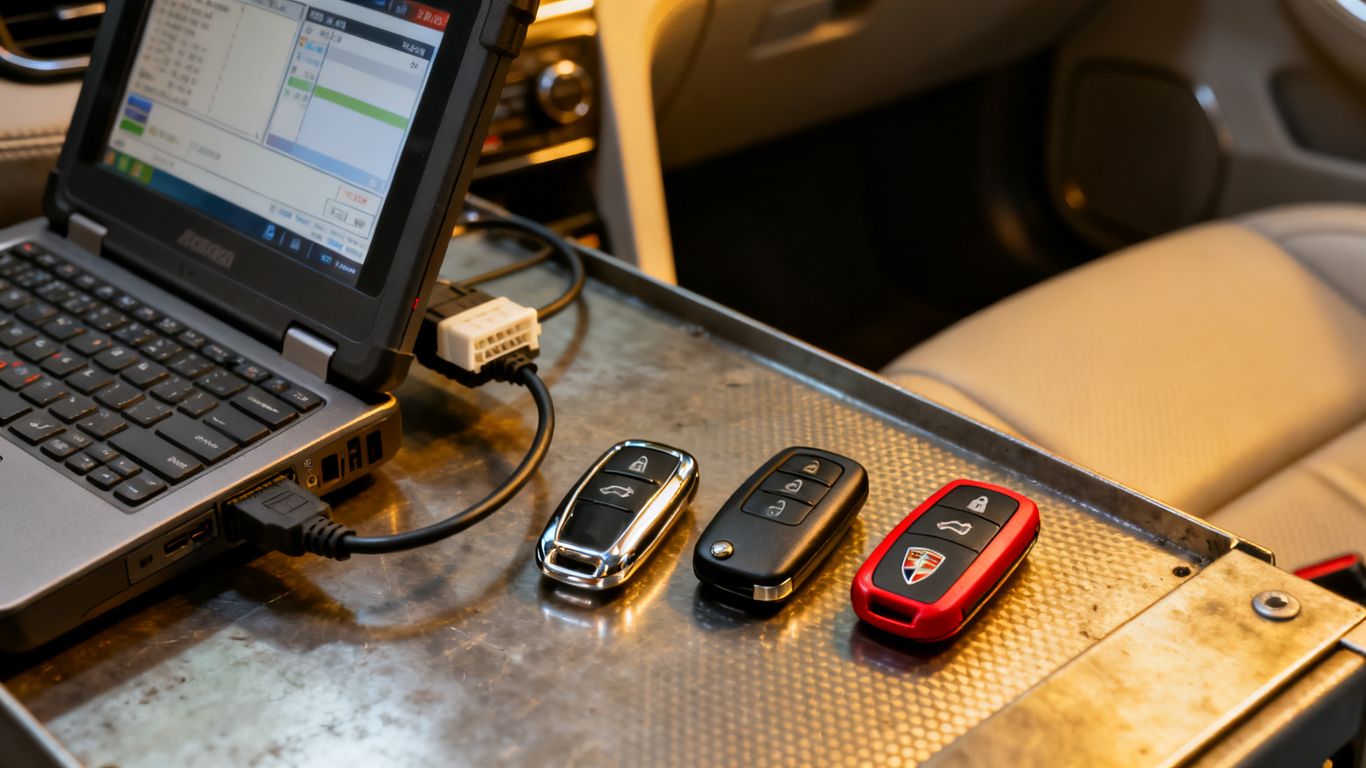
Modern locksmiths utilize universal diagnostic platforms that offer broader compatibility than many restrictive dealership-specific systems. This means they can often program keys for a wider variety of makes and models in the field. Rather than requiring specialized proprietary hardware, they use advanced software to handshake your vehicle’s computer and securely authorize your new transponder, often in a single visit.
Benefits of mobile service for lost or missing original keys
Choosing a mobile service provides clear advantages, especially when you are stranded and need a prompt solution. Mobile technicians essentially bring the equivalent of a dealership’s service center directly to your driveway, saving you from expensive towing fees and the frustration of waiting days for shipping.
| Service Category | Standard Timing | Location |
|---|---|---|
| Dealership Request | 3-7 Days | Your dealer’s location |
| Mobile Locksmith | 1-2 Hours | Your home or office |
| DIY Replacement | 1-4 Weeks | Online/Various |
Mobile services represent a balance of technical capability and immediate convenience. By cutting and programming on-site, they resolve the problem while minimizing your downtime.
Limitations when relying solely on a VIN
Why some older vehicles lack digitized key records in databases
Many classic or older vehicles were built before digitized record-keeping became standard. In these cases, the manufacturer’s database may simply not contain the key code for your specific chassis. While this limits what you can do through a dealer, a professional who understands physical impressioning can still restore your access.
Addressing issues with aftermarket ignition or lock cylinder replacements
VIN-based data is entirely useless if the vehicle’s ignition or door locks were replaced with aftermarket parts in the past. If a previous owner swapped the hardware, the VIN will point to a set of keys that no longer fit the current cylinder. Before spending money on VIN-requested keys, verify that your locks match the factory configuration.
The necessity of physical key programming for modern transponders
Even if the VIN helps you cut a perfect blade, it does not bypass the digital security handshake. You must use specialized tools to pair the transponder chip with your car’s Engine Control Unit. Without this final digital step, the car remains an ornament, regardless of how well the metal blade turns the ignition.
Risks of ordering pre-cut keys from unauthorized online vendors
A major risk of using unauthorized online key vendors is the exposure of your VIN to potentially unverified databases. Furthermore, the following common failures often occur with such kits:
- The key shell is low quality and may snap inside your ignition cylinder.
- The transponder chip fails to communicate with the vehicle’s immobilizer.
- The fob buttons lack durability and fail after brief usage.
- Programming manuals supplied are often outdated or do not match your specific vehicle firmware.
These limitations demonstrate why sourcing parts through reputable professionals is often safer than ordering from unknown sources.
Differentiating between mechanical cutting and electronic programming
Distinguishing physical blade generation from digital system synchronization
Mechanical cutting is the process of shaping the metal blade to fit the grooves of your lock, while electronic programming is the process of informing the car’s computer that it should trust the new key. A key that is physically cut but not programmed will turn the engine over but will not ignite, as the security system triggers an immediate fuel shut-off.
The role of transponder chips in modern ignition security
Within every modern key is a transponder chip—a sophisticated, small radio-frequency device. When inserted into the ignition, the car sends an encrypted query to this chip, and the engine starts only if the chip returns the matching, secret numerical string. This prevents thieves from simply copying your key blade to steal the car.
Why a cut key may unlock doors but fail to start the engine
If your door opens but the engine stalls immediately, you have successfully completed the mechanical portion but missed the digital link. When the car recognizes the metal profile but fails to register a matching security code from the chip, the immobilizer prevents the start-up sequence to render the car secure against unauthorized entry. It is a clear safety feature that is now standard across the industry.
Integrating code cutting with specialized diagnostic software
Modern repairs require a two-fold approach: accurate mechanical cutting and flawless diagnostic execution. When you hire an expert who understands this integration, you receive a key that is both physically sound and digitally active, enabling the full security profile as intended by the manufacturer.
Protecting your vehicle security when using VIN services
Verifying the professional credentials of service providers
Always confirm that the company you hire is licensed and insured, particularly when they are performing tasks that influence your vehicle’s security systems. Check for professional standing and read verified customer feedback to ensure the technicians are capable of handling sensitive digital modules without causing further errors.
Deactivating old keys that have been lost or stolen
One of the most effective ways to secure your car is by ensuring that only keys in your possession work. When a new key is programmed, your service technician can often delete the memory of all old, missing keys. This ensures that even if someone finds a lost fob, it will no longer function with your car’s locking or ignition systems.
Why you should never share your VIN with unverified online sellers
Disclosing your VIN to unknown entities provides them with sensitive information about your vehicle’s origin and security configuration. In the hands of unethical actors, this data can be misused to create a key for your car at a location that is not your home. Maintain strict privacy and use only verified, local professionals to handle such requests.
Mitigating theft risks during the key replacement process
To further safeguard your vehicle, consider rekeying or updating your security protocols whenever you suspect that sensitive key data has been compromised. Transparency during the service interaction is important for peace of mind, particularly if you’ve recently had to address a lost key fob replacement.
Conclusion
Replacing a car key using your VIN can be a straightforward process, but it requires understanding the technical difference between mechanical cutting and digital system sync. By working with a qualified mobile professional, you ensure your security, maintain the integrity of your immobilizer, and gain access to your vehicle faster than traditional dealership channels would allow.
Frequently Asked Questions
Can I order a new key with my VIN number?
You can indeed order a key based on your VIN, but how you do it depends on the security level of your vehicle and the documentation you can provide.
Is the VIN sufficient to start my car?
No, the VIN only provides the pattern for the physical blade, which will not bypass the digital security lock that stops the engine from starting.
Do I need to be present for the replacement service?
You must typically be present to provide valid identification and ownership proofs before a service technician can proceed with handling your vehicle’s security.
Can a locksmith handle modern smart keys?
Yes, specialized mobile locksmiths are fully equipped to read, cut, and program the advanced proximity and smart keys used in most modern vehicles.
What happens to my old missing key?
When you program a new key, the car’s computer can erase old security codes, effectively rendering any lost or stolen keys useless for starting your car.
Are dealer keys better than aftermarket ones?
Factory-issued keys often contain specific OEM features and reliability standards, though a professional locksmith can provide high-quality, fully compatible alternatives.
Should I provide my VIN to online sellers?
It is generally recommended to avoid providing your VIN to unverified online sources to prevent the potential misuse of your car’s security information.