Your car’s engine computer works quietly in the background, so most drivers don’t think about it until something feels off. The engine might stumble at a stoplight on Farrington Highway, a warning light might refuse to go away, or the car might simply refuse to start one morning after a week of heavy trade-wind rain. When the computer itself is the problem, it can look a lot like a dozen other issues.
This guide covers the most common symptoms of a bad ECU, how to tell a computer problem apart from a weak battery or a failing sensor, and when to call a pro. Double Quick Locksmith has served Oahu drivers since 2021, including ECU programming and cloning service on Oahu. We’re a mobile team, so the work comes to your driveway or parking stall instead of the car going on a tow truck.
What Is an ECU, and Why Does It Matter?
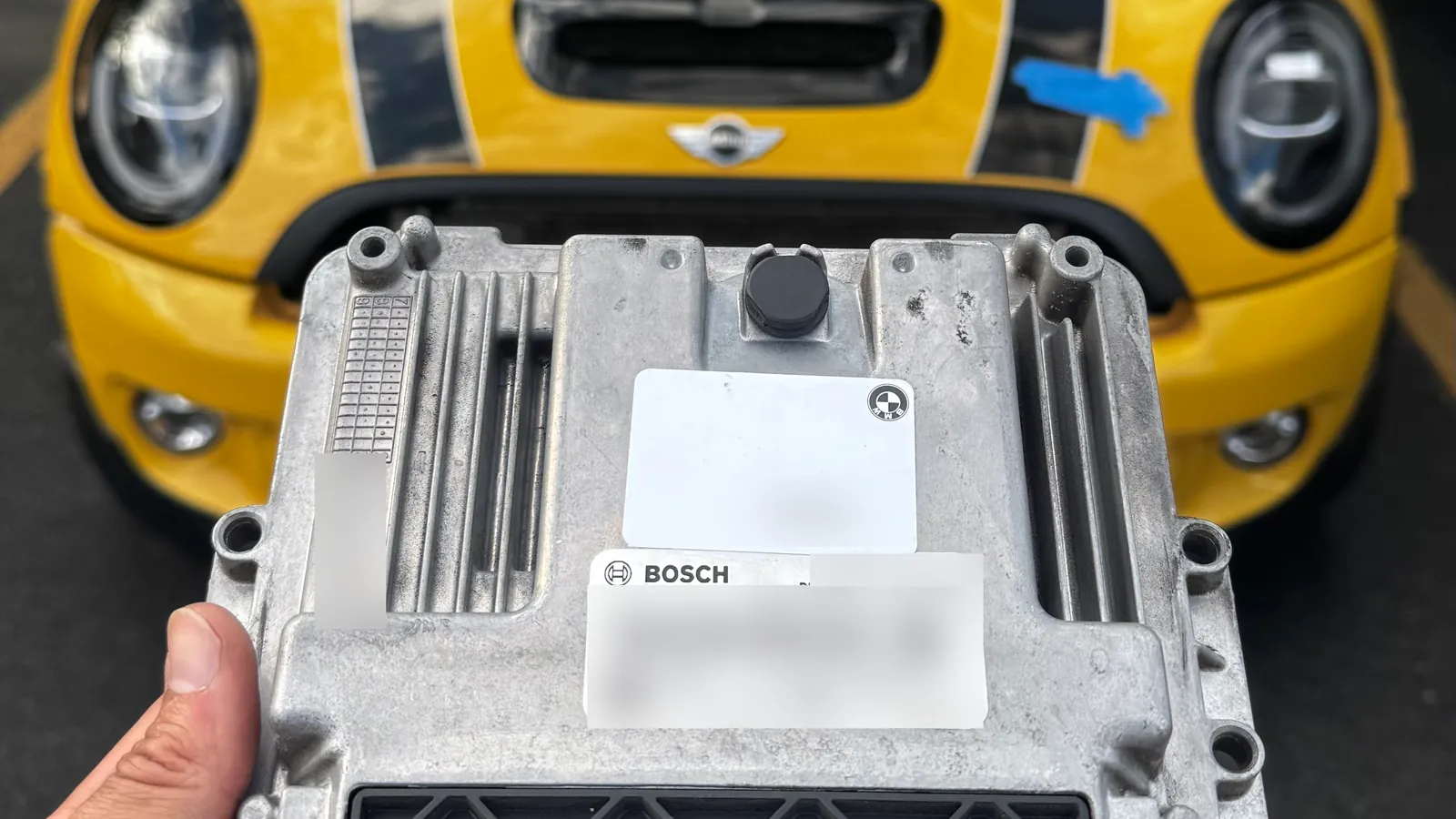
The ECU (engine control unit) goes by several names: ECM (engine control module) or PCM (powertrain control module, when it also runs the transmission). It reads data from sensors all over the vehicle, including oxygen sensors, the crankshaft and camshaft position sensors, throttle position, and coolant temperature. It uses that data to control fuel delivery, ignition timing, idle speed and, on many cars, shifting.
On most modern vehicles the ECU also talks to the immobilizer system. That system checks that the key in your hand belongs to the car before it lets the engine run. So a computer problem can show up as a driveability problem, a starting problem, or a key problem. ECUs are also just one piece of a larger network of modules; our guide to car module programming explains how they all work together.
7 Symptoms of a Bad ECU
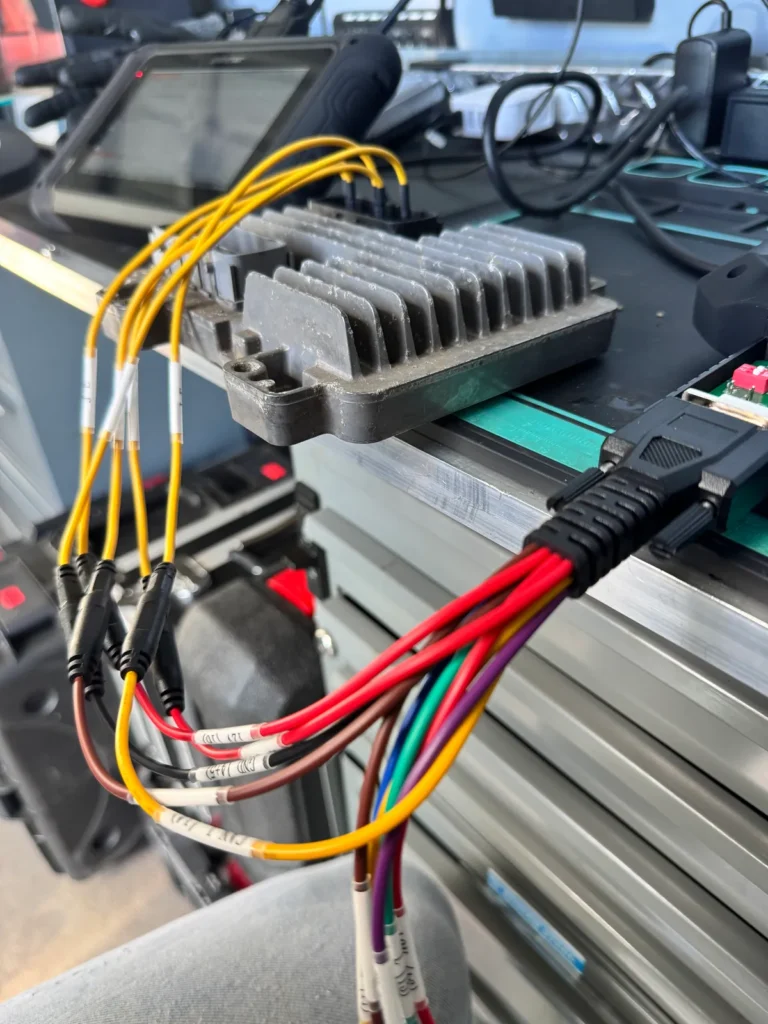
None of these signs proves on its own that the ECU has failed. Each one also has other possible causes. When several show up together, especially with the computer-related trouble codes below, the ECU moves up the suspect list.
1. Check engine light with computer-related codes
A check engine light can mean almost anything, so the code matters. Codes in the P0600 range (for example P0606, “control module processor fault”) point to the computer’s own internal self-checks. Lost-communication codes such as U0100 mean other modules can’t hear the engine computer. A single sensor code, like an oxygen sensor reading, usually points to that sensor or its wiring rather than the ECU.
2. Stalling, misfiring or rough running with no mechanical cause
If the engine stalls, surges or misfires and the usual suspects check out (spark plugs, coils, vacuum leaks, fuel pressure), the computer may be sending bad timing or fuel commands. Intermittent stalling that comes and goes with heat or humidity is a classic hint of a failing circuit board or a corroded connector.
3. Car cranks but won’t start, or won’t crank at all
A failed ECU can’t fire the injectors or ignition, so the engine cranks but never catches. In some cases the car does nothing at all. Because the immobilizer and ECU work together, a no-start can also come from a key or security fault, which is where a locksmith with programming equipment is useful.
4. Poor fuel economy or sluggish performance
When the ECU misreads sensor data or calculates fuel incorrectly, the engine may run rich, burn more gas and feel flat when you step on it. On Oahu gas prices, that adds up fast. Again, rule out clogged filters, tire pressure and sensors first.
5. Harsh, delayed or erratic shifting
On vehicles where the PCM runs the transmission, or where a separate transmission module depends on data from the engine computer, a failing ECU can cause hard shifts, slipping, or the transmission locking into a single “limp” gear to protect itself.
6. Scan tool can’t communicate, or gauges act strangely
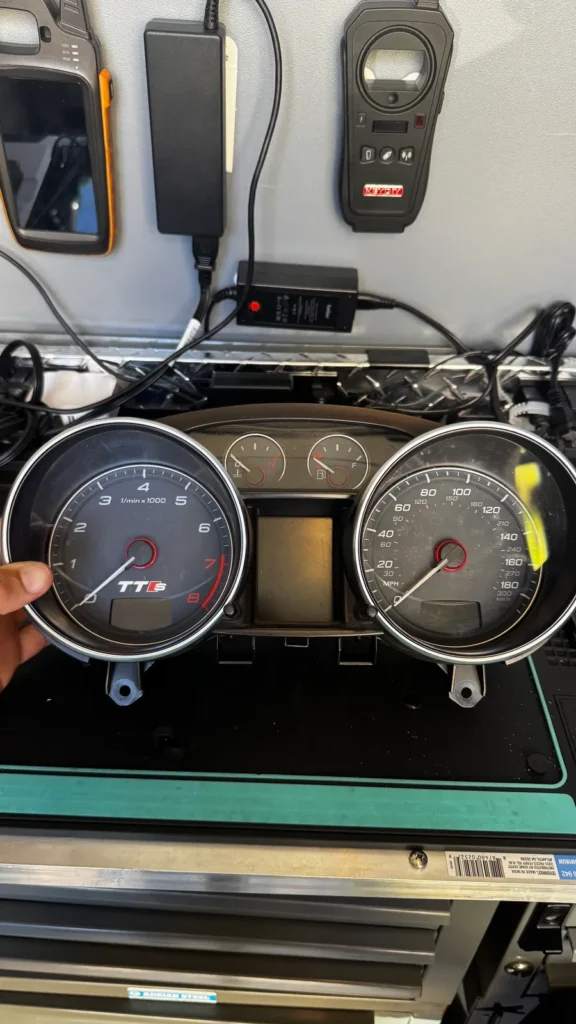
If a scan tool can’t connect to the engine computer while other modules respond, that’s a strong clue. You may also notice gauges dropping to zero, several warning lights turning on at once, or a dash that behaves differently every time you start the car.
7. Immobilizer or security light issues
A flashing security light, a “key not detected” message, or a car that starts and immediately dies can mean the ECU and immobilizer have stopped agreeing. This often happens after a used or replacement ECU is installed without being matched to the car’s keys and immobilizer data.
Is It the ECU, the Battery or a Sensor?
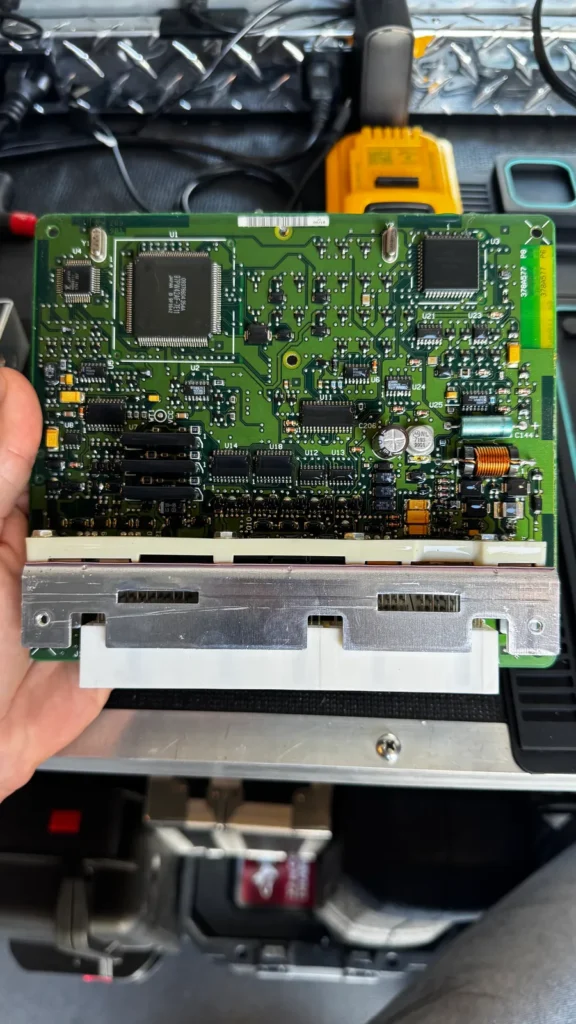
Many “bad ECU” calls turn out to be something simpler. Before you assume the worst, work through these checks.
Start with the battery and grounds
Low voltage makes modern electronics behave in strange ways: random warning lights, no-starts, even false communication codes. A healthy, fully charged 12-volt battery reads roughly 12.6 volts at rest. Also look at the battery terminals and the main engine and body ground straps. In our island climate, salt air and humidity can corrode connections faster than you’d expect, especially on cars parked near the ocean.
Check fuses, connectors and signs of water
Look for a blown ECU fuse, a loose or green-crusted connector at the module, or water where it shouldn’t be. Flooded streets after a heavy Kona storm, a leaking cowl or a clogged drain can let water reach a computer mounted low in the car.
Read the codes before replacing anything
Sensor faults usually set specific sensor codes and cause one predictable symptom. ECU faults tend to set internal-processor or communication codes, or cause several unrelated symptoms at once. If a sensor is replaced and the same strange behavior continues, the computer becomes a more likely suspect.
Check for open recalls
Some vehicles have had recalls or software updates for engine computer issues. Before paying for repairs, look up your VIN with NHTSA’s official recall lookup. If there’s an open recall, the dealer typically handles it.
What Happens If the ECU Really Is the Problem?
If testing confirms a bad computer, you usually have a few options, depending on the vehicle and the failure:
- Repair or reflash the existing unit when the fault is software-related or limited to a repairable circuit.
- Replace and program a new or remanufactured unit so it matches the car.
- Clone the data from the original computer onto a replacement, so the new unit takes over the car’s identity, including immobilizer information.
Cloning is often the cleanest route when the original data can still be read, because the replacement goes in with the same settings and key data. To learn more, read how ECU cloning works for Hawaii drivers.
A word of caution about a used ECU pulled from another car: in most modern vehicles it won’t run your engine until it is matched to your VIN, keys and immobilizer. Plugging one in without programming is a common reason a car that “just needed a computer” still won’t start.
When to Call a Professional
Call for help if the car won’t start, if it stalls in traffic, or if you see computer-related codes along with key or security warnings. Avoid pulling and swapping modules yourself, since a wrong move can lock the immobilizer or damage the unit.
Double Quick Locksmith is a NASTF-registered, fully mobile team. We provide ECU diagnosis, programming and cloning, along with key programming, all done on site wherever your car is on Oahu, from Kapolei to Kailua. Because we’re a mobile automotive locksmith, we can often handle the key and immobilizer side of the job in the same visit. We’re a 24/7 locksmith on Oahu, and we aim for a fast response day or night.
When you call, have these ready:
- Year, make and model
- What the car is doing (or not doing), and when it started
- Any codes a shop or scan tool has already pulled
- Whether you have working keys for the car
Summary
- Symptoms of a bad ECU can look like a driveability, starting or key problem.
- The common signs are a check engine light with computer-related codes, stalling or rough running, no-start conditions, poor fuel economy, erratic shifting, communication errors, and immobilizer warnings.
- Always rule out the battery, grounds, fuses, corroded connectors and individual sensors first. Salt air and moisture on Oahu make corrosion a real factor.
- Check for open recalls with your VIN before paying for repairs.
- If the ECU has failed, repair, replacement with programming, or cloning can get you back on the road. A used ECU needs to be matched to your car.
- Double Quick Locksmith offers mobile ECU programming and cloning across Oahu, 24/7.
30-day guarantee on keys, labor and lock work
Call for a quote: (808) 758-4599