You park for a quick errand, return to the car and notice a blinking key or padlock symbol. Does it mean the car has stopped recognizing your key? Not necessarily. A security light flashing when the car won’t start is useful information, but its timing matters more than the symbol alone.
This Oahu driver’s checklist helps you record what happens before calling for help. It is not a way to bypass an immobilizer or diagnose an engine computer from one warning light. When the key side needs professional attention, Double Quick Locksmith’s car key programming service is a next step to discuss, not a reason to assume every no-start needs programming.
First, Separate Parked Behavior From a Failed Start
Many vehicles blink a security indicator while parked and switched off to show that their theft-deterrent system is armed. That alone isn’t evidence of a fault. A brief indicator during startup may also be part of a normal self-check. Exact colors, symbols and sequences depend on the vehicle.
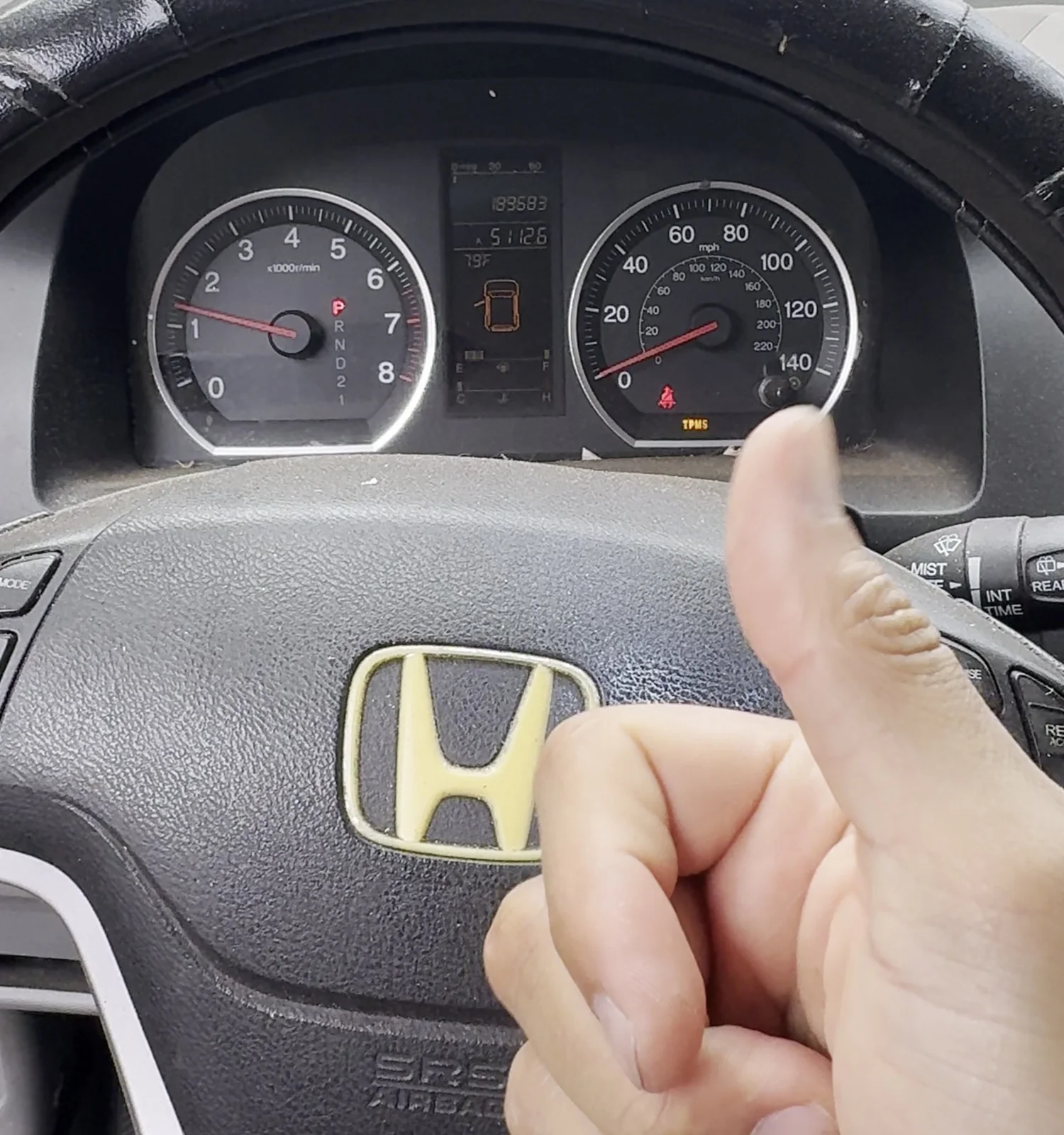
The more useful observation is a change during a start attempt: does the light stay on, blink differently or appear with a “key not detected” message while the engine fails to start? Check the owner’s manual for the meaning of your exact indicator. Don’t apply another model’s instructions just because the symbol looks similar.
If you’re in a dangerous location, prioritize your safety and contact emergency services when needed. Make observations only when safely parked; don’t work beside moving traffic.
Record the Light and the Starting Behavior Together
Instead of repeatedly trying the ignition, make a short note of what you see:
| Observation | What to tell the technician | What it does not prove |
|---|---|---|
| Light blinks only while the car is off | “It blinks when parked; here is what happens when I try to start” | That the immobilizer is faulty |
| Starter does not crank | Whether the dash lights dim, click or display a message | That the key alone is the cause |
| Engine cranks but doesn’t run | Whether the security indicator changes during the attempt | That the ECU has failed |
| Engine starts and then stops | The sequence and any message shown | That bypassing security is an appropriate fix |
| One authorized key works and another doesn’t | Which key works, and whether remote buttons also work | That every component on the car is healthy |
A photo of the dash message can be useful. Keep faces, identifying documents, plates and VINs out of photos intended for sharing. You do not need to publish vehicle security information to describe a warning light.
Try Only the Simple, Model-Appropriate Checks
Check for a working spare
If an authorized spare is available, compare it using the normal start procedure. Keep other keys and electronic devices away from the key you’re testing. If one key starts the car and the other doesn’t, report that difference rather than concluding that the whole immobilizer needs replacement.
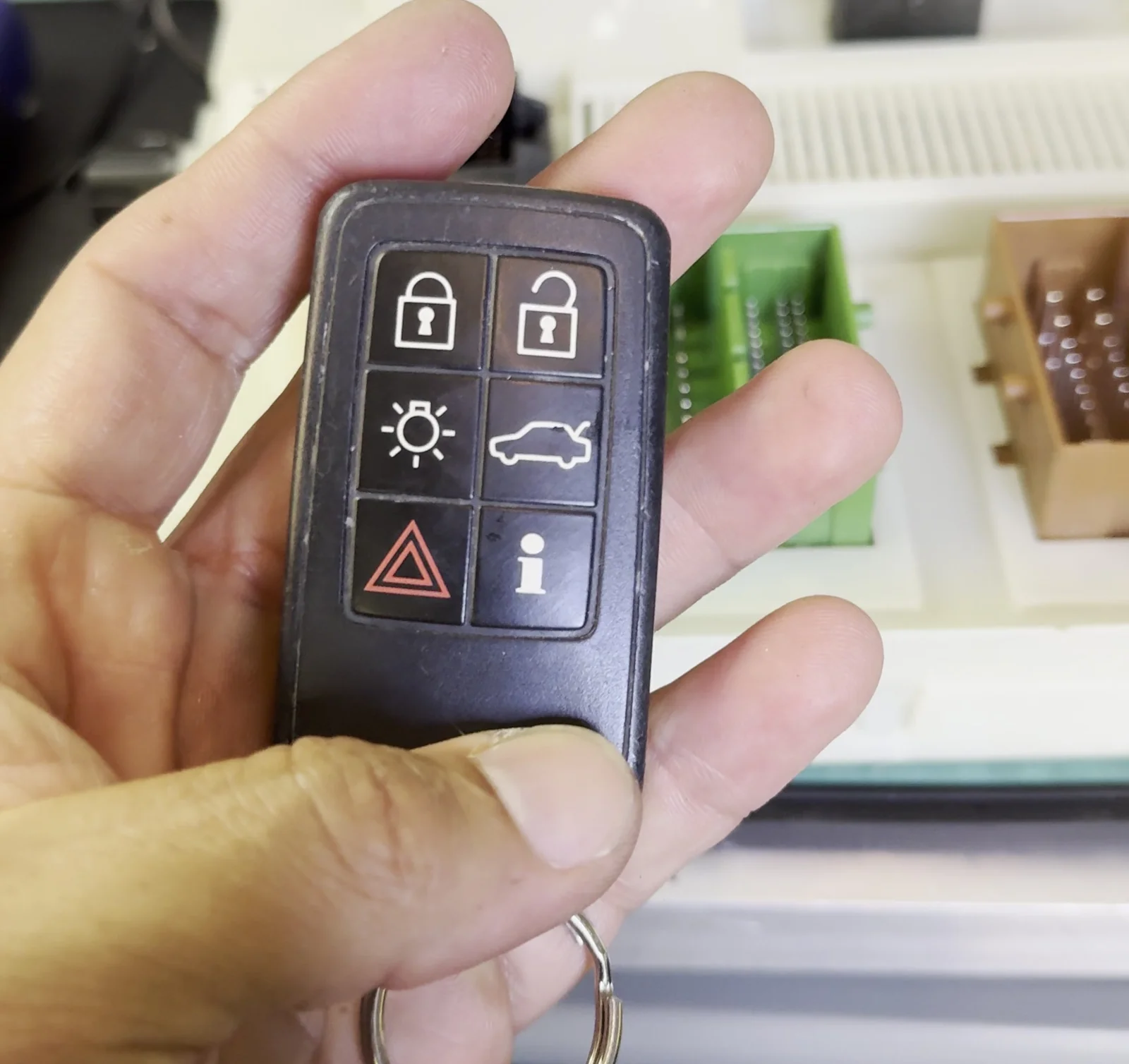
Remote unlocking and starting authorization are not the same function. Buttons that open the doors don’t prove the car recognizes the key for starting. Likewise, dead remote buttons do not by themselves prove the transponder has failed.
Follow the owner’s manual for “key not detected”
A weak fob battery can contribute to detection trouble on some vehicles. Use the specified battery and installation instructions if you can do so safely. Some push-button vehicles have a designated backup detection location; use only the procedure for your exact model.
For remote-button symptoms, see what to check when a key fob isn’t working. This post stays focused on what to observe during a failed start, not a full dead-fob starting tutorial.
Notice signs of low vehicle-battery power
Dim lights, clicking and a slow crank are worth reporting. The vehicle battery and the battery inside a remote fob are separate power sources. Replacing one is not a test of the other.
Ask for battery and connection testing when appropriate. Don’t disconnect the battery, pull random fuses, clear codes or follow an online “reset” sequence just to make the warning disappear. Those actions may erase useful information or create additional problems.
Tell Us What Changed Before the No-Start
A clear timeline helps more than guessing which part to buy. Did this start after a key was lost, a spare was added, the vehicle battery ran flat, water entered the vehicle or a control module was replaced? Was the same key starting the car normally earlier that day?
Give the year, make, model, your safe location and whether you have any working authorized key. Mention attempted repairs or resets so the technician knows what has changed. Ask what ownership or authorization documents are needed before the work; don’t send sensitive documents to a public comment thread.
Even after a battery change, don’t assume the key “forgot” the car. Power supply, connections, key recognition and communication faults need to be separated with proper testing.
What a Professional Checks Before Recommending Programming
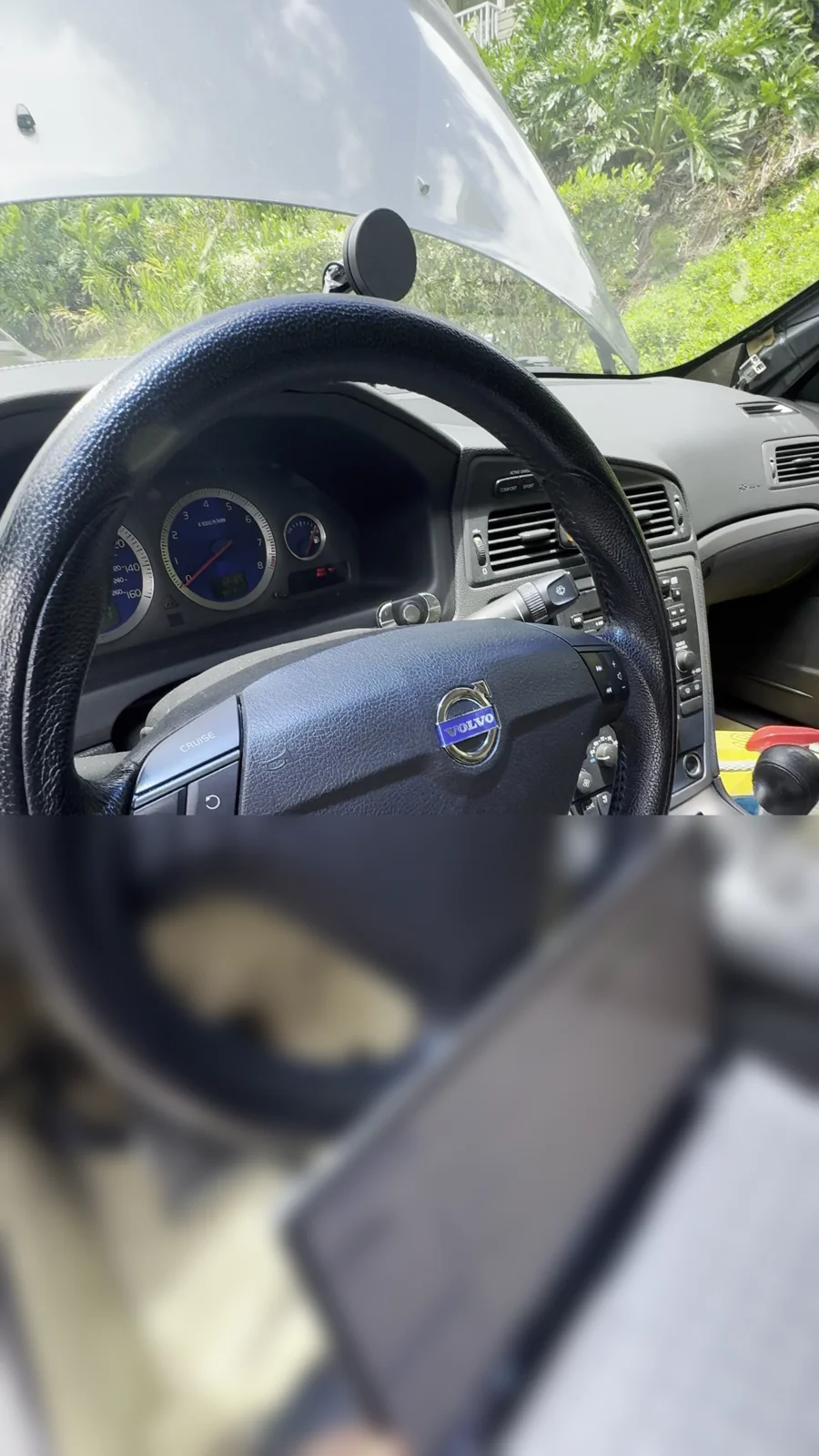
A technician may need to check battery condition, relevant fault codes, key recognition and communication between the security system and engine controls. The required tests vary by vehicle. A blinking light cannot identify which part failed or establish whether any programming is needed, so weigh it alongside other signs of a bad ECU rather than on its own.
If a key needs matching, our car key programming explainer describes that separate process. If the findings point toward an engine-control or module issue, discuss ECU programming and diagnostic options before authorizing a replacement.
Don’t buy a used ECU or attempt an immobilizer-delete procedure as a shortcut. A legitimate repair restores the vehicle’s intended operation and security. Some faults require a repair shop or additional electrical diagnosis rather than key work.
Mobile Help Without Guessing at the Fix
Whether you’re at home in Mililani or safely parked after a Kailua errand, start with the observations above. Double Quick Locksmith is family-owned, licensed and insured, and NASTF registered. Our mobile automotive locksmith service is available 24/7 across Oahu with fast response.
We’re fully mobile, not a storefront. Describe the vehicle and symptoms when you call so we can discuss whether the work is suitable for mobile service. We don’t promise that every no-start can be resolved on site or that programming is always the answer.
Related Posts
- Bad ECU Symptoms: Signs to Check Before Replacing a Computer
- Car Module Programming: ECU, Immobilizer and Module Services
Summary
- A security light blinking while parked can be normal; check your owner’s manual.
- Record what the indicator does during the failed start and whether the engine cranks.
- Compare an authorized spare if available, and use only model-approved basic checks.
- Share recent changes and dash messages instead of guessing at an ECU or immobilizer failure.
- Get the key, power supply and relevant electronics assessed before authorizing programming or replacement.
Call for a quote: (808) 758-4599